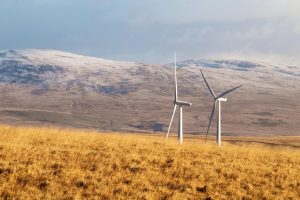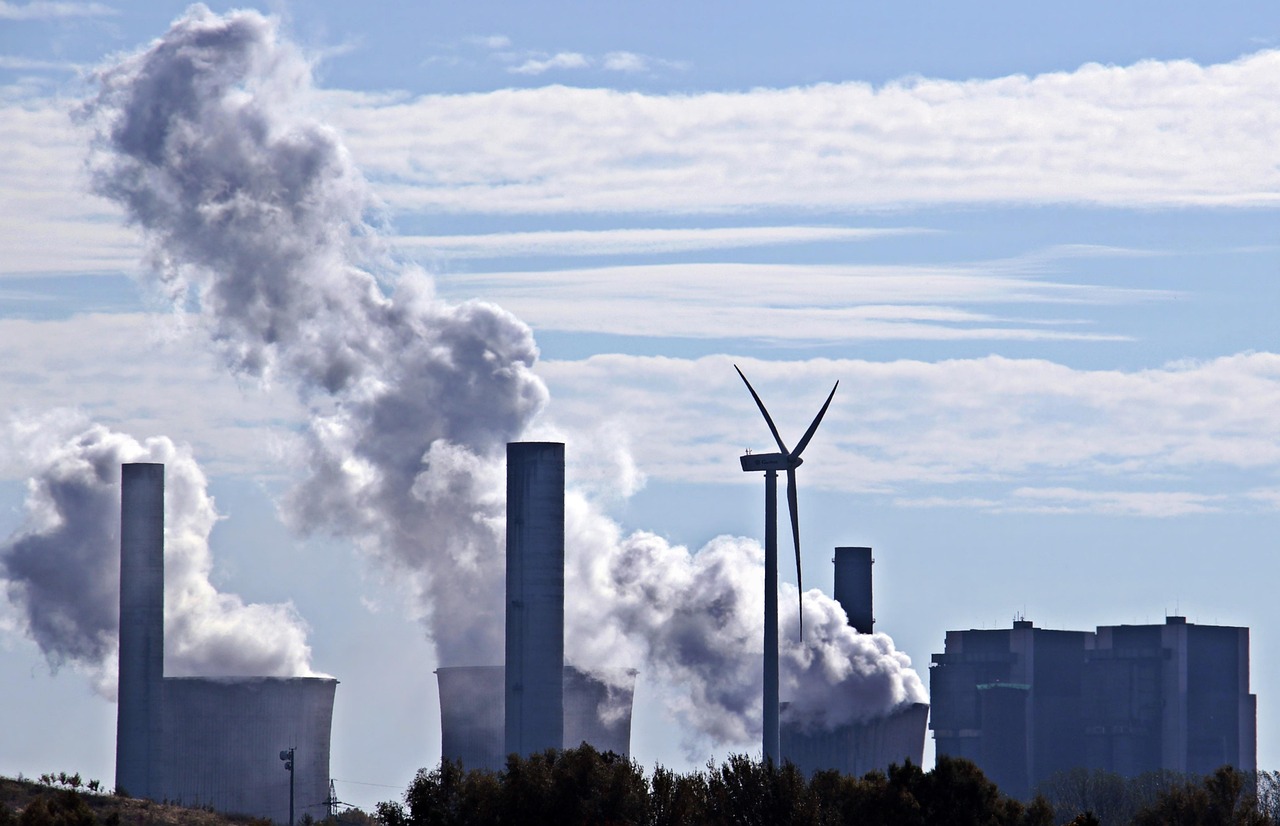
The global shift toward green power is no longer just an environmental goal; it is a fundamental economic strategy. As nations grapple with climate change, the European Union has positioned itself at the forefront of this green revolution. Shaping everything from industrial policy to daily European culture, the green transition is reshaping the continent.
The Driving Force Behind Europe’s Green Shift
Driven by ambitious targets and geopolitical shifts, Europe has accelerated its move away from fossil fuels. Strict Europe climate policy frameworks, such as the European Green Deal, mandate net-zero greenhouse gas emissions by 2050. These policies not only protect the environment but also stimulate innovation across the Europe economy, creating millions of green jobs.
Frontrunners in the Renewable Revolution
Several countries stand out as global pioneers in sustainable energy production, setting benchmarks for the rest of the world.
1. Norway: The Hydropower Heavyweight
Norway consistently ranks as a global leader in renewable energy. Nearly 98% of its domestic electricity generation comes from renewable sources, primarily hydropower.
- Key Advantage: Abundant natural rivers and fjords.
- Future Outlook: Heavy investments in electric vehicle (EV) infrastructure and wind power.
2. Denmark: The Wind Energy Pioneer
Denmark has mastered the art of harnessing coastal winds. It is the birthplace of modern wind turbine manufacturing and home to industry giants like Ørsted.
- Key Advantage: Strategic North Sea coastline and strong government backing.
- Future Outlook: Developing energy islands to power millions of homes across Europe.
3. Sweden: Innovation and Biomass
Sweden combines hydropower and wind with an extensive use of bioenergy derived from its vast forestry sector.
- Key Advantage: Comprehensive municipal heating networks powered by waste and biomass.
- Future Outlook: Aiming for 100% renewable electricity by 2040.
Tourism and Sustainability
For travelers exploring the continent, this transition is increasingly visible. From eco-friendly hotels in Scandinavia to zero-emission public transport in major capitals, sustainable Europe travel is becoming the norm rather than the exception. Visitors can experience firsthand how green initiatives integrate seamlessly into daily life.
Conclusion
Europe’s transition to renewable energy proves that ambitious climate policies and economic growth can go hand in hand. As nations like Norway, Denmark, and Sweden lead the charge, they provide a blueprint for a sustainable global future.