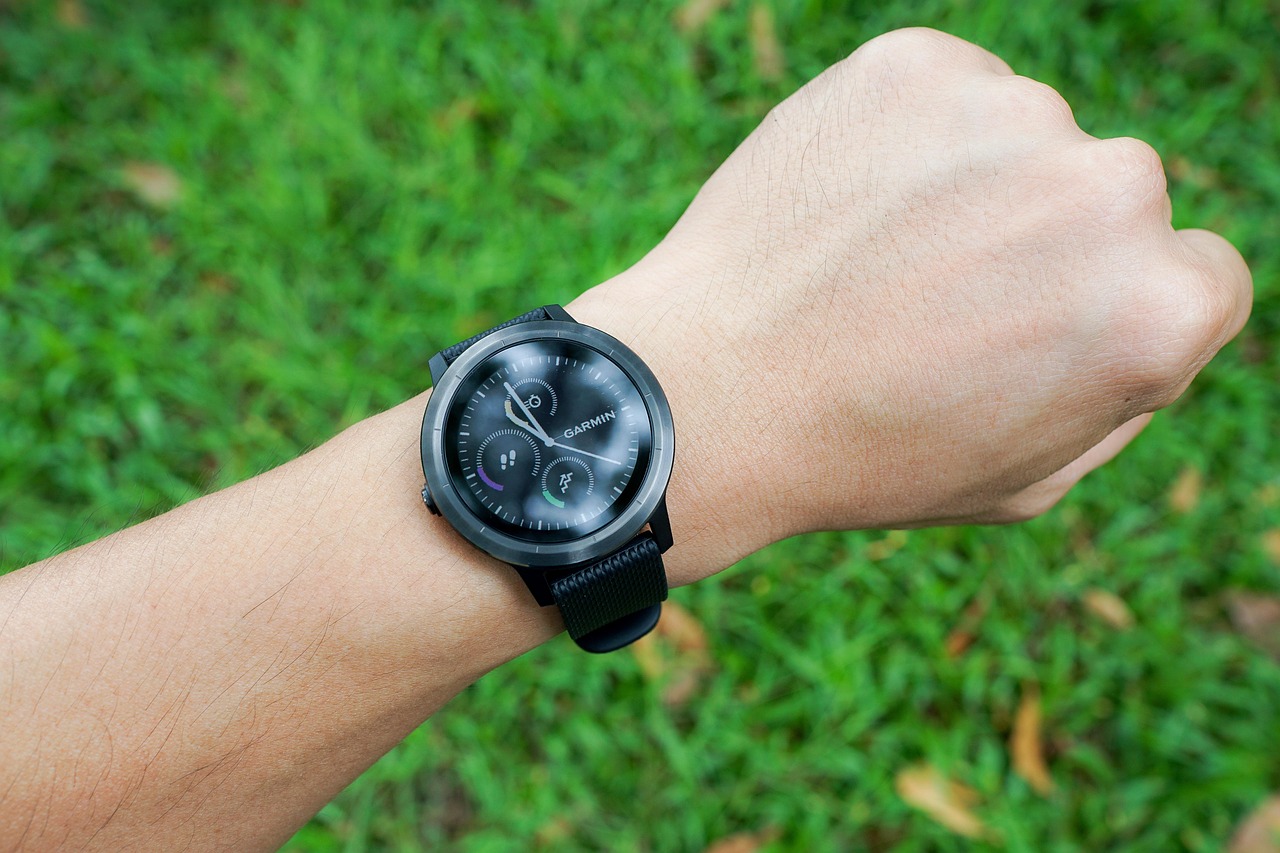
Remember when counting your daily steps felt like high-tech innovation? Not too long ago, clunky plastic bands dominated the wristwear market, serving as simple step-counters and basic sleep monitors. Today, the landscape of personal technology has shifted dramatically. As gadgets become smaller, smarter, and more integrated into our daily routines, the industry has graduated from wrist-bound fitness trackers to sleek, minimalist smart rings.
The Rise and Peak of the Fitness Tracker
The wearable revolution truly began with dedicated fitness bands. Devices popularized by brands like Fitbit introduced mainstream consumers to quantified self-tracking.
- Core Features: Step counting, calorie burning, and basic heart rate monitoring.
- User Adoption: Mass appeal driven by gamified fitness goals and affordable price points.
- Limitations: Limited functionality beyond health metrics and a heavy reliance on paired smartphones for data visualization.
While these devices successfully bridged the gap between traditional watches and tech accessories, users soon demanded more versatility. They wanted notifications, payment capabilities, and deeper health insights without wearing a bulky screen on their wrist.
The Smartphone Catalyst and Smartwatch Boom
As mobile technology advanced, fitness trackers evolved into full-fledged smartwatches. These new-age gadgets essentially miniaturized the computing power of smartphones onto our wrists.
Smartwatches transformed how we consume information by delivering text messages, phone calls, and navigation directly to our skin. However, despite their utility, smartwatches presented a new set of challenges:
- Screen Fatigue: Users grew tired of constant notifications interrupting their day.
- Battery Life: Power-hungry color displays often required daily charging.
- Aesthetics: Many consumers preferred traditional mechanical timepieces over digital screens for formal occasions.
Entering the Era of Smart Rings
To combat screen fatigue and cumbersome designs, manufacturers looked toward a more subtle form factor: the finger. Smart rings represent the latest frontier in wearable technology, stripping away distracting displays in favor of hyper-accurate biometric sensors.
Driven by emerging internet trends prioritizing digital detox and mindfulness, smart rings offer continuous health tracking without the cognitive load of a glowing screen.
Why Smart Rings Are Gaining Traction
- Superior Sleep Tracking: Without a bulky watch body getting caught in bedsheets, rings provide more comfortable, accurate overnight sleep analysis.
- Discreet Form Factor: They blend seamlessly with regular jewelry while housing advanced temperature sensors, optical heart rate monitors, and blood oxygen trackers.
- Extended Battery Life: Due to the absence of a display, many smart rings last up to a week on a single charge.
The Tech Behind the Transformation: AI and Security
Today’s wearables do more than just collect data; they interpret it. Modern artificial intelligence algorithms analyze your biometric baselines to predict potential illnesses, optimize workout recovery, and offer personalized health coaching.
However, this deep integration into our personal health brings significant cybersecurity concerns. Because wearables continuously harvest sensitive biometric data, manufacturers must prioritize robust end-to-end encryption to protect users from potential data breaches.
Conclusion
The journey from basic pedometers to sophisticated smart rings highlights our desire for technology that adapts to our lives, rather than disrupting them. As artificial intelligence continues to enhance health insights and cybersecurity measures safeguard our data, the future of wearables lies in invisibility. The best technology is the kind you forget you are wearing.