

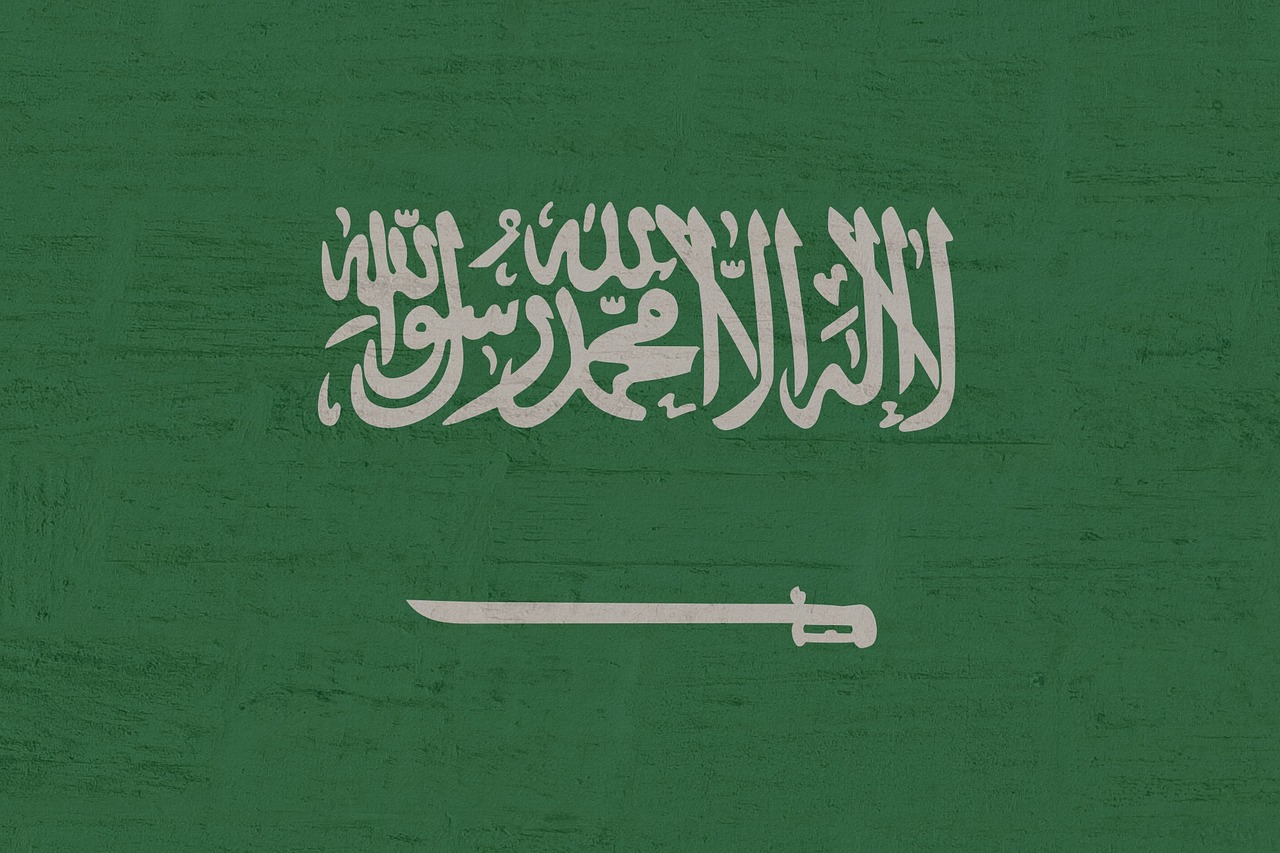
For decades, the global perception of Saudi Arabia was defined almost entirely by its vast oil reserves. Today, the Kingdom is undergoing one of the most ambitious economic transformations in modern history. At the heart of this shift is a massive push into the global travel market, transforming the nation into a premier international destination.
This tourism boom is not just about building luxury resorts; it is a vital catalyst for diversification across the broader Middle East economy. By opening its doors to the world, the Kingdom is reshaping its national identity and creating a sustainable economic model for future generations.
The Strategic Vision Behind the Growth
In 2016, the Saudi government launched a comprehensive blueprint to reduce the country’s reliance on petroleum. Saudi Arabia Vision 2030 serves as the guiding light for this monumental shift. The strategy targets a massive increase in the sector’s contribution to the national GDP, aiming to welcome 100 million visitors annually by the end of the decade.
This unprecedented growth positions the country as a leader in Gulf states development. By investing heavily in infrastructure, aviation, and hospitality, the government is building a robust ecosystem that rivals established tourism hubs in neighboring regions, including the thriving tourism and UAE business sectors.
Key Drivers of the Tourism Transformation
To achieve its lofty goals, the Kingdom has unlocked several unique facets of its geography and heritage:
- Mega-Projects: Iconic developments like NEOM, the Red Sea Project, and Qiddiya are redefining luxury, wellness, and entertainment tourism on a global scale.
- Cultural Heritage: UNESCO World Heritage sites, such as AlUla and the historic district of Jeddah, invite travelers to explore thousands of years of rich Middle East culture.
- Simplified Visas: The introduction of the e-visa system for dozens of countries has made entering the Kingdom faster and more accessible than ever before.
Economic Impact and Regional Collaboration
The ripple effects of this hospitality surge extend far beyond hotels and airlines. Small and medium-sized enterprises are flourishing, foreign direct investment is rising, and hundreds of thousands of jobs are being created for the local workforce.
Furthermore, the Kingdom’s rise as a tourism powerhouse benefits the entire region. Travelers often combine trips, visiting neighboring regional hubs while exploring the Kingdom. This collaborative momentum strengthens the economic fabric of the entire Arabian Peninsula.
Conclusion
The rapid ascent of Saudi Arabia as a global travel destination marks a historic turning point. By successfully executing its ambitious diversification strategy, the Kingdom is proving that oil-dependent nations can reinvent themselves into dynamic, service-driven economies. As these mega-projects near completion and international arrivals continue to climb, the future of the nation’s economy looks brighter and more diverse than ever.