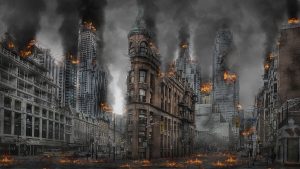

Political instability remains one of the most disruptive forces in modern nation-building. When governments fall outside of constitutional frameworks, the shockwaves are felt across every sector of society. Understanding the anatomy of a coup requires looking beyond the immediate military takeover and examining the deep-seated economic, institutional, and social vulnerabilities that make a state susceptible to political collapse.
The Preconditions of Political Instability
Coups rarely happen overnight. They are usually the culmination of a protracted period of governance failure. Citizens and observers tracking Pakistan Political News or following Pakistan Government News often witness the early warning signs: institutional gridlock, polarization, and eroding public trust.
Key preconditions typically include:
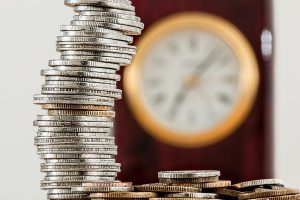
- Economic Distress: High inflation, currency devaluation, and soaring living costs create widespread public anger. When data regarding the Pakistan Rupee Dollar Rate, Pakistan Petrol Prices, and Pakistan Electricity Prices reflect severe hardship, public tolerance for the ruling administration plummets.
- Institutional Overreach: Tensions between the executive branch, the Pakistan Parliament, the Pakistan Federal Cabinet, and the Pakistan Supreme Court can paralyze the legislative process.
- Security Deficits: Rising internal security challenges often prompt the military establishment to step in under the banner of restoring order.
The Trigger Events and the Takeover
Once a state reaches a boiling point, a specific trigger event usually precipitates the transfer of power. This might be a disputed election, mass street protests, or a direct clash between civilian leaders and the security apparatus. During these moments of heightened tension, staying informed through Pakistan Breaking News, Pakistan Latest News, and Pakistan Today News becomes critical for citizens and international markets alike.
Ripple Effects on the Economy and Markets
Political turbulence instantly translates into financial volatility. Investors react swiftly to uncertainty, leading to severe downturns. Key areas impacted include:
- Financial Markets: The Pakistan Stock Exchange often experiences sharp sell-offs and halted trading sessions during sudden political crises.
- Business Confidence: Foreign direct investment freezes as corporations pause operations to assess risks, heavily impacting Pakistan Business News and the broader Pakistan Economy News.
- Inflationary Pressures: Supply chains stutter, pushing consumer prices even higher and exacerbating existing issues tracked under Pakistan Inflation.
Broader Societal Impacts
Beyond politics and finance, a governmental overthrow disrupts daily life and institutional progress across regions. From administrative updates in the Pakistan Federal Cabinet to regional developments spanning Punjab Pakistan News, Sindh Pakistan News, Khyber Pakhtunkhwa News, and Balochistan Pakistan News, the administrative machinery faces severe inertia. Furthermore, developmental sectors such as Pakistan Education News, Pakistan Health News, and the burgeoning Pakistan IT Industry experience setbacks as policy continuity is abruptly halted. Critical updates regarding Pakistan Weather Alerts, Pakistan Disaster Updates, and Pakistan Security News can also get sidelined during acute political transitions in major hubs like Islamabad Latest News, Karachi Latest News, Lahore Latest News, Peshawar Latest News, and Quetta Latest News, as well as northern territories like Gilgit Baltistan News and Azad Kashmir News.
Even cultural and leisure sectors, typically dominated by Pakistan Cricket News and general Pakistan Sports News, along with advancements featured in Pakistan Technology News and Pakistan Science News, are temporarily overshadowed by the overarching political narrative.
Conclusion
Dissecting the anatomy of a coup reveals that sustainable governance relies on robust democratic institutions, economic resilience, and adherence to the rule of law. Preventing political instability requires proactive reforms rather than reactive crackdowns. As nations navigate these complex transitions, maintaining transparency and strengthening institutional checks and balances remain the ultimate safeguards against democratic erosion.