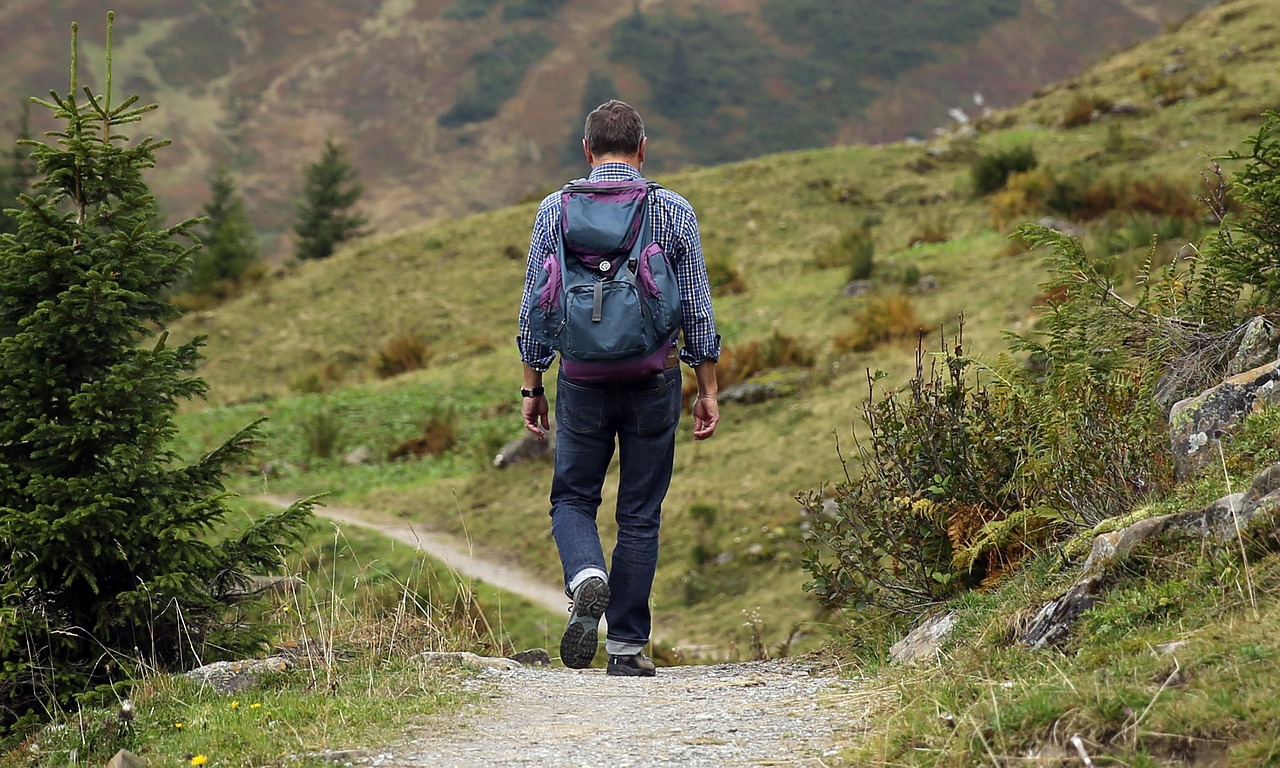
Pakistan is home to some of the most breathtaking and rugged mountain ranges in the world, including the Karakoram, the Himalayas, and the Hindu Kush. For adventure enthusiasts, trekking through these majestic landscapes offers an unmatched experience. Beyond the towering peaks, the growth in Pakistan tourism has opened up remote valleys, welcoming global travelers to explore untouched wilderness.
The Majestic Trails of Northern Pakistan
The country boasts more peaks above 7,000 meters than almost anywhere else on Earth. This geographical wonder has turned the region into a global hotspot for mountaineering and trekking.
K2 Base Camp Trek
Often referred to as the ultimate trek, the journey to the K2 Base Camp takes adventurers deep into the heart of the Karakoram Range.
- Duration: 14 to 18 days
- Difficulty: Strenuous
- Highlights: Concordia (known as the Throne Room of Mountain Gods) and panoramic views of K2, Broad Peak, and the Gasherbrums.
Nanga Parbat Rupal Face Trek
Nanga Parbat, the ninth-highest mountain in the world, features the highest rock face on Earth—the Rupal Face.
- Duration: 10 to 12 days
- Difficulty: Moderate to Strenuous
- Highlights: Lush green meadows of Fairy Meadows, breathtaking glacial views, and authentic hospitality from local communities.
Beyond the Giants: Gondogoro La and Snow Lake
For experienced mountaineers seeking extreme adventure, routes like the Gondogoro La pass and Snow Lake-Hispar Glacier traverse offer technical challenges and surreal landscapes.
The Broader Impact of Trekking and Adventure Travel
The surge in outdoor exploration does more than just satisfy the soul of the traveler; it acts as a catalyst for growth.
- Economic Uplift: Adventure tourism directly supports the Pakistan economy by creating jobs for local porters, mountain guides, and guesthouse owners in remote regions.
- Digital Integration: With recent advancements in Pakistan technology, online booking platforms, satellite internet connectivity in base camps, and digital marketing are making remote expeditions safer and more accessible.
- Cultural Exchange: Interacting with the resilient mountain communities provides a deep appreciation for Pakistan culture, known for its legendary warmth, generosity, and unique ethnic traditions.
- Knowledge Sharing: As international universities and researchers collaborate with local institutions in fields related to glaciology and environmental science, Pakistan education and research on climate change in high-altitude zones continue to advance.
Conclusion
Trekking in Pakistan is a transformative journey that combines physical challenge with spiritual rejuvenation. From the legendary K2 Base Camp to the serene meadows of Nanga Parbat, these trails offer a profound connection with nature. As infrastructure improves and tourism sustainable practices take root, Pakistan stands ready to welcome the world to its roof of the world.