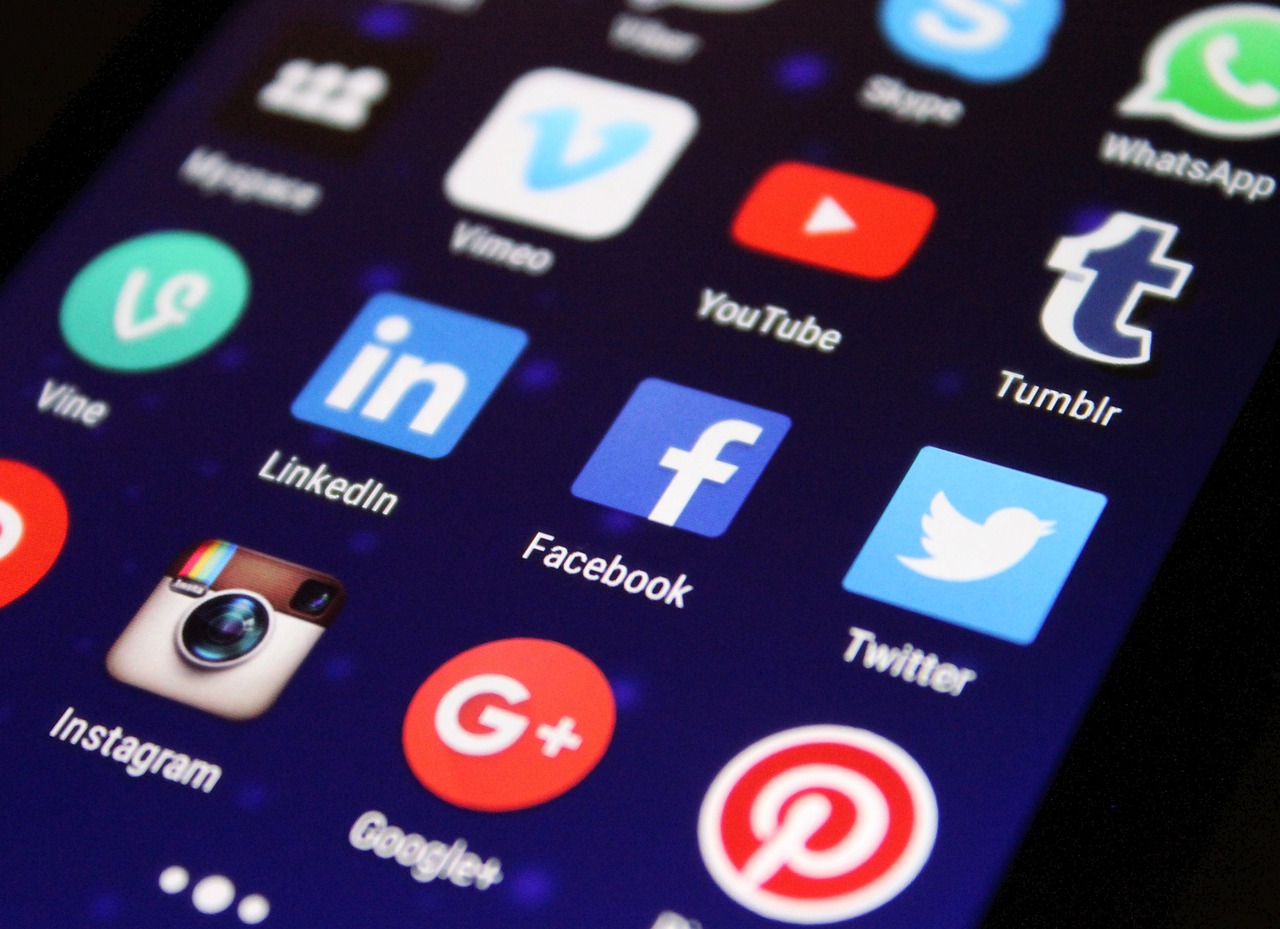
In the digital age, the barrier between fans and stars has practically vanished. Platforms like Instagram, TikTok, and X (formerly Twitter) have transformed celebrity culture, turning distant icons into seemingly accessible neighbors. Whether promoting blockbuster movies, dropping surprise albums in the music industry, or streaming live gameplay on Twitch, modern stars rely heavily on social media to maintain relevance.
However, this hyper-connected ecosystem comes with a complex mix of positive opportunities, toxic environments, and psychological pitfalls.
The Good: Direct Connection and Empowerment
Gone are the days when public perception was shaped solely by glossy magazines and publicists. Social media allows talent to take control of their own narratives.
- Authentic Engagement: Stars can share behind-the-scenes glimpses of film sets or recording studios, fostering genuine loyalty.
- Creative Independence: Independent creators and artists bypass traditional gatekeepers, building massive audiences directly.
- Social Impact: Famous figures can mobilize millions of followers for charitable causes and global movements instantly.
The Bad: The Pressure Cooker of Constant Visibility
While accessibility breeds adoration, it also invites intense scrutiny. The 2d-to-day pressure to perform online affects mental health profoundly.
- Burnout: The expectation to post constantly weighs heavily on actors, musicians, and digital creators alike.
- Loss of Privacy: The boundary between public personas and private lives has blurred completely.
- Algorithmic Fatigue: To stay relevant amid shifting streaming algorithms, talent often feels pressured to chase viral trends rather than focus on their core craft.
The Ugly: Toxicity, Cancel Culture, and Deepfakes
At its worst, the dark side of internet culture exposes the dangerous intersection of fame and anonymity.
- Cancel Culture: Minor mistakes or out-of-context clips can lead to coordinated digital mobs and immediate professional ruin.
- Toxic Fandoms: Overzealous fanbases—often seen in pop music and competitive gaming—frequently harass rivals or critics online.
- Misinformation: The rise of deepfakes and AI-generated content poses serious reputation risks for public figures.
Conclusion
Social media has permanently rewritten the rules of fame. While it offers unprecedented opportunities for connection and career growth, the psychological and social costs are steep. Ultimately, navigating this landscape requires a delicate balance between public engagement and digital boundaries.