

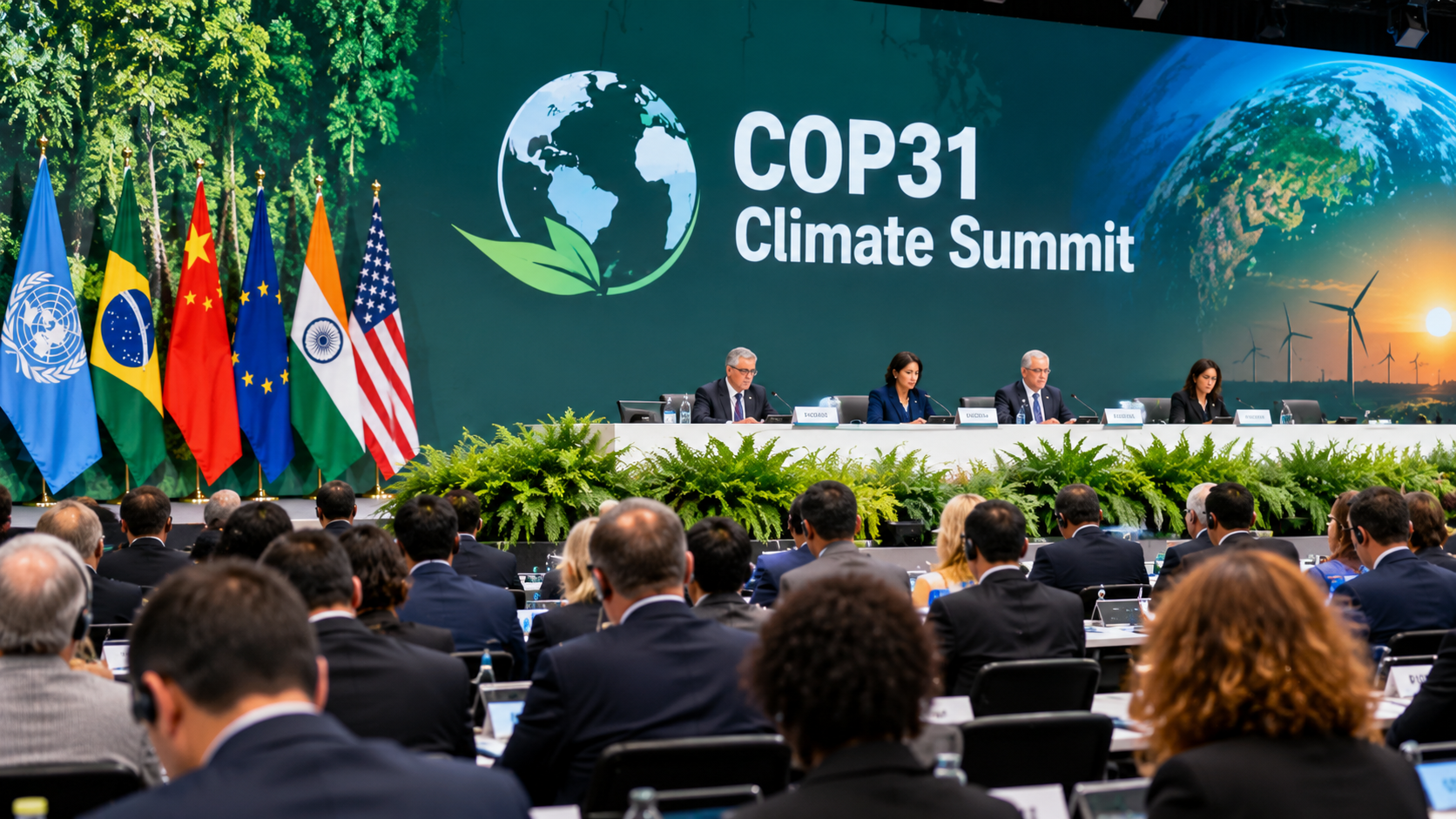
As climate change continues to threaten economies, ecosystems, and vulnerable communities, international cooperation has become increasingly important. However, the COP31 climate summit in Antalya, Türkiye, concluded without an overarching agreement, exposing significant differences between countries over the future of fossil fuels.
Although progress was achieved in several areas, governments were unable to agree on a comprehensive final decision.
Understanding the Global Climate Crisis
Climate change is no longer a distant environmental concern. Rising temperatures, unpredictable rainfall, flooding, and prolonged droughts are increasingly affecting agriculture, infrastructure, public health, and global economic stability.
Developing countries often face greater challenges because of limited financial resources and infrastructure.
Key Issues Behind the COP31 Disagreement
1. The Future of Fossil Fuels
One of the most controversial issues was the transition away from coal, oil, and natural gas.
While several countries support accelerated renewable energy adoption, fossil fuel-dependent economies remain concerned about employment, energy security, and national revenues.
2. Climate Finance
Developing nations require substantial financial resources to strengthen infrastructure, improve disaster preparedness, and invest in sustainable technologies.
The availability and accessibility of climate finance remain important concerns for countries such as Pakistan.
3. Renewable Energy Transformation
Solar energy, wind power, battery storage, and energy-efficient technologies offer opportunities to reduce dependence on fossil fuels.
However, transitioning to cleaner energy systems requires investment, infrastructure, and long-term policy support.
What COP31 Means for Pakistan
Pakistan faces significant exposure to flooding, extreme temperatures, water scarcity, and agricultural disruptions.
Investments in climate-resilient agriculture, flood protection, renewable energy, and early-warning systems could help reduce future economic losses.
Challenges and the Road Ahead
The international community must balance environmental priorities with economic development and energy security.
Attention now turns toward future climate negotiations and the practical implementation of existing commitments.
Conclusion
The COP31 outcome highlights the complexity of international climate cooperation. While disagreements remain, governments, businesses, and communities must continue investing in sustainable development and environmental resilience.
Key Takeaways:
- COP31 ended without an overarching climate agreement.
- Fossil fuel policies remain a major source of disagreement.
- Climate finance is particularly important for developing countries.
- Pakistan must continue strengthening climate resilience.