

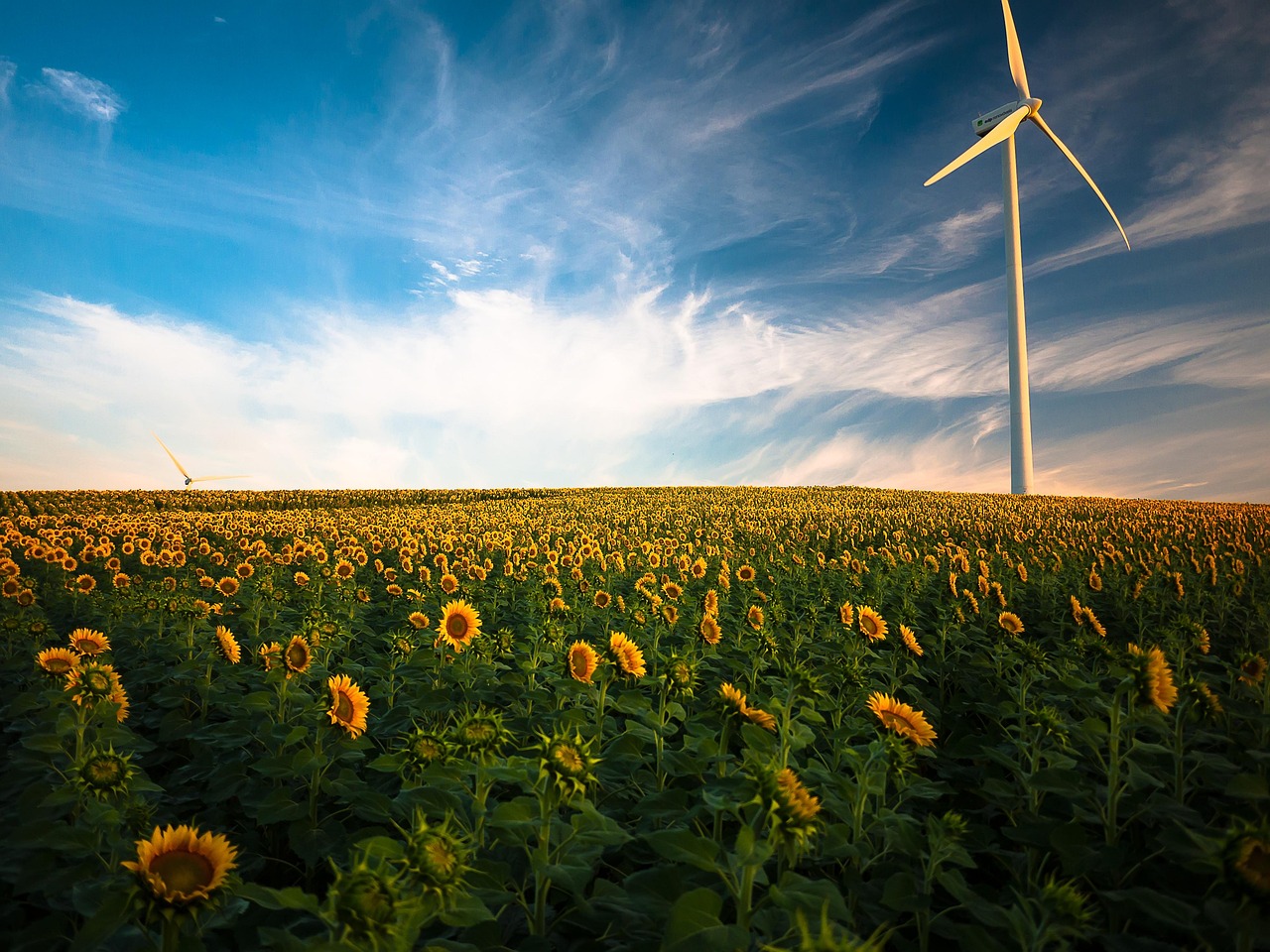
The continent that once pioneered the Industrial Revolution is now leading a radically different kind of transformation. Today, sweeping legislative frameworks are reshaping everything from heavy industry to how citizens experience Europe culture and daily life. At the heart of this metamorphosis is a comprehensive roadmap aimed at making the continent climate-neutral by 2050.
The Catalyst for Change: Understanding Europe’s Climate Policy
The European Union has set unprecedented benchmarks for environmental governance. Through ambitious regulatory packages like ‘Fit for 55,’ the bloc has committed to cutting net greenhouse gas emissions by at least 55% by 2030 compared to 1990 levels.
This framework does more than just set emissions targets; it fundamentally alters market incentives. Key mechanisms include:
- The Emissions Trading System (ETS): Putting a sharper financial price on carbon emissions to force heavy polluters toward cleaner alternatives.
- The Carbon Border Adjustment Mechanism (CBAM): Levying a fair price on carbon for high-carbon goods entering the bloc, protecting local industries from unfair competition.
- Renewable Energy Directives: Raising binding targets for renewable energy sources across all member states.
Economic Impact on the Europe Economy
Critics once argued that aggressive environmental regulations would stifle economic growth. However, recent data suggests the opposite. The green transition has become a primary engine for modernizing the Europe economy, attracting billions in private and public investments.
Job Creation and Innovation
- Clean Tech Sectors: Millions of new jobs have emerged in solar manufacturing, wind turbine installation, and smart-grid development.
- Energy Security: The push to localize power generation has accelerated rapidly, reducing reliance on volatile fossil fuel imports.
- Infrastructure Upgrades: Massive capital is flowing into modernizing cross-border energy grids to handle decentralized power supplies.
Redefining Travel and Daily Life
This grand strategy extends far beyond corporate boardrooms and wind farms. It is visibly altering how people move across the continent. Modern infrastructure projects funded by these initiatives are making Europe travel greener and more efficient, from electrified high-speed rail networks replacing short-haul flights to expanding electric vehicle charging corridors in historic cities.
Citizens are also adapting. Energy-efficient housing renovations are lowering utility bills, while urban centers are pedestrianizing historical districts to improve air quality and preserve cultural heritage for future generations.
Conclusion
Europe’s ambitious legislative agenda proves that rigorous environmental action and economic vitality can coexist. By modernizing its industrial base, securing energy independence, and integrating sustainability into everyday life, the region is setting a global benchmark. The ongoing shift in renewable energy markets is not merely a policy adjustment—it is a complete economic and cultural rebirth.