Pakistan has quietly emerged as a powerhouse in the global gig economy. Ranked among the top freelancing nations worldwide by platforms like Payoneer and Fiverr, the country is transforming its economic landscape through digital labor.
The Rise of the Gig Economy in Pakistan
In recent years, the Pakistan economy has faced macroeconomic hurdles, including inflation and currency devaluation. Amid these challenges, freelancing has provided a lucrative lifeline for the country’s youth. Young professionals are bypassing traditional 9-to-5 jobs to earn in foreign currencies, significantly boosting their household incomes and contributing to national remittances.
The shift toward remote work is not accidental. It is the result of targeted investments in Pakistan technology, including high-speed broadband expansion, the rollout of 4G and 5G networks, and the establishment of software technology parks across major cities.
Catalysts for Success: Education and Infrastructure
The Role of Higher Education
Massive advancements in Pakistan education have fueled this digital revolution. Universities and vocational institutes now offer specialized courses in computer science, graphic design, digital marketing, and software engineering.
Additionally, government-led and private bootcamps have trained hundreds of thousands of individuals in marketable digital skills. Programs like the National Freelancing Training Program (NFTP) have played a pivotal role in equipping graduates with the business acumen needed to succeed on platforms like Upwork, Fiverr, and Toptal.
Cultural Shift Toward Entrepreneurship
Traditional career paths in medicine, engineering, and civil service are no longer the only markers of success. Modern Pakistan culture has warmly embraced entrepreneurship and self-employment. Families increasingly support remote work, viewing digital freelancing as a prestigious and financially rewarding career path.
Beyond the Screen: Work-Life Balance and Tourism
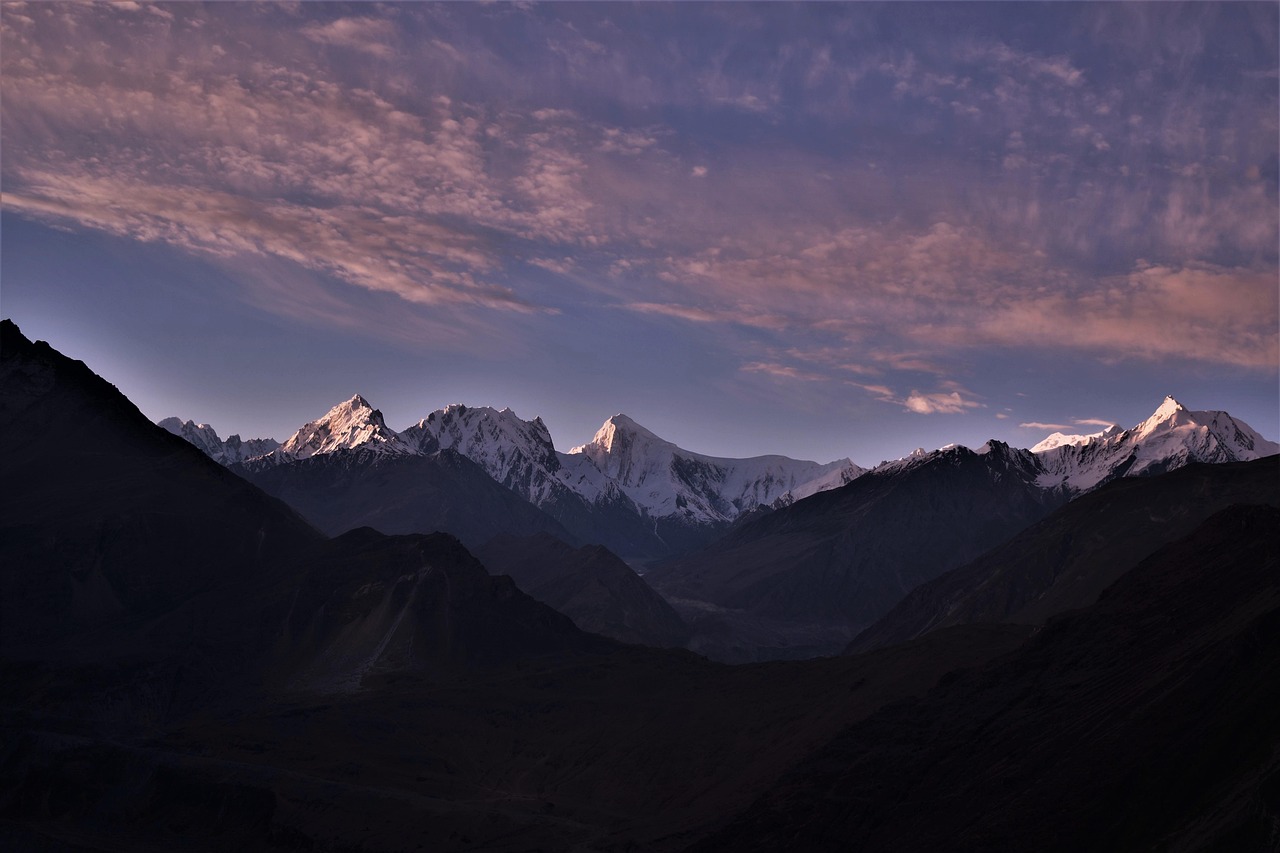
While Pakistani freelancers spend hours coding, writing, and designing behind their screens, many enjoy a lifestyle enriched by the country’s diverse landscapes. The growth of digital nomad hubs in scenic northern regions has even blended remote work with Pakistan tourism, allowing developers and creators to work against the backdrop of the Himalayas and Karakoram ranges.
Key Challenges and the Road Ahead
Despite rapid growth, Pakistani freelancers face hurdles:
- Unstable internet connectivity in rural areas
- Complex tax and international payment regulations
- Limited access to global venture capital
However, ongoing regulatory reforms and improvements in payment gateways are steadily easing these friction points.
Conclusion
Pakistan’s rise as a global freelancing hub is a testament to its resilient youth, improving digital infrastructure, and adaptable workforce. As the global demand for remote talent surges, Pakistan is well-positioned to remain at the forefront of the future of work.