
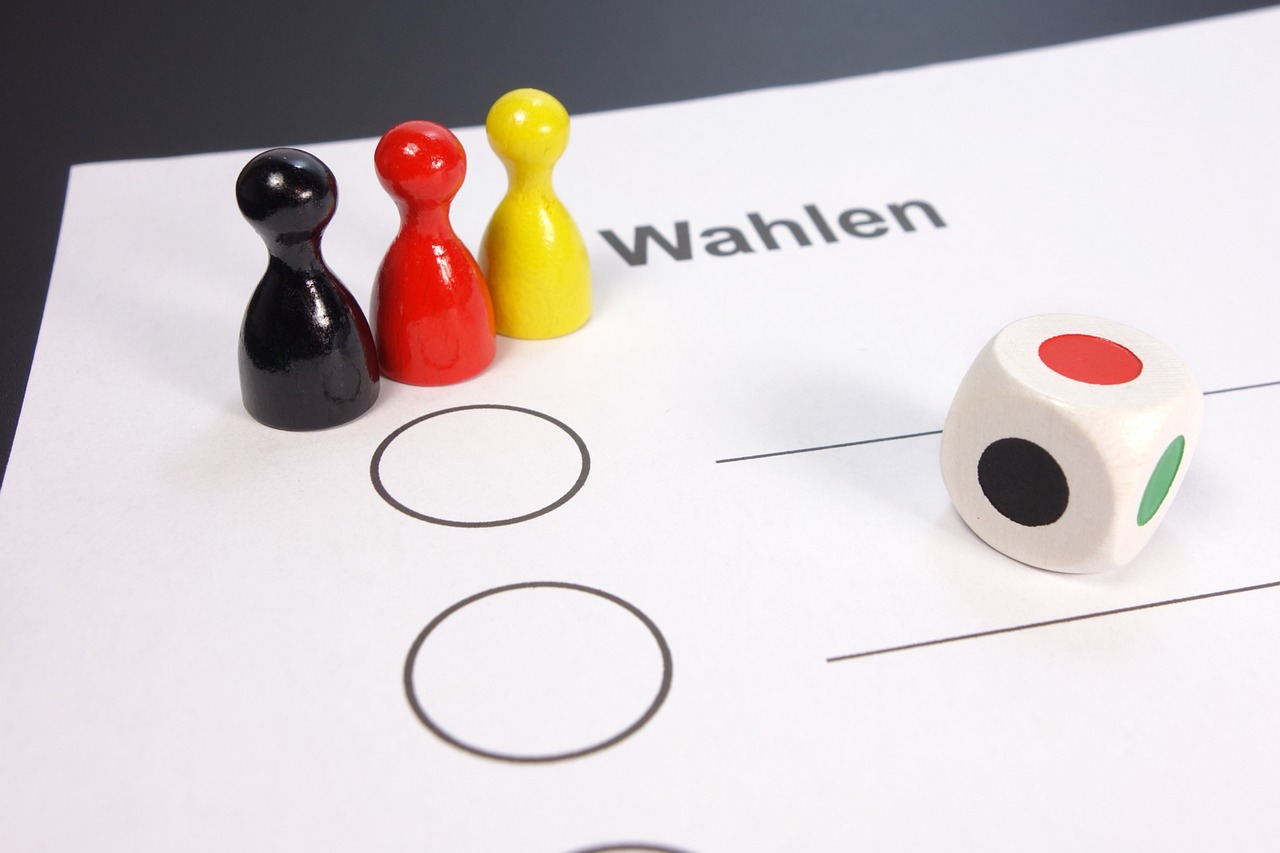
Democracy is experiencing a pivotal moment in history. As nations across the globe head to the polls, the outcomes of these elections do far more than just change local leadership—they ripple across international borders, influencing global economies, security frameworks, and geopolitical alliances.
The Ripple Effect of Global Elections
When major countries hold elections, the impact is immediately felt worldwide. From shifts in foreign policy to international trade agreements, domestic votes now carry global weight. Citizens and analysts closely monitor these events to anticipate future trends in governance, human rights, and economic stability.
Regional Stability and Governance
In developing democracies and emerging economies, electoral outcomes often dictate the pace of institutional reforms. For instance, staying informed through Pakistan Breaking News and Pakistan Latest News highlights how domestic political transitions directly influence regional stability in South Asia. Keeping an eye on Pakistan Today News and Pakistan National News provides vital context on how legislative shifts impact local governance.
Economic Implications of Political Shifts
Elections are ultimate tests of economic confidence. Voters frequently cast ballots based on the cost of living, job creation, and fiscal management. Consequently, financial markets react swiftly to electoral results.
- Market Reactions: Investors closely track Pakistan Top Headlines, Pakistan Government News, and Pakistan Political News to gauge policy continuity.
- Fiscal Indicators: Updates regarding the Pakistan Economy News, Pakistan Business News, and the performance of the Pakistan Stock Exchange often fluctuate in response to political developments.
- Cost of Living: Daily concerns such as the Pakistan Rupee Dollar Rate, Pakistan Petrol Prices, Pakistan Electricity Prices, and soaring Pakistan Inflation remain central debate topics during campaign seasons.
Key Institutions Under the Spotlight
Democratic resilience relies heavily on the separation of powers. During and after election cycles, judicial and legislative bodies play crucial roles in upholding the constitution.
- The Judiciary: Decisions by entities like the Pakistan Supreme Court often set legal precedents for electoral integrity.
- The Legislature: The dynamics within the Pakistan Parliament and the formation of the Pakistan Federal Cabinet determine the legislative agenda and policy execution.
Infrastructure, Society, and Public Welfare
Beyond politics and economics, elections shape public services and societal development. Citizens increasingly demand better infrastructure, education, and healthcare systems.
- Public Services: Critical sectors such as Pakistan Education News and Pakistan Health News reflect how government priorities shift post-election.
- Emergency Preparedness: Timely dissemination of Pakistan Weather Alerts and Pakistan Disaster Updates underscores the importance of efficient governance in crisis management.
- National Security: Maintaining public safety, as reported in Pakistan Security News, remains a top priority for any elected administration.
Culture, Sports, and Regional Updates
A thriving democracy fosters engagement across all facets of society, from cultural milestones to athletic achievements like those featured in Pakistan Cricket News and Pakistan Sports News. Furthermore, regional developments across Punjab Pakistan News, Sindh Pakistan News, Khyber Pakhtunkhwa News, and Balochistan Pakistan News—alongside updates from Islamabad Latest News, Karachi Latest News, Lahore Latest News, Peshawar Latest News, Quetta Latest News, Gilgit Baltistan News, and Azad Kashmir News—illustrate the diverse fabric of the nation.
Conclusion
Global elections are the heartbeat of modern democracy. They challenge institutions, shape economic landscapes, and redefine international relations. As voters continue to demand transparency, accountability, and progress, the future of democracy will depend on the active participation of an informed citizenry ready to safeguard democratic values.
Key Takeaways
- Elections have far-reaching global and domestic economic consequences.
- Independent judiciaries and parliaments are essential for maintaining democratic checks and balances.
- Public welfare, security, and economic stability remain central to voter decisions worldwide.