Introduction
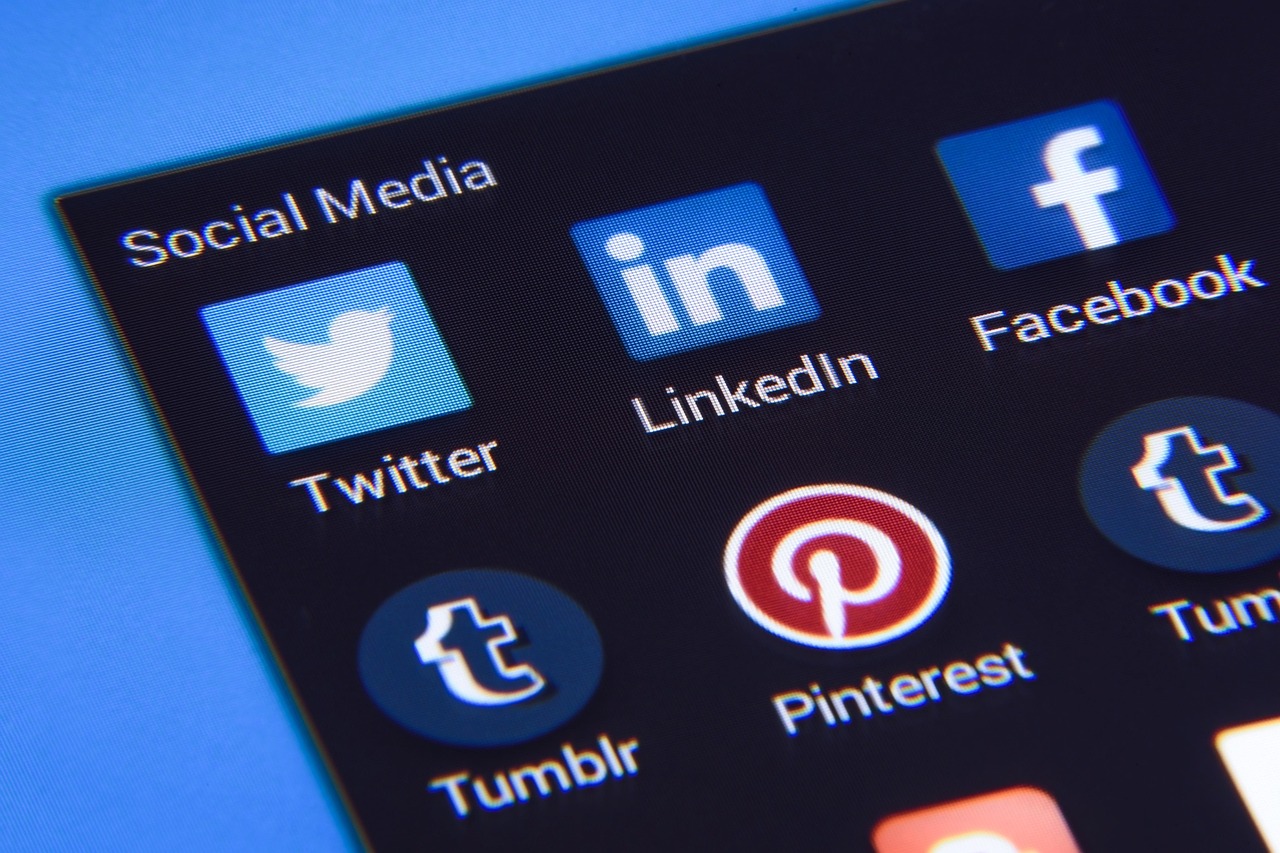
Social media has fundamentally transformed how political campaigns are conducted across the globe. Gone are the days when candidates relied solely on television broadcasts, radio spots, and physical rallies to reach voters. Today, platforms like X (formerly Twitter), Facebook, TikTok, and Instagram serve as the primary battlegrounds for political influence. From shaping public discourse to mobilizing grassroots movements, digital platforms dictate the tempo of modern elections.
The Shift from Traditional Media to Digital Platforms
Traditional media once held a monopoly on political advertising and news dissemination. However, the rise of user-generated content and algorithmic feeds has decentralized information flow.
- Direct Access: Politicians can now communicate directly with constituents without journalistic filtering.
- Speed of Information: Breaking updates reach millions of users within seconds.
- Cost-Effective Outreach: Digital campaigns allow localized targeting on modest budgets compared to expensive television slots.
Data-Driven Targeting and Voter Engagement
Modern political campaigns utilize sophisticated data analytics to tailor messages to specific demographic groups. By analyzing user behavior, preferences, and online interactions, parties can deploy micro-targeted advertisements that address localized concerns.
Whether it is addressing economic policies, employment rates, or regional development, candidates use tailored content to resonate with undecided voters. This high level of personalization significantly boosts engagement and voter turnout.
Challenges and the Spread of Misinformation
Despite the advantages, the digital landscape poses severe challenges to democratic processes. The rapid spread of fake news, deepfakes, and coordinated disinformation campaigns can mislead voters and polarize societies.
- Algorithmic Bias: Echo chambers reinforce existing political beliefs, reducing constructive debate.
- Bot Networks: Artificial amplification of narratives distorts public opinion.
- Regulation Hurdles: Governments and tech companies struggle to moderate content without infringing on free speech.
Conclusion
Social media is a double-edged sword in modern politics. While it democratizes access and fosters unprecedented voter engagement, it also introduces significant risks regarding misinformation and polarization. As digital platforms continue to evolve, the future of election integrity will depend on transparency, digital literacy, and responsible content moderation.