
For decades, the mention of the Gulf Cooperation Council (GCC) instantly conjured images of oil rigs, petroleum, and vast energy reserves. However, a massive economic transformation is currently underway. The Middle East economy is experiencing a profound shift as regional powerhouses actively reduce their reliance on hydrocarbons and embrace a diversified future.
This evolution is not merely a pivot in fiscal policy; it represents a fundamental reimagining of national identities, infrastructure, and commerce.
The Catalysts for Economic Transformation
Global energy transitions, fluctuating oil prices, and the need to create sustainable employment for a young, tech-savvy population have driven Gulf nations to rethink their growth models. Governments are aggressively investing in sectors like tourism, renewable energy, technology, and manufacturing.
Key drivers of this modern Gulf states development include:
- Massive investments in artificial intelligence and digital infrastructure
- Regulatory reforms to attract foreign direct investment (FDI)
- Upgrades to transportation, logistics, and smart cities
- Initiatives to empower local workforces through advanced education and training
Saudi Arabia Vision 2030: A Blueprint for the Future
At the forefront of this movement is Saudi Arabia Vision 2030, an ambitious strategic framework designed to unlock the kingdom’s economic potential. Mega-projects like NEOM, the Red Sea tourism development, and the expansion of Riyadh into a major global financial hub are tangible proofs of this vision in motion.
By modernizing laws and opening up entertainment and tourism sectors, the kingdom is successfully attracting millions of international visitors and global corporations, fundamentally reshaping perceptions and Middle East culture on the global stage.
The UAE: A Beacon for Global Enterprise
Meanwhile, the United Arab Emirates continues to serve as a pioneer in economic diversification. Favorable tax policies, 100% foreign ownership laws, and world-class infrastructure have made UAE business ecosystems among the most competitive in the world.
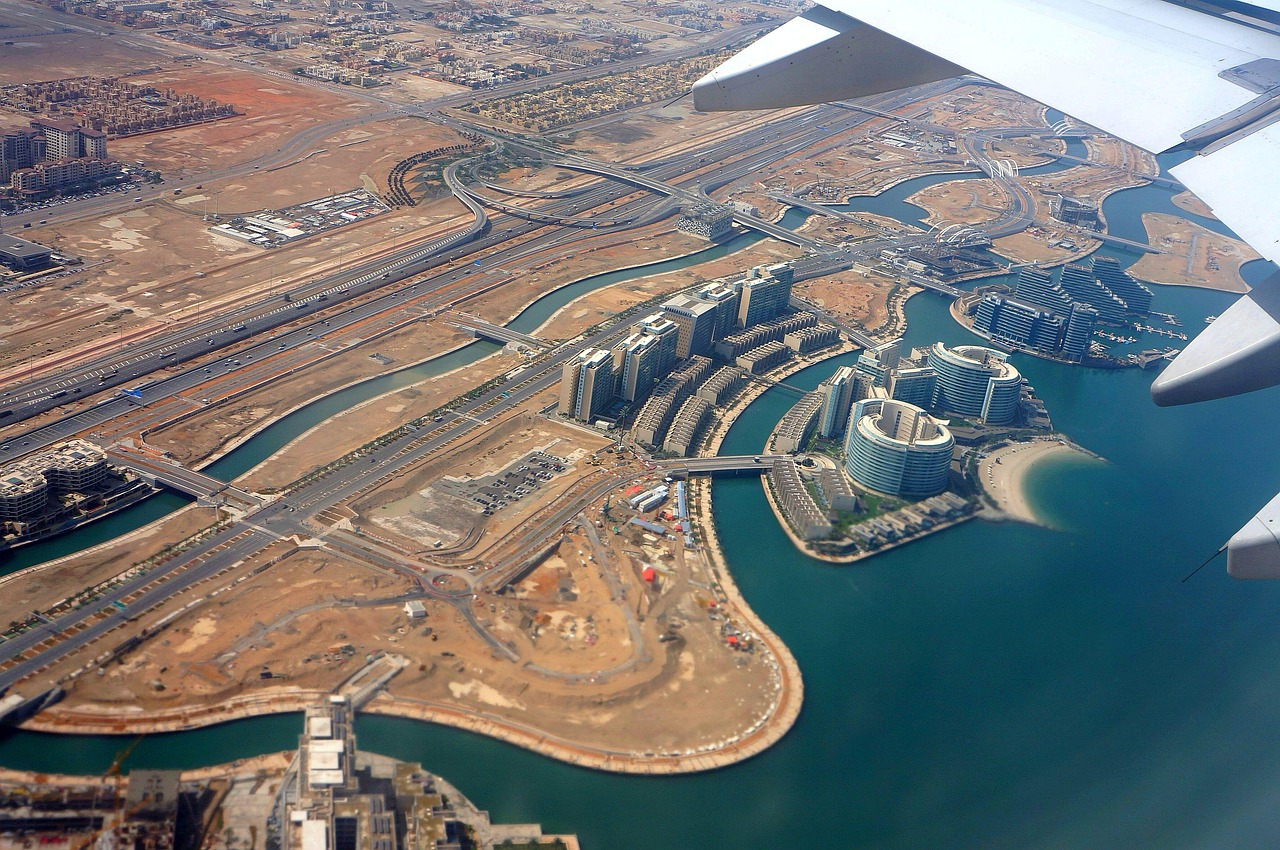
From Dubai’s thriving fintech and logistics sectors to Abu Dhabi’s heavy investments in clean energy and space exploration, the UAE demonstrates how proactive governance can create a resilient, innovation-driven market.
Challenges and the Road Ahead
While the progress is undeniable, transitioning away from a decades-old economic model comes with hurdles. Integrating millions of young nationals into the private sector, streamlining bureaucracy further, and competing on a global stage against established innovation hubs require sustained effort.
However, the sheer speed of modernization and the political commitment behind these initiatives signal a permanent change in the region’s economic DNA.
Conclusion
The rise of the non-oil economy marks a historic turning point for the Gulf states. By fostering innovation, welcoming global talent, and embracing sustainable growth, these nations are future-proofing their economies. For investors, entrepreneurs, and global observers, the message is clear: the Gulf is no longer just about oil—it is a burgeoning epicenter of modern global commerce.