
150+ Countries That Officially Recognize Palestine In 2025
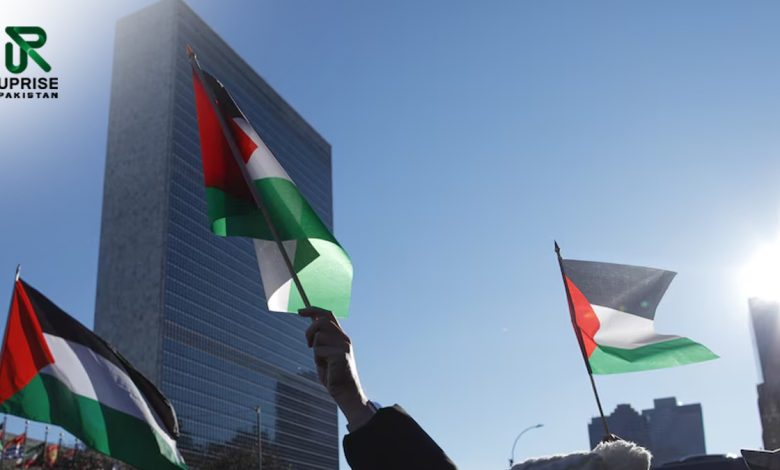
The question of Palestine’s recognition has shaped global politics for decades, but 2025 marks a turning point. There are now 157 countries that accept Palestine as a separate country, more than 80% of the UN. From Europe to Asia, Africa to Latin America, governments are making their positions clear. This global acknowledgment carries weight beyond politics—it affects trade, security, and the daily lives of millions.
The question “why now?” is being asked all over the world. The honor comes at a very bad time, as fighting is still going on in Gaza. A lot of countries want peace. Some people wish for fairness. They send a strong message, though, that Palestinians deserve their own state.
The 157 Countries That Recognize Palestine
Today, 157 out of 193 UN member states officially recognize the State of Palestine, including many countries from every continent. This growing support represents 81% of the international community.
New recognitions in 2025:
- United Kingdom
- France
- Luxembourg
- Malta
- Belgium
- Monaco
- Andorra
- Canada
- Australia
- Portugal
- Mexico
These recognitions reflect a major shift, especially from Western nations that once avoided taking sides. Together, these countries send a loud, unified message: It’s time for change.
| Region | Number of Countries |
| Africa | 50+ |
| Asia | 30+ |
| Europe | 30+ |
| Latin America | 20+ |
| Middle East | 15+ |
| Oceania | 5+ |
| North America | 3 (incl. Canada) |
What Recognition Means
Giving the Palestinian people a voice on the world stage means recognizing Palestine. In this case, it means letting missions open and diplomatic ties grow. Palestine can now trade, bargain, and speak in front of the whole world.
Recognition allows Palestine to:
- Open embassies and consulates
- Build trade relationships
- Join international organizations
- Speak in global meetings like the UN
- Hold Israeli authorities more accountable
But recognition does not automatically:
- End the occupation
- Stop violence in Gaza
- Lead to full UN membership
This step is symbolic, but powerful. It doesn’t fix everything—but it builds pressure for peace.
A Quick History of Palestine’s Recognition
The journey didn’t start in 2025. It goes back decades. In 1988, the Palestinian leader Yasser Arafat declared statehood. Back then, Palestine was recognized by more than 80 countries, most of them from the Global South.
In 2012, the UN raised Palestine to the level of a non-member observer state. For Palestine, this meant they could go to meetings but not vote on decisions. While this was a big deal, it wasn’t full Recognition. Now, in 2025, Recognition from major Western countries marks a big change in direction. The world is paying attention again—and taking action.
Why Countries Are Recognizing Palestine Now
There’s a reason this is happening in 2025. Since October 2023, the war in Gaza has shocked the world. Over 65,000 Palestinians have died by Israel. Homes, schools, and hospitals have been destroyed. In response, many countries say: Enough is enough. According to UK Prime Minister Keir Starmer, “We are acting to keep alive the possibility of peace and of a two-state solution.”
So, while war rages, diplomacy is rising. Recognition is one peaceful way for nations to show support.
What Does This Mean For The Future Of Palestine?
Being recognized opens doors, but it also brings up new questions.
Opportunities:
- More diplomatic support
- Stronger push for UN membership
- Boosted international aid
- Greater legal power at the International Criminal Court
🔴 Challenges:
- Continued conflict on the ground
- Divided Palestinian leadership
- U.S. veto power at the UN
- No control over borders or airspace
So, while Recognition is a win, the road to full statehood is long. More action is still needed.
A World Standing for Palestine
Palestine’s people have been waiting for decades for their own country. Now that 157 countries are behind them, the dream seems more real than ever.
Recognition alone won’t bring peace. But it brings hope—and that matters. In a world full of conflict, hope is powerful.
As one diplomat put it:
“This is the entry point, not the endpoint.”
Let’s see what happens next.


