
Is America About To Attack Iran? What We Know
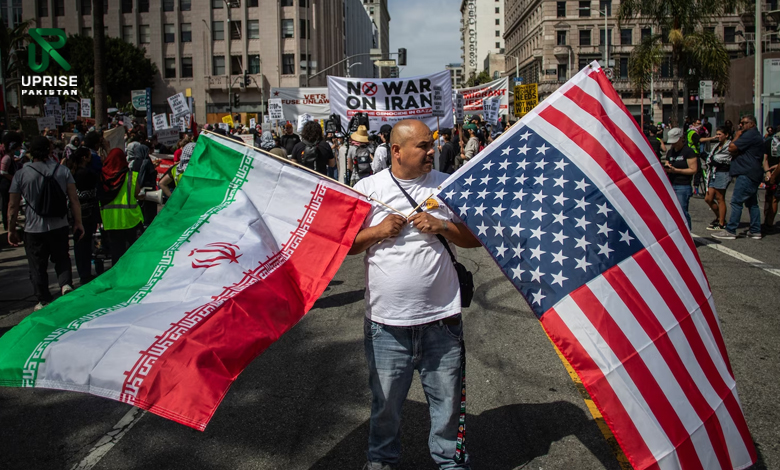
Rumors of a U.S. strike on Iran are spreading quickly. Many want clear facts, not just noise. Headlines mention carriers, warnings, and new sanctions. Markets are moving, and families worry about prices and safety. History also looms over each step in the Gulf. Signals show both pressure and restraint. Verified reports describe real risks, but no final decision is made. The stakes involve security, energy, and diplomacy. Clarity is important as events unfold hour by hour. Americans wonder what action, if any, will come next.
Signals From Washington
U.S. officials say President Donald Trump is considering options on Iran. These include limited strikes on commanders and missile sites. However, they emphasize that no final decision has been made yet. Reports mention an aircraft carrier strike group entering the area, which increases pressure and readiness. Still, officials leave room for diplomacy, repeating that “all options are on the table.” The mixed signals indicate leverage rather than certainty. The goal is to deter Iran while also shaping a deal. So, the near-term risk is real but not certain.
What Tehran Says
Tehran vows swift retaliation, showcases drones, signals readiness, yet says talks remain possible if based on respect and mutual security.
· Government stance
Iranian leaders promise a fast and forceful response to any attack. They also say talks are possible if based on “respect.” They highlight air defense and new drones. This message seeks to deter strikes. It also rallies support at home.
· Domestic context
Iran recently faced a harsh crackdown on protests. Rights experts cite detentions, even in hospitals. Streets are quieter, but anger runs deep. This backdrop shapes Iran’s warnings and its posture. It also shapes how the world responds.
· Regional risks
Tehran hints it may hit U.S. assets or allies if attacked. That threat could widen any fight. It makes miscalculation more likely. Therefore, signals matter.
Markets Flash A Warning
Oil prices jump when war risk rises. This week, Brent neared a six-month high. Analysts say a “geopolitical premium” is back. They point to fears over the Strait of Hormuz. That route moves huge daily oil flows. Even small disruptions could bite. Banks see prices staying firm if tensions last. U.S. storms and other outages also support prices. But the risk is the main driver now. Therefore, energy bills and inflation could rise. Households feel that quickly. Investors also watch shipping and insurance costs. These markets often move before policy does. That is why their signals matter.
Europe’s Next Moves
European Union ministers approved new sanctions against Iran. They referenced protest abuses and repression. Some leaders also backed listing the IRGC as a terrorist group. That step raises pressure on Tehran. It also complicates diplomacy. However, Europe still urges restraint and talks. EU actions signal unity with Washington on rights. Yet they also aim to avoid open war. The balance is hard but important. Sanctions target officials and tools of censorship. They also seek to limit funds for crackdowns. This coordinated approach shapes Iran’s cost-benefit choices. It can raise the price of escalation without missiles.
How To Read Military Moves
Defense watchers look for patterns, not one-offs. Here are common clues:
- Force posture: Carrier groups and bombers increase speed and reach. However, deployments can signal deterrence, not attack plans.
- Public warnings: Leaders use sharp language to shape choices. It raises pressure while leaving room for talks.
- Allied alignment: Sanctions or terror listings raise non-military costs. Partners can cool or fuel tensions.
- Market moves: Oil spikes when risk grows. Traders often price threats early.
- Back-channel signals: Reports hint that both sides test off-ramps. Those signals matter most, but often stay private.
“Time is running out,” Trump warned, while urging talks. That mixes threat and diplomacy.
Pressure vs. Restraint
| Indicator | Current reading | Why it matters |
| U.S. force posture | Carrier group in theater | Enables quick action and leverage. |
| Public rhetoric | Tough warnings plus talk of talks | Signals pressure, not certainty. |
| EU actions | New sanctions; IRGC listing push | Adds costs without firing shots. |
| Oil markets | Prices near recent highs | Reflects higher conflict risk. |
| Iran signals | Vows rapid retaliation | Raises the chance of a wider fight. |
Pressure Mounts As Diplomacy Persists And Markets Brace
Based on open signals, the U.S. is raising pressure while keeping options open. Iran vows to hit back, which raises the risk. However, both sides still hint at the possibility of talks. Europe tightens sanctions to push accountability without war. Markets price the danger, and households may feel the costs. Therefore, the best speak is this: a strike is possible, but not certain. Watch posture, words, partners, and prices together. Stick with verified reporting from trusted sources to stay grounded.


