Wazir Khan Mosque: A Masterpiece of Mughal Art and Architecture
Celebrating Timeless Beauty Through Intricate Frescoes and Exquisite Tile Work
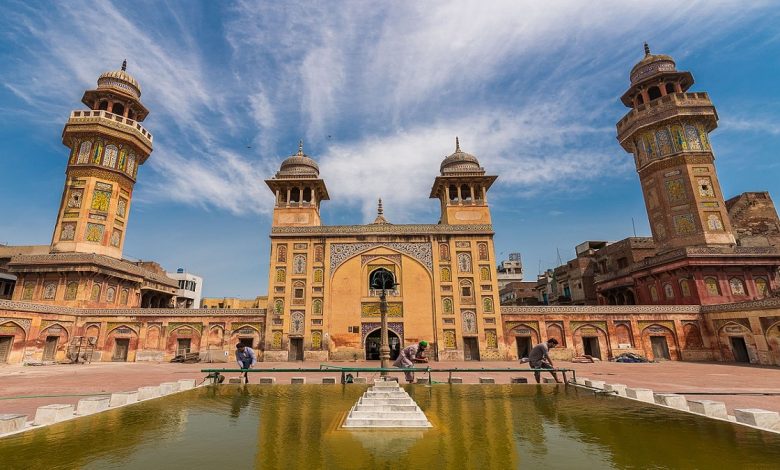
A Jewel in Lahore’s Architectural Crown
The Wazir Khan Mosque, situated in the heart of Lahore, is a glorious testament to the artistic brilliance of the Mughal era. Built in 1635 during the reign of Emperor Shah Jahan, this mosque is renowned for its intricate frescoes, vibrant tile work, and harmonious design. Located near the bustling Delhi Gate, this historic landmark remains one of the most captivating attractions in Lahore, drawing visitors from across the globe.
Wazir Khan Mosque Historical Context
Commissioned by Hakim Ilm-ud-din Ansari, commonly known as Wazir Khan, the Governor of Lahore under Shah Jahan, the mosque served as both a place of worship and a hub for cultural and social gatherings. Its construction was part of a larger urban renewal initiative, which included a nearby bazaar and several other public structures.
The Wazir Khan Mosque is a prime example of the architectural innovations and artistic flourishes characteristic of the Mughal period, showcasing their unparalleled mastery in blending functionality with aesthetic grandeur.
Architectural Splendor
The Entrance Gateway
The mosque greets visitors with a grand entrance, richly adorned with Persian-style frescoes. The intricate floral and geometric patterns immediately captivate the viewer, setting the tone for the splendor that lies within.
The Courtyard
The central courtyard, surrounded by arcades, provides an open and serene space for prayer and reflection. Its layout reflects the Mughal emphasis on symmetry and proportion, making it both functional and visually pleasing.
The Minarets
The four towering minarets, each standing at 107 feet, are marvels of Mughal engineering. These minarets not only enhance the mosque’s aesthetic appeal but also serve as vantage points, offering panoramic views of Lahore’s historic district.
The Prayer Hall
The prayer hall is the heart of the mosque, featuring a stunning mihrab (niche indicating the direction of Mecca) and an intricately decorated pulpit. The vaulted ceilings and domes are covered with an awe-inspiring array of kashi kari (tile work) and naqashi (fresco painting), representing a rich palette of colors and themes.
The Art of Frescoes and Tile Work
The Wazir Khan Mosque is particularly celebrated for its frescoes and kashi kari, which are unmatched in their detail and vibrancy.
- Frescoes: Covering almost every surface of the mosque, these frescoes depict intricate floral designs, Quranic inscriptions, and Persian poetry. The precision and artistry of these works highlight the exceptional skill of Mughal artisans.
- Tile Work: The mosque’s exterior is adorned with multicolored glazed tiles, featuring geometric patterns and floral motifs. This technique, known as faience mosaic, showcases the fusion of Central Asian and Persian influences in Mughal art.
Cultural and Religious Significance
Beyond its architectural magnificence, the Wazir Khan Mosque holds immense cultural and religious importance. It served as a spiritual center and a place where communities gathered for prayers, festivals, and scholarly discussions. The mosque also symbolized the Mughals’ dedication to integrating art, culture, and religion into daily life.
The Calligraphy
The mosque is also a treasure trove of Islamic calligraphy, with Quranic verses beautifully inscribed on walls, arches, and domes. These inscriptions, crafted in thuluth and naskh scripts, add a spiritual dimension to the mosque’s artistic appeal, inviting worshippers and visitors to reflect on the divine messages.
Modern-Day Relevance
While centuries have passed since its construction, the Wazir Khan Mosque remains a vibrant part of Lahore’s cultural and spiritual landscape. The Wazir Khan Mosque mosque is a popular site for both tourists and pilgrims, offering a tranquil escape from the chaos of the surrounding bazaars. Restoration efforts led by local authorities and international organizations have ensured that this historic gem continues to inspire future generations.
Nearby Attractions
The Wazir Khan Mosque mosque’s location near the Delhi Gate of the Walled City of Lahore makes it an ideal starting point for exploring other historic sites. Visitors can stroll through the lively Shahi Guzargah (Royal Trail), visit the Shahi Hammam, or enjoy the vibrant atmosphere of Lahore’s bazaars, which offer traditional crafts, textiles, and cuisine.
Tips for Visitors
- Best Time to Visit: Early mornings or late afternoons, when the lighting enhances the beauty of the frescoes and tile work.
- Dress Code: Modest attire is recommended, as it is an active place of worship.
- Guided Tours: Hiring a guide can enhance your experience, providing in-depth insights into the Wazir Khan Mosque mosque’s history and art.
Conclusion
The Wazir Khan Mosque is not just an architectural marvel but also a cultural and spiritual treasure. Its intricate frescoes, vibrant tile work, and timeless design offer a glimpse into the grandeur of the Mughal era. Whether you are a history enthusiast, an art lover, or a spiritual seeker, a visit to this Wazir Khan Mosque mosque is sure to leave you inspired and awestruck.