

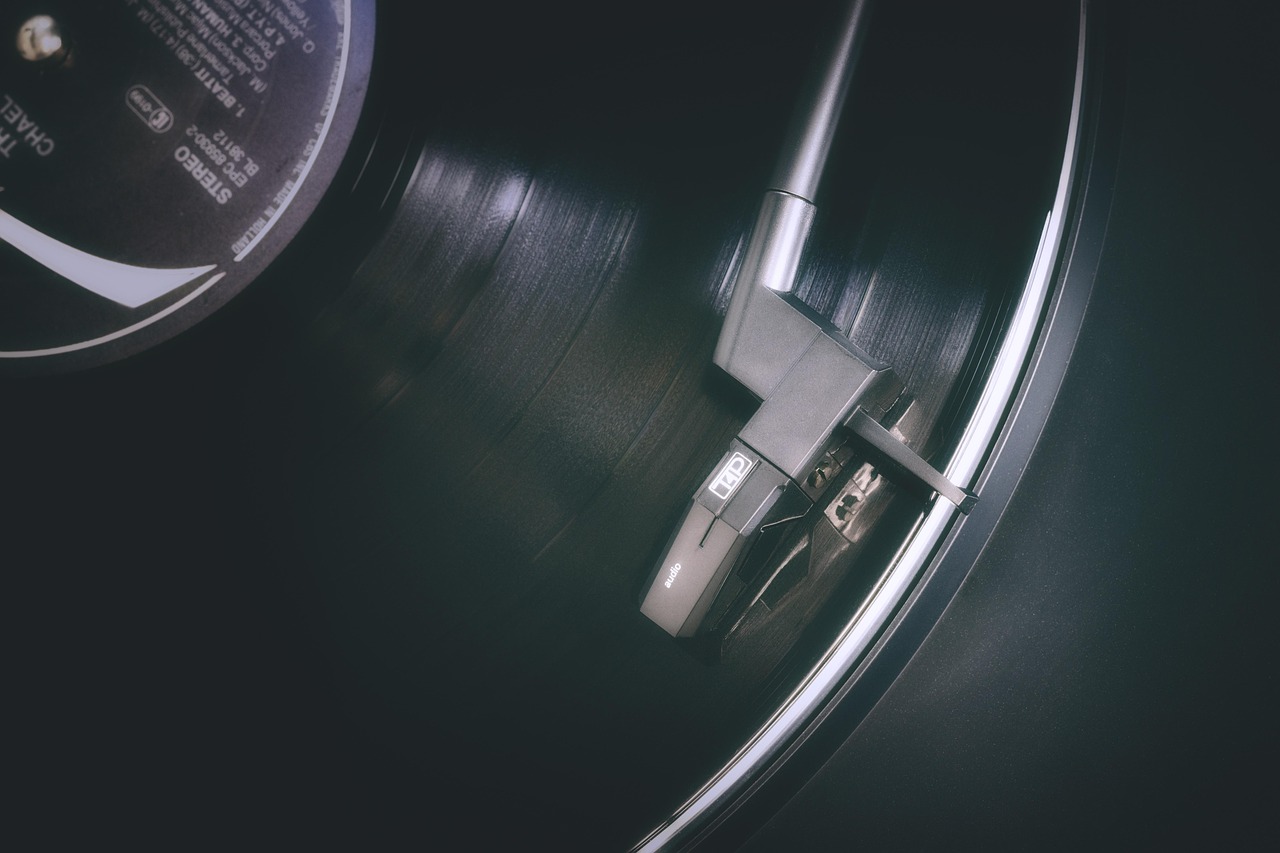
In an era where millions of songs are instantly accessible via your smartphone, the humble vinyl record is experiencing a massive renaissance. While digital convenience rules the music industry, music lovers are increasingly turning to tactile, analog formats. This shift raises a fascinating question: how is physical media surviving in a world dominated by algorithms?
The Dominance and Fatigue of Streaming
There is no denying the convenience of streaming. Platforms like Spotify and Apple Music put virtually the entire history of recorded sound in your pocket. However, this abundance has led to listener fatigue.
When music is treated as an infinite, weightless commodity, it often loses its emotional weight. Playlists curated by algorithms dictate what we hear next, shifting the focus from intentional album listening to background noise. Furthermore, artists frequently voice concerns about streaming royalty rates, prompting fans to buy physical records to directly support their favorite musicians.
Why Vinyl is Winning the Physical Race
The resurgence of vinyl isn’t just about nostalgia; it is a cultural movement driven by several key factors:
- Tangible Connection: Opening a gatefold jacket, reading liner notes, and placing the needle in the groove creates a ritualistic listening experience.
- Album Artwork as Art: Unlike a tiny thumbnail on a screen, 12-inch vinyl cover art is a physical centerpiece.
- Warmth of Analog Sound: Many audiophiles argue that vinyl offers a richer, warmer sound profile compared to heavily compressed digital audio files.
The Intersection of Entertainment Culture
Physical media is not only reclaiming space in the audio world; it is part of a broader consumer rebellion against pure digitization. Much like the physical box sets of movies and collector’s editions in gaming, music fans want to own a piece of the culture they consume.
This trend heavily intersects with celebrity culture. Mega-stars like Taylor Swift and Billie Eilish release multiple colored-vinyl variants of their albums, turning record collecting into a gamified experience. Fans eagerly hunt down limited-edition pressings, proudly displaying their collections on social media.
Conclusion
Vinyl records and digital streaming are not mutually exclusive; they serve different purposes. Streaming wins on convenience, but vinyl wins on connection. As long as listeners crave authenticity, physical music will continue to spin forward in the digital age.
Key Takeaways
- Vinyl offers an intentional, ritualistic listening experience that digital formats lack.
- Artists benefit more financially when fans purchase physical records and merchandise.
- The comeback of vinyl mirrors trends in physical gaming and home video media.
- Limited-edition releases and vibrant variants continue to drive collector engagement.