
Decoding Significance Of Aravalli Range For North Indian Climate

Last Updated:
The Aravalli Range, one of the oldest mountain systems in the world, holds immense significance in shaping the climate of North India.
After widespread protest, the Centre on Sunday rejected reports that the definition of the Aravalii hills had been changed to allow large-scale mining, and cited a Supreme Court-ordered freeze on new mining leases in the region. It added that the Supreme Court-approved framework provides for strong protection of the mountain system and places a freeze on new mining leases until a comprehensive management plan is finalised.
Environment Minister Bhupender Yadav said that the Supreme Court-approved definition will bring more than 90% of the Aravalli region under ‘protected area’. The definition states, “Aravalli Hill is any landform in designated Aravalli districts with an elevation of 100 metres or above its local relied and an Aravalli Range is a collection if two or more such hills within 500 metres of each other. (Image: Wikimedia Commons)
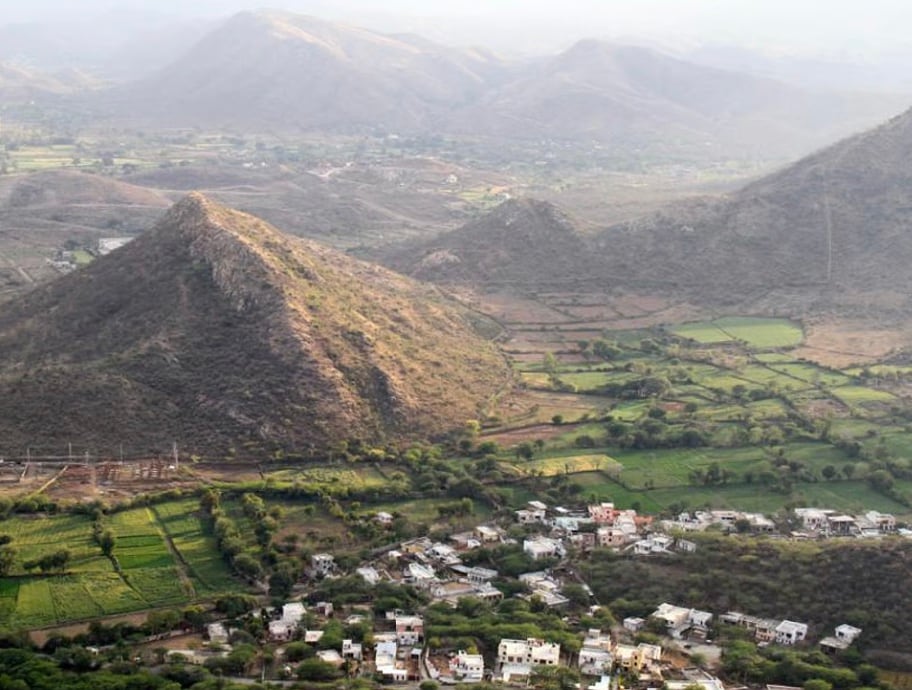
Stretching across Rajasthan, Haryana, Delhi, and Gujarat, the Aravallis serve as a crucial natural barrier, influencing both weather patterns and regional climates. Here’s decoding the significance of Aravalli Range for North Indian climate. (Image: Wikimedia Commons)
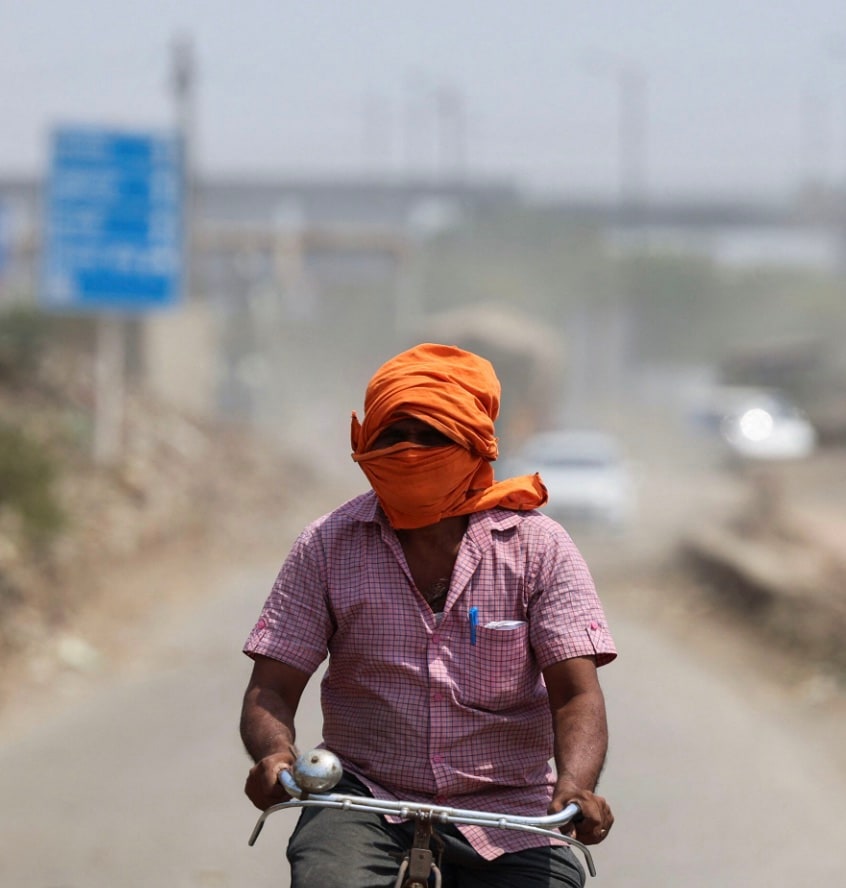
Climate Aid: Areas near the Aravallis can be -2-3 degree Celsius cooler in summer. The hills slow hot desert winds, helping stabilize temperatures across north and north-west India during heatwaves. (Image: Wikimedia Commons)
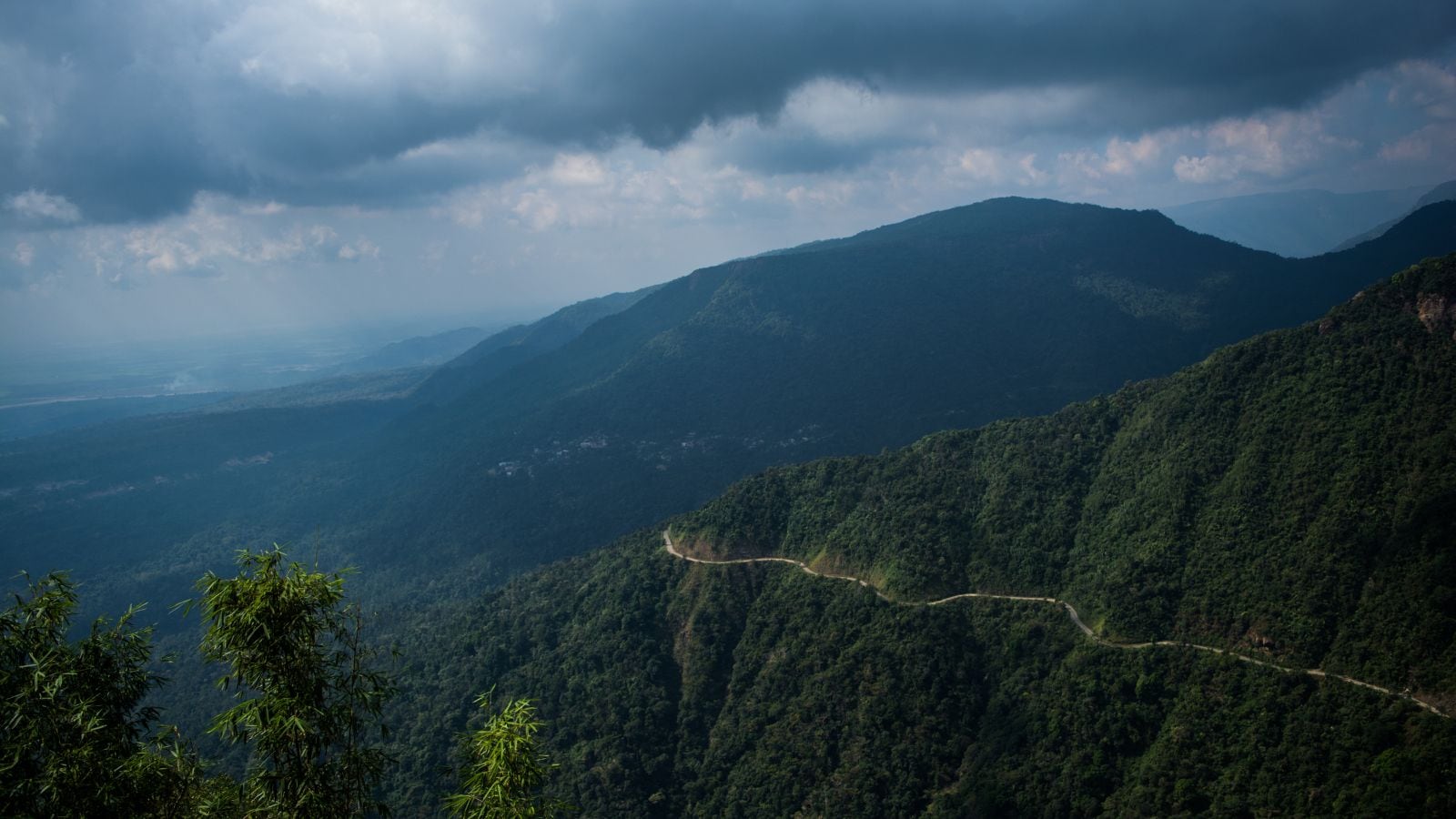
Guiding Monsoon: The Aravallis redirect monsoon wind flow. As moist air meets the hills, it slows and rises slightly, helping rainfall spread more evenly across Delhi, Haryana, and western Uttar Pradesh and reducing dry spells. (Image: Wikimedia Commons)
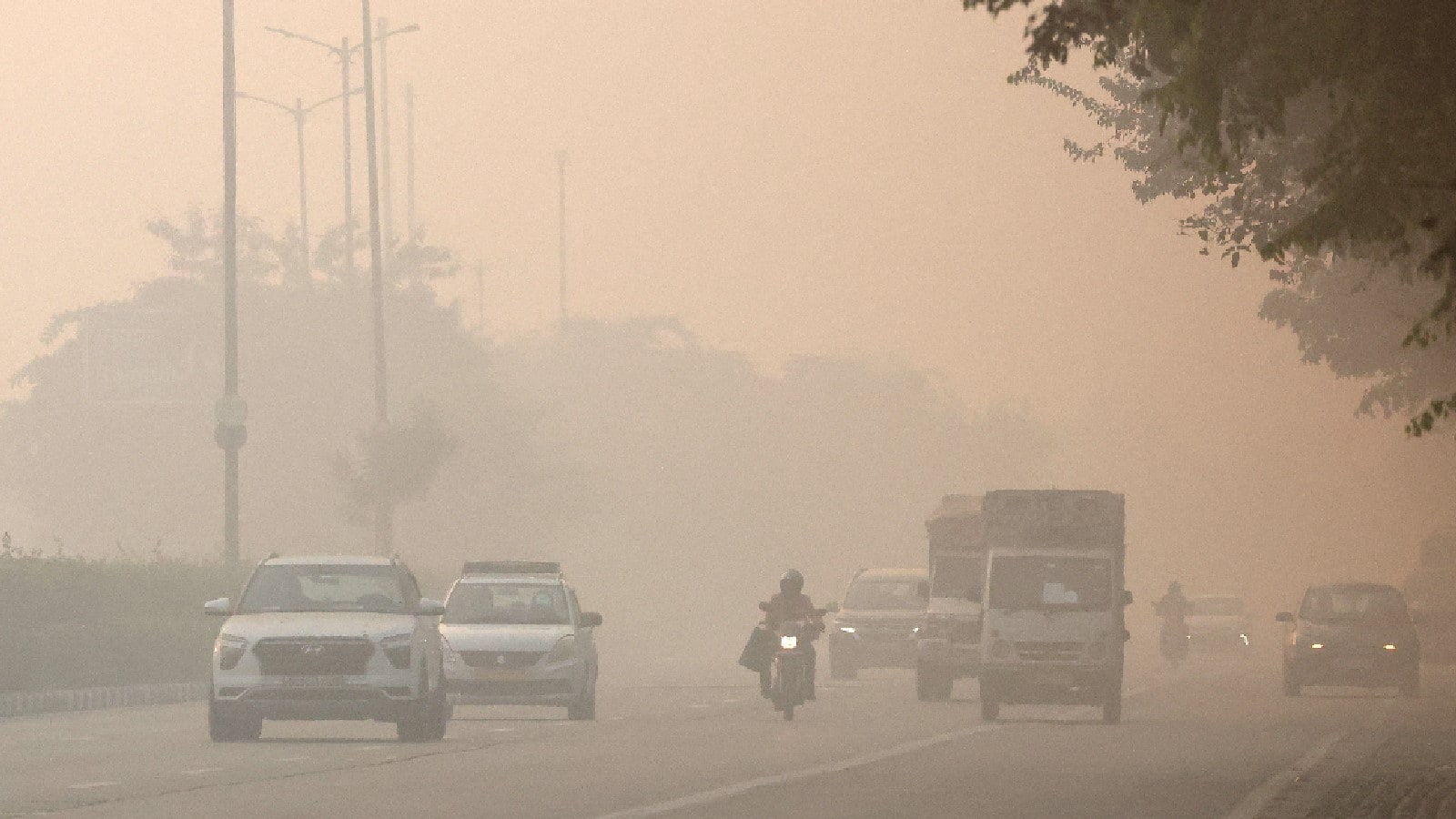
Preventing Dust Storms: Stretching approximately 800 kilometres, the Aravallis blow dry winds from the Thar Deser, slowing desert expansion and reducing dust storms affecting farms and towns further east. (Image: Wikimedia Commons)
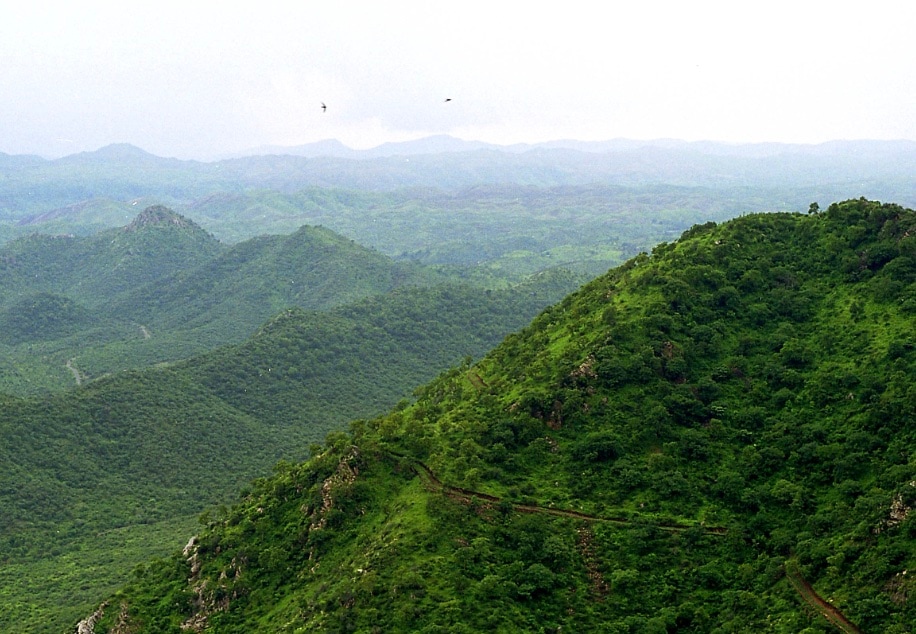
Recharging Groundwater: Rainwater seeps through fractured Aravali rocks, recharging aquifiers. In some some areas, one hectare replenishes over two million litres annually, supporting drinking water in Rajasthan, Haryana and Delhi. (Image: Wikimedia Commons)
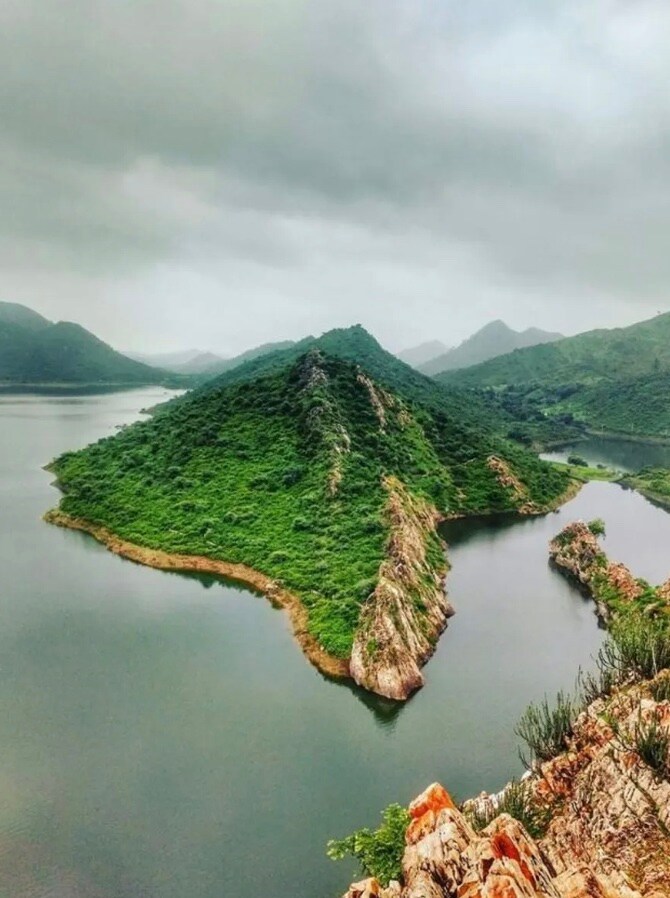
Keeping The Springs Alive: Seasonal streams like the Sahibi exist because the Aravalli hills store rainwater and release it slowly, allowing springs and nalas to flow long after the monsoon ends. (Image: Wikimedia Commons)
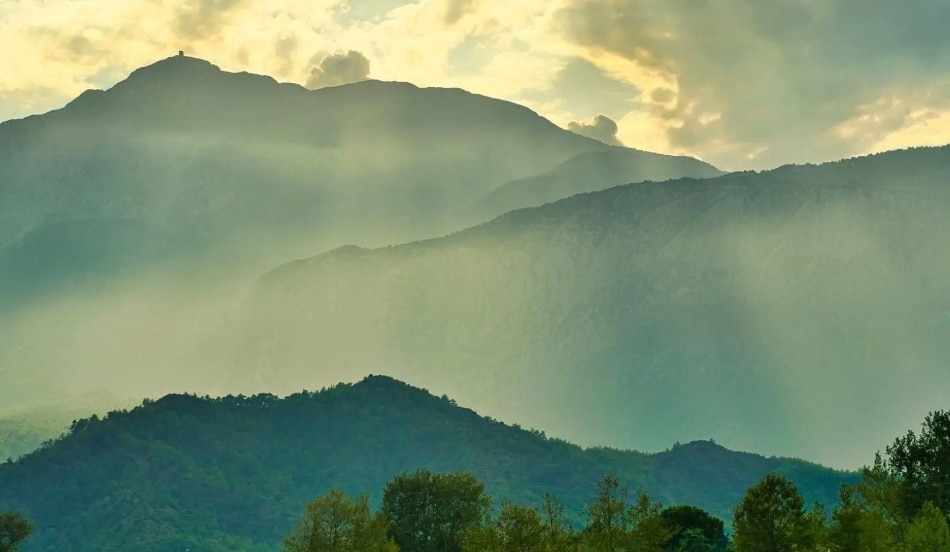
Limits Soil Errosion: The hills limit soil erosion and helps farms retain moisture and nutrients, improving crop resilience during dry spells or heavy downpours. (Image: Wikimedia Commons)
Source link


