
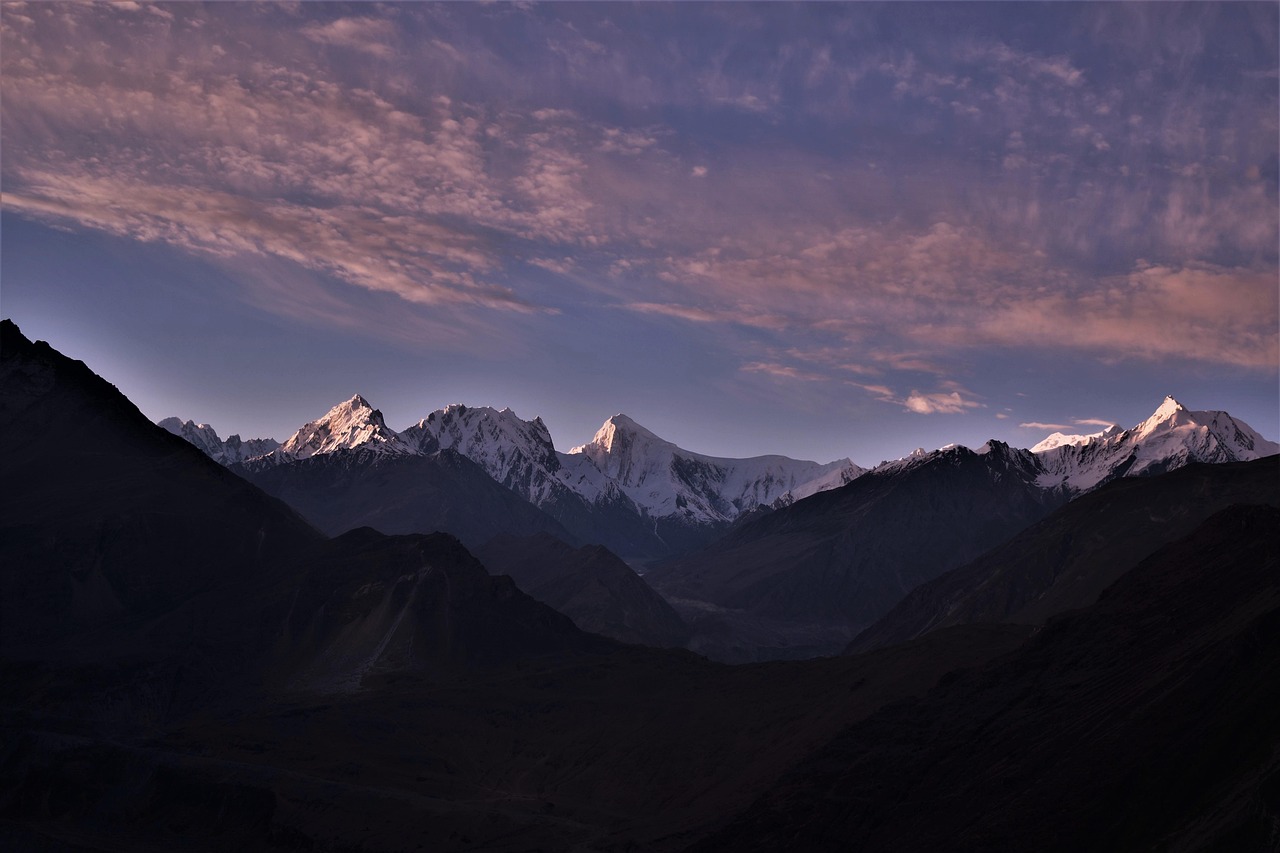
Nestled between the towering peaks of the Karakoram, Hindu Kush, and Himalayas, Northern Pakistan is a realm of dramatic landscapes, ancient traditions, and unparalleled hospitality. For adventure seekers and culture enthusiasts alike, the valleys of Skardu and Hunza offer a journey into one of the most breathtaking regions on Earth.
Understanding the Region
The Rise of Pakistan Tourism
In recent years, Pakistan tourism has experienced a remarkable resurgence. Improved infrastructure, enhanced security, and digital connectivity have opened up remote regions that were once difficult to access. Travelers from across the globe now flock to the northern areas to witness pristine alpine lakes, towering glaciers, and historic fortresses.
Blending Tradition with Modernity
While tourism drives economic growth, the region remains deeply rooted in its heritage. Visitors often marvel at how local communities preserve their traditions while gradually adopting modern advancements. For instance, initiatives in Pakistan technology have brought reliable mobile data and 4G connectivity to remote valleys, allowing digital nomads to work amidst the mountains.
Discovering Skardu: The Land of Giants
Skardu serves as the gateway to some of the world’s highest peaks, including K2 and Gasherbrum. It is a haven for trekkers, mountaineers, and nature lovers.
Top Attractions in Skardu
- Shangrila Resort: Famous for its heart-shaped lake and lush orchards.
- Satpara Lake: A stunning high-altitude lake supplying water to Skardu town.
- Deosai National Park: One of the highest plateaus in the world, known for its vast plains and the endangered Himalayan brown bear.
- Shigar Fort: A beautifully restored 17th-century fort that now operates as a luxury heritage hotel.
Journeying Through Hunza Valley
Located further west, Hunza Valley is renowned for its dramatic geography, longevity of its residents, and rich history along the ancient Silk Road.
Cultural Richness
Immersing oneself in Pakistan culture is a highlight of any trip to Hunza. The local Burusho and Wakhi people are known for their extraordinary hospitality, unique languages, and vibrant folk music. Educational standards in the region are notably high, supported by various NGOs and community-led schools that reflect broader improvements in Pakistan education.
Must-Visit Spots in Hunza
- Altit and Baltit Forts: Ancient architectural marvels offering panoramic views of the valley.
- Attabad Lake: Formed by a massive landslide in 2010, its striking turquoise waters are a major tourist attraction.
- Passu Cones: Dramatic jagged peaks that provide one of the most iconic photo backdrops in the Karakoram range.
- Khunjerab Pass: The highest paved international border crossing in the world, connecting Pakistan with China.
Economic Impact and Travel Tips
The influx of travelers significantly boosts the Pakistan economy, particularly in rural areas where hospitality, handicraft production, and transport services provide sustainable livelihoods for locals.
Essential Travel Tips
- Best Time to Visit: May to October offers the most favorable weather for trekking and sightseeing.
- Permits: Certain border regions may require specific permits, so check with local authorities beforehand.
- Respect Local Customs: Dress modestly and ask for permission before photographing residents.
Conclusion
A trip to Skardu and Hunza Valley transcends a standard vacation—it is an eye-opening expedition into nature and culture. By supporting local communities, travelers contribute directly to regional development, ensuring these majestic landscapes remain preserved for future generations.