
First U.S. University To Open Campus In Pakistan By Fall 2025
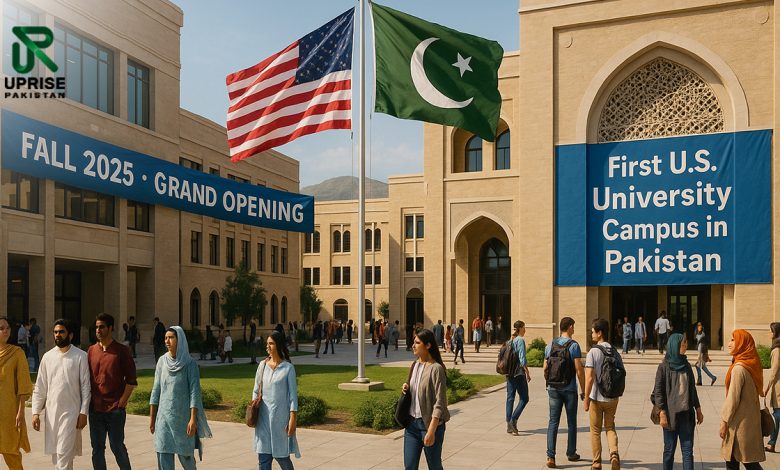
Pakistan’s young people often dream of moving west. Now, one door opens at home. Arizona State University (ASU) will launch the National Institute of Technology (NIT) in Lahore in Fall 2025. Many cheer, yet many feel the weight of past promises. This story explains why.
Why This Move Matters
- Pakistan’s youth bulge: About 64 percent of citizens are under 30 (UNDP, 2024). Jobs lag.
- ASU’s record: #1 U.S. university for innovation nine years running (U.S. News, 2025).
- First physical U.S. campus on Pakistani soil.
Because of these facts, hope rises. Yet caution stays. Parents ask, “Will this last?” Learners ask, “Will costs soar?” We explore, step by step.
The Agreement At A Glance
| Mission Data | Detail |
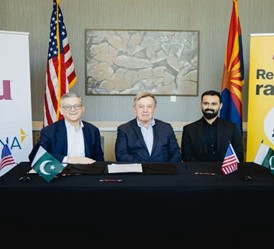
| Signing date | April 2025 |
| Location signed | ASU Tempe, Arizona |
| Pakistani leaders | Shahzeb Awan (law), Jahanzeb Burana (finance) |
| Government stance | Backed by PM Shehbaz Sharif |
| Campus city | Lahore |
| Start of classes | Fall 2025 |
| Schools | Management Sciences; Data Sciences & IT |
| Degree model | Dual ASU–NIT options |
Two Schools, One Mission
ASU designed two divisions:
1. School of Management Sciences
- Focus: finance, supply chains, public policy.
- Goal: feed local firms with skilled managers.
2. School of Data Sciences & Information Technology
- Focus: AI, cybersecurity, cloud skills.
- Goal: prepare analysts for a digital economy.
Because each school addresses a clear workforce gap, planners expect quick demand.
Curriculum Built for Local Reality
ASU promises an American-standard syllabus. However, professors will blend local case studies and regional ethics. For example:
- History modules will track Indus tech heritage.
- Management labs will use Pakistan Stock Exchange data.
- IT projects will cover Urdu NLP tools.
Thus, lessons should feel both global and local.
Dual Degree Pathways
Key Points
- Students may earn two diplomas: one from ASU and one from NIT.
- They can spend up to two years at ASU sites in Arizona, Washington, D.C., or California.
- Credits transfer both ways under a locked rubric.
Why It Matters
Because many families cannot fund four U.S. years, this split route cuts costs while adding prestige. Meanwhile, ASU keeps academic control, so quality stays steady.
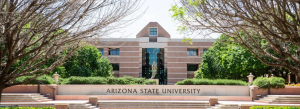
Global Doors Open
Moreover, NIT joins the ASU-Cintana Alliance, a network of 30+ partner universities. Therefore, Lahore students can:
- Join exchange semesters in Spain, Mexico, or Vietnam.
- Access joint research funds for climate, energy, and defense tech.
- Attend virtual guest lectures from NASA engineers and Pentagon analysts.
Consequently, Pakistani classrooms gain fast links to world labs.
Economic and Social Impact
Job Market Boost
- The Pakistan Software Export Board reports a 47 percent jump in IT exports from 2021 to 2024.
- Yet, the board says 30,000 IT seats stay vacant yearly due to skill gaps.
Hence, NIT could fill part of that hole.
Brain Drain Check
World Bank data shows more than 600,000 skilled Pakistanis have left since 2020. If NIT holds top faculty, some may stay.
Urban Development
While Lahore already hosts top colleges, this campus could be divided into:
New hostels and transit links.
Research parks with joint U.S.–Pakistani funding.
Support roles for veterans and underrepresented groups.
Therefore, ripple effects may reach far
Challenges Ahead
Although plans look solid, hurdles remain.
- Regulatory Maze: Curriculum approvals and visa rules need swift fixes.
- Cost Control: ASU tuition in the U.S. tops $12,000 per semester. Fees in Lahore must sit far lower.
- Faculty Pipeline: Skilled PhDs are scarce. Hiring overseas may spark debate.
- Security Concerns: Regional tensions could deter foreign staff. Mitigation plans must stay sharp.
Because these issues loom, project teams must keep clear timelines and public reports.
What Comes Next
- Site Work starts by winter 2025.
- Admissions Portal opens in spring 2025.
- First Cohort: 1,000 students, split 60–40 between the two schools.
- Review Board: Joint ASU–NIT panel will publish annual metrics on jobs, research, and costs.
Because transparency can build faith, each milestone must reach the public on time.
Conclusion
A quiet shift begins. If leaders keep pace, Lahore’s new campus may anchor fresh hope for millions. If not, it may join a list of missed chances. For now, eyes stay fixed on Fall 2025—a date that could mark the day many young Pakistanis stop looking outward and start building futures at home.


