
Hajj 2024: A Simple Step-by-Step Guide
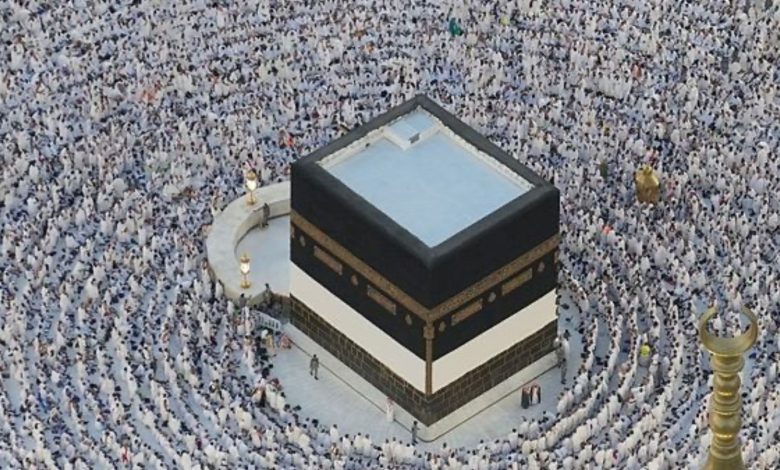
Hajj is an annual Islamic pilgrimage to Mecca, Saudi Arabia, and is one of the Five Pillars of Islam. It is obligatory for all Muslims who are physically and financially capable of undertaking the journey at least once in their lifetime. Hajj 2024, like every year, is expected to attract millions of Muslims from around the world.
Performing Hajj involves a series of religious rites that take place over several days. Here are the 19 detailed steps of Hajj:
Intention and Ihram:
– Before reaching Mecca, pilgrims must enter a state of spiritual purity known as Ihram. It involves wearing special white garments (for men, two white sheets; for women, modest clothing).
– Pilgrims declare their intention (Niyyah) to perform Hajj and recite the Talbiyah: “Labbayk Allahumma Labbayk, Labbayk Laa Shareeka Laka Labbayk. Innal-Hamda Wan-Ni’mata Laka Wal-Mulk La Shareeka Lak.”
Tawaf:
– Upon arrival in Makkah, pilgrims perform Tawaf, which is the act of walking around the Kaaba seven times in a counterclockwise direction.
Sa’i:
– After Tawaf, pilgrims perform Sa’i, which involves walking seven times between the hills of Safa and Marwah, reenacting Hazrat Hajra’s(r.a) search for water for her son Hazrat Ismael (a.s).
Travel to Mina:
– On the 8th of Dhu al-Hijjah (known as Yawm at-Tarwiyah), pilgrims travel to Mina, where they spend the night in prayer and meditation.
Day of Arafat:
– On the 9th of Dhu al-Hijjah, pilgrims travel to the plain of Arafat and spend the afternoon in earnest supplication and prayer, asking for forgiveness and making du’a (supplication).
Sermon and Wuquf:
– A sermon is delivered, and pilgrims stand (waqf) in Arafat from noon to sunset, which is considered the climax of Hajj.
Travel to Muzdalifah:
– After sunset on the Day of Arafat, pilgrims travel to Muzdalifah, where they spend the night under the open sky. They gather pebbles for the next day’s ritual.
Ramy al-Jamarat:
– On the 10th of Dhu al-Hijjah, pilgrims return to Mina and throw seven pebbles at the largest of three pillars known as Jamrat al-Aqabah. It symbolizes the rejection of evil.
Sacrifice (Qurbani):
– Pilgrims then perform an animal sacrifice (usually a sheep, goat, cow, or camel) to commemorate the willingness of Prophet Ibrahim to sacrifice his son in obedience to God.
Haircut or Shaving (Tawaf al-Ifadah):
– Male pilgrims shave their heads or cut their hair, and female pilgrims cut a small portion of their hair. This act symbolizes a state of renewal and humility.
Tawaf al-Ifadah:
– Pilgrims return to Makkah to perform another Tawaf around the Kaaba, known as Tawaf al-Ifadah, which is a fundamental part of Hajj.
Sa’i of Hajj:
– Pilgrims perform Sa’i again, walking between Safa and Marwah.
Return to Mina:
– Pilgrims return to Mina and spend two or three more days (11th to 13th of Dhu al-Hijjah) in Mina, known as the Days of Tashreeq.
Ramy al-Jamarat (Days of Tashreeq):
– Each day during the Days of Tashreeq, pilgrims throw seven pebbles at each of the three pillars (Jamrat al-Ula, Jamrat al-Wusta, and Jamrat al-Aqabah).
Final Tawaf (Tawaf al-Wada):
– Before leaving Makkah, pilgrims perform a farewell Tawaf, known as Tawaf al-Wada, which involves circling the Kaaba seven times one last time.
Completion and Du’a:
– After completing the final Tawaf, pilgrims pray and make du’a, asking Allah to accept their Hajj.
Zamzam Water:
– Pilgrims often drink from the Zamzam well and may also take some Zamzam water home.
Return Home:
– Pilgrims return to their home countries with the spiritual gains and experiences of Hajj, striving to implement the lessons learned in their daily lives.
Continuing the Spirit of Hajj:
– The essence of Hajj involves a lifelong commitment to faith, good deeds, and the ongoing worship of Allah.
These steps encompass the comprehensive rituals and spiritual journey that define the Hajj pilgrimage, representing a profound and transformative experience for Muslims worldwide.


