
How The Middle East War Is Driving Up Shipping Costs
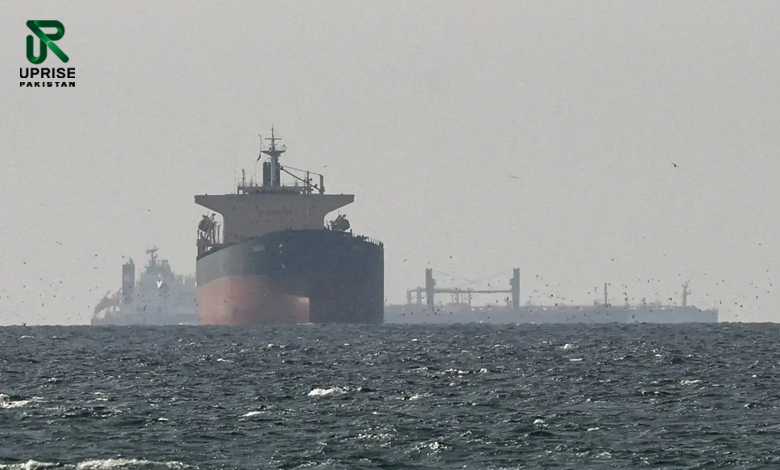
If you buy imported goods, you feel this war. Prices can rise in days. Also, deliveries can arrive late. The Middle East war has shaken key shipping routes. So, many ships avoid danger zones when they can. However, some ships also stop and wait. That pause cuts cargo space fast. Meanwhile, longer detours burn more fuel each day. Then, insurers charge more to cover ships at risk. As a result, carriers add fees and surcharges. In the end, businesses pass many costs to shoppers in the United States and Pakistan.
The World’s “Sea Gate” Gets Tight: Hormuz Raises The Stakes
The Strait of Hormuz is a narrow ocean passage. It connects the Gulf to open seas. In normal times, it carries about 20% of the world’s oil and gas shipments. Now, war risk has disrupted traffic there. So, ships face delays, checks, or reroutes. Also, fewer safe sailings can mean higher prices. Pakistan sits close to this stress point. Therefore, Pakistan’s import planning becomes harder. In late March 2026, Pakistan even hosted talks tied to reopening Hormuz.
The Suez Canal Shortcut Is Under Threat
Most people never think about the Suez Canal. However, it acts like a fast bridge for ships. It links Asia and Europe with a shorter route. When fighting spreads near the Red Sea, that bridge gets risky. So, big carriers pause or limit Suez trips. Maersk said it paused future Trans-Suez sailings due to a “deteriorating security situation.” As a result, the supply chain loses time. Then, schedules slip across global trade.
Detours Around Africa Turn Extra Miles Into Extra Bills
When ships avoid risky waters, they often reroute. So, many go around the Cape of Good Hope. That trip can add 10 to 14 days on some routes. As a result, ships burn more fuel per voyage. Also, crews work longer, and ships complete fewer loops. Therefore, container space gets tighter. Then, ocean freight rates can jump. Meanwhile, carriers often add freight surcharges to cover the detour. Reuters reported new surcharges of about $1,500 to $4,000 per container on some routes.
Fuel Costs Jump Fast, And Everyone Pays
Fuel is one of the highest costs at sea. So, when bunker fuel rises, shipping costs rise too. The AFP report noted bunker fuel prices surged during the conflict. Also, Reuters reported refined fuel prices in Asia surged after the Hormuz disruption. This matters for Pakistan in two ways. First, Pakistan imports energy. Second, higher fuel prices also raise inland transport costs. Therefore, inflation pressure can build from both ends.
War-Risk Insurance: The Hidden Fee That Hits Hard
Insurance sounds dull. However, it can move faster than freight rates. When threats rise, insurers add war risk insurance charges. Then, shipowners and carriers pass that cost on to their customers. Also, prices can change between the time of booking and the sailing.
This squeeze becomes real in crisis weeks. For example, Pakistan’s news coverage has warned that war-risk premiums can raise freight and import bills. That line from the AFP story shows the core problem. When ships cannot move, capacity drops. Then, prices rise.
Container Shipping Gets Hit, Not Just Oil Tankers
This war not only affects oil. It also hits container shipping for everyday goods. That includes parts, clothing, and food items. In Pakistan, exporters feel this quickly. Dawn reported that shipping lines increased war-related surcharges linked to the Middle East conflict. Also, Maersk revised surcharges tied to Pakistan trade lanes in March 2026. So, Pakistan’s exporters can face higher “per box” costs. Then, their goods can look less competitive overseas. Meanwhile, importers pay more for factory inputs. Pakistan has extra exposure because it imports fuel and relies on sea trade. So, shock waves hit fast.
- Pakistan faced LNG disruption risks in the late March 2026 reporting period.
- Pakistan-based coverage has warned that tensions over Hormuz could keep import costs under pressure.
- Exporters in Karachi face fresh surcharges and uncertainty on bookings.
Therefore, Pakistan can feel the war through shipping routes, fuel costs, and delivery delays.
| Cost driver | What happens at sea | Who feels it on land |
| Strait of Hormuz disruption | Ships wait, reroute, or slow down | Higher energy and freight bills |
| Red Sea shipping risk | Carriers avoid danger zones | Longer delivery delays |
| Suez Canal disruption | The short route becomes risky | Higher costs across supply chains |
| Rerouting around Africa | More days, more fuel use | Higher prices for imported goods |
| War risk insurance | Premiums rise quickly | Extra fees in freight contracts |
| Freight surcharges | Carriers add new charges | Exporters and shoppers pay more |
Conflict Makes Distance And Risk More Expensive
The Middle East war is raising shipping costs in clear steps. Risk disrupts key shipping routes, such as the Red Sea and the Hormuz Strait. Then ships reroute, slow down, or stop bookings, which cuts capacity. Fuel and insurance costs rise, and carriers add freight surcharges. Over time, those higher ocean freight rates reach the United States and Pakistan, resulting in higher prices and slower delivery.


