
International Day of Yoga 2024
Celebrating the 10th International Day of Yoga: Yoga for Self and Society
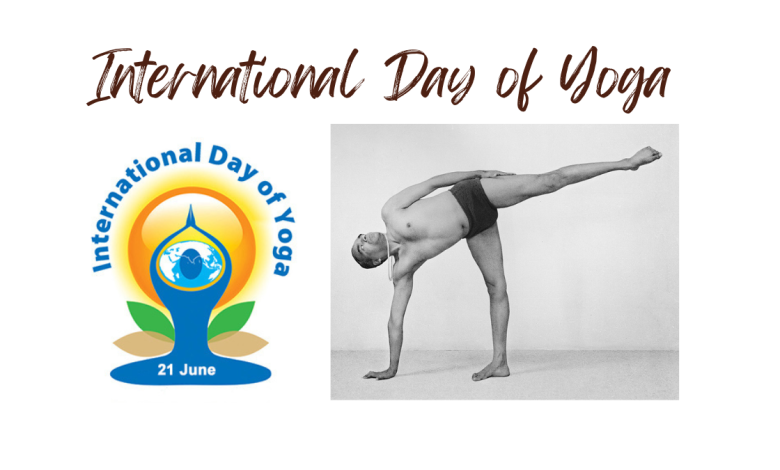
This year, we observe the 10th International Day of Yoga, themed “Yoga for Self and Society.” Yoga, a practice that has transformed countless lives, symbolizes the harmony between mind and body, the balance of thought and action, and the unity of restraint and fulfilment. It combines physical, mental, spiritual, and emotional aspects, offering a comprehensive approach to health and well-being, providing peace in our busy lives. This transformative power is what we honor on this special day.
Understanding Yoga and Its Global Celebration
Yoga is an ancient practice encompassing physical, mental, and spiritual dimensions, originating in India. The term’ yoga’ comes from Sanskrit, meaning to join or unite, reflecting the union of body and consciousness. Today, yoga is practiced globally in various forms and continues to gain popularity.
Recognizing yoga’s universal appeal, the United Nations declared June 21 the International Day of Yoga on December 11, 2014, through resolution 69/131. This day aims to increase worldwide awareness of the numerous benefits of yoga practice.
The Birth of International Day of Yoga
The initiative to establish the International Day of Yoga was proposed by India and supported by a record 175 member states. Indian Prime Minister Narendra Modi introduced the proposal during his speech at the 69th session of the General Assembly, highlighting yoga as “an invaluable gift from our ancient tradition.” He emphasized that yoga embodies the unity of mind and body, thought and action, and offers a holistic approach valuable to health and well-being. Modi stated, “Yoga is not just about exercise; it is a way to discover the sense of oneness with yourself, the world, and nature.”
Promoting Healthier Lifestyles through Yoga
The resolution underscores the significance of individuals and populations making healthier choices and adopting lifestyle patterns that promote good health. In this context, the World Health Organization (WHO) has also encouraged its member states to help their citizens reduce physical inactivity, a leading cause of death worldwide and a major risk factor for non-communicable diseases such as cardiovascular diseases, cancer, and diabetes.


