
Pakistan’s economy continues to navigate a complex period of financial reforms, inflationary pressures, and external financing requirements. Recent developments involving petroleum prices and anticipated International Monetary Fund financing have renewed discussions about the country’s economic recovery.
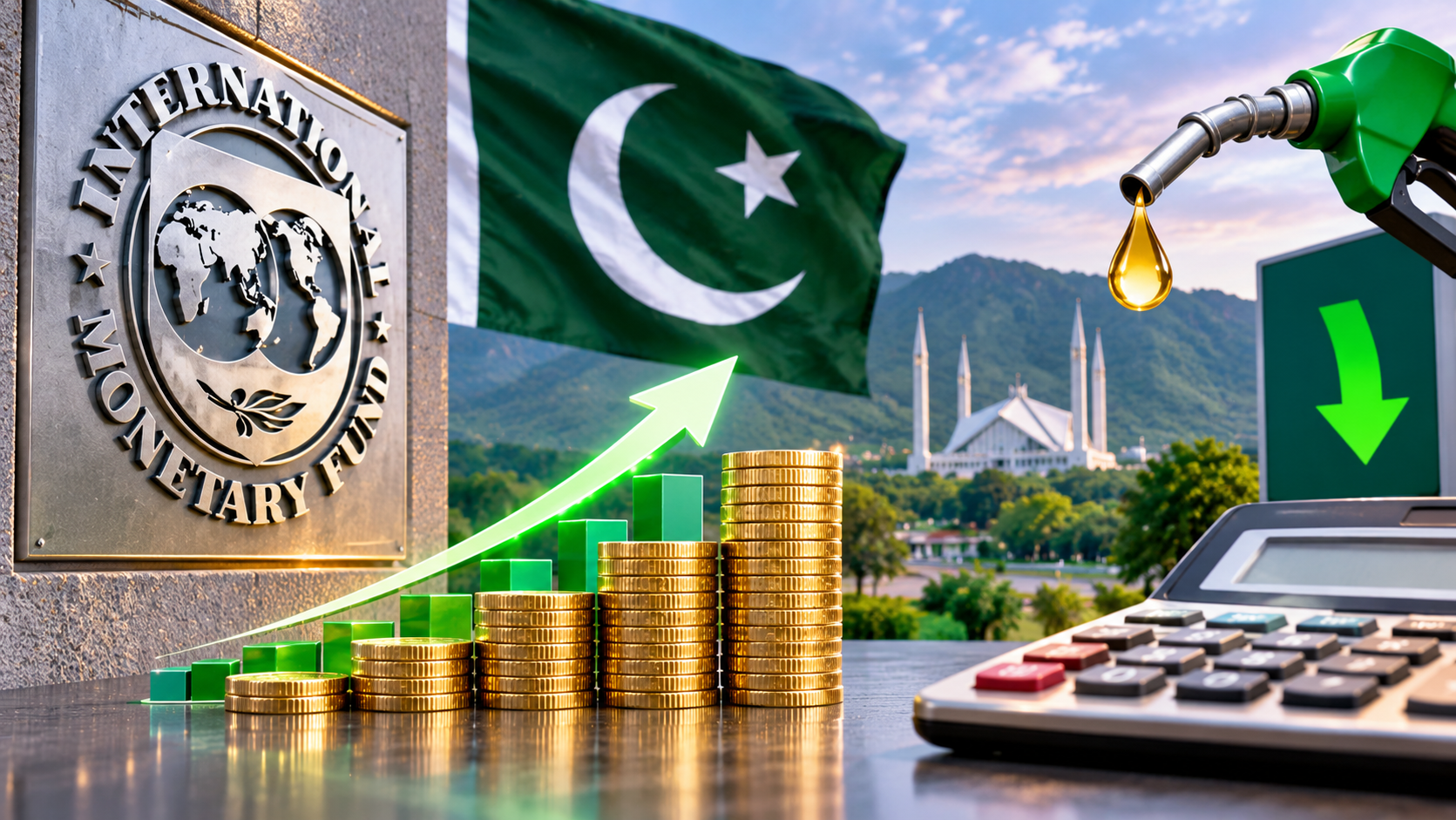
Pakistan is expecting an IMF board decision on approximately $1.21 billion in financing in December, while domestic fuel prices have recently been reduced.
The Macroeconomic Landscape
Economic stability depends on several interconnected factors, including inflation, foreign exchange reserves, government revenue, exports, and international financing.
Improved performance in these areas could help Pakistan strengthen its financial position and reduce uncertainty.
Key Factors Influencing Pakistan’s Economic Recovery
1. IMF Financing and Structural Reforms
International financing programmes can help countries address short-term external payment pressures.
However, sustainable economic recovery requires deeper structural reforms, including improved tax collection, efficient public expenditure, and stronger financial governance.
2. Petroleum Price Reductions
Petroleum prices influence transportation, agriculture, manufacturing, and household expenditure.
Lower fuel costs can provide limited financial relief, although the broader impact depends on international oil markets, exchange rates, and domestic taxation.
3. Export Growth
Pakistan’s export industries remain essential for generating foreign exchange.
Expanding technology services, value-added agricultural products, manufacturing, and textile exports could help diversify national income.
4. Overseas Remittances
Remittances from overseas Pakistanis provide financial support to millions of households and contribute to the country’s foreign exchange inflows.
Efficient banking services and formal remittance channels can help strengthen these contributions.
Challenges and the Road Ahead
Pakistan must continue addressing public debt, unemployment, energy sector inefficiencies, and structural economic weaknesses.
International financing can support short-term stability, but long-term prosperity requires productivity improvements and sustainable domestic revenue generation.
Conclusion
Pakistan’s economic recovery will depend on its ability to combine financial stability with industrial development, investment, and employment creation. Recent developments offer opportunities, but consistent reforms remain essential.
Key Takeaways:
- Pakistan is awaiting a decision on IMF financing.
- Lower petroleum prices may provide limited consumer relief.
- Export growth is essential for economic sustainability.
- Structural reforms remain critical for long-term recovery.