
Earn Free Bus Rides in Abu Dhabi by Recycling Plastic Bottles: Here’s How You Can Make a Difference
Abu Dhabi offers a unique initiative that rewards residents and visitors with free bus rides in exchange for recycling plastic bottles
Turning Plastic Waste Into Free Transportation
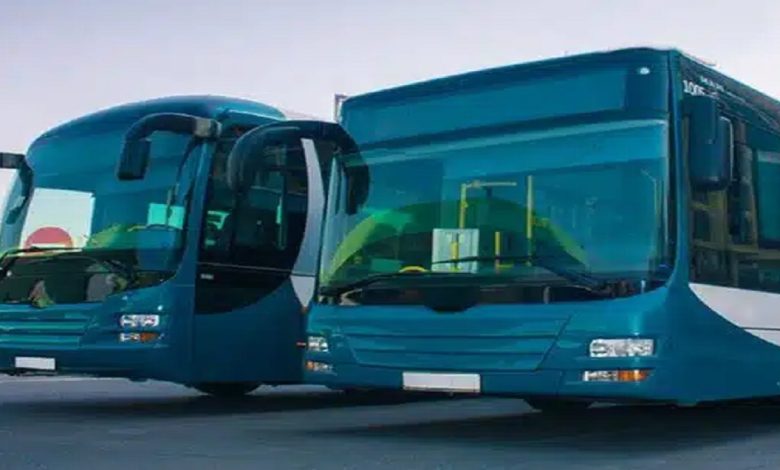
If you’ve got old plastic bottles lying around, don’t be so quick to toss them in the trash. In Abu Dhabi, those empty bottles could actually earn you free bus rides! This innovative approach was introduced by Abu Dhabi Mobility (AD Mobility), the official transport authority of the emirate, as a way to reduce plastic waste and encourage more people to use public transportation. Launched in 2022, this initiative is rapidly gaining attention and expanding, offering residents a greener way to travel around the city.
The Vision Behind the Initiative
The plastic recycling-for-rewards initiative by AD Mobility is part of a larger vision to create a more sustainable and environmentally conscious city. Abu Dhabi, like many global cities, faces challenges when it comes to managing plastic waste. Single-use plastic bottles are one of the biggest culprits contributing to environmental degradation. AD Mobility recognized this issue and saw an opportunity to address it by encouraging residents to recycle in exchange for free public transport—a move that benefits both the environment and the people.
This initiative encourages a shift towards eco-conscious behavior while promoting public transportation as a convenient and rewarding choice. In a time when many cities are looking for solutions to their waste management problems, Abu Dhabi is taking an active step in turning waste into something useful, thereby encouraging citizens to contribute to a cleaner environment.
How the Program Works
So, how exactly does this program work? The process is simple. Special recycling machines, installed by Cycled Technologies in partnership with AD Mobility and the Environment Agency Abu Dhabi, are strategically placed across the emirate, with new locations added recently in Al Ain and Al Dhafra. These smart machines allow users to deposit plastic bottles and, in return, earn points that can be redeemed for free bus rides.
Once a plastic bottle is placed in the recycling machine, the user earns points, which are automatically credited to their account. These points can then be used to pay for bus rides around the city, making it a win-win for both the environment and the individual. The machines are easy to use, and the reward system is designed to make public transportation more appealing to everyone.
In short, the more you recycle, the more free rides you earn. This incentivizes eco-friendly behavior and helps build a culture of sustainability, one bottle at a time.
Expanding Reach: New Machines in Al Ain and Al Dhafra
Initially launched in the capital city, the recycling initiative was well-received by the public, which led to its expansion. AD Mobility recently installed additional recycling machines in Al Ain and Al Dhafra, making it easier for people across the emirate to participate. These new machines will allow even more residents and visitors to recycle their plastic waste in exchange for bus fare, helping the initiative reach a wider audience.
By expanding the program’s reach, Abu Dhabi is sending a clear message: sustainability is a priority, and everyone can play a part in it. Whether you live in the bustling city of Abu Dhabi or the quieter regions of Al Ain and Al Dhafra, you can contribute to this collective effort to reduce plastic waste and promote public transport.
Partnership for a Greener Future
The success of this initiative is largely due to the collaboration between various entities. AD Mobility teamed up with the Environment Agency Abu Dhabi, which focuses on sustainability efforts in the emirate, and Cycled Technologies, a company known for its innovative recycling solutions. Together, they created a system that is not only beneficial for the environment but also rewarding for the people who actively participate.
Cycled Technologies provided the smart recycling machines, which track the amount of plastic collected and convert it into rewards. Their role in providing technology solutions highlights how important it is to use innovative approaches when tackling environmental issues. With smart recycling machines, the process becomes more efficient and accessible to the public.
This partnership exemplifies the power of collaboration between government agencies and private companies in creating eco-friendly solutions that improve the quality of life for residents while addressing global environmental challenges.
Promoting Sustainability and Public Transport
The main goal of this initiative is to create a cleaner, greener Abu Dhabi. By recycling plastic bottles, participants are not only helping to reduce the amount of plastic waste but also supporting the broader mission of sustainability. At the same time, they are promoting public transport, which is a key element in reducing the carbon footprint associated with individual car use.
Public transportation is often underutilized in many cities, but by providing a tangible reward for using it, Abu Dhabi hopes to shift more people from cars to buses. This change can reduce traffic congestion, lower emissions, and contribute to a healthier urban environment.
Building a Culture of Environmental Responsibility
This recycling program is about more than just earning free bus rides; it’s about building a culture of environmental responsibility. By encouraging small actions like recycling plastic bottles, the initiative empowers individuals to take an active role in shaping a more sustainable future. It’s a reminder that everyone can contribute to the preservation of the environment, and that every small effort counts.
This program serves as a model for other cities around the world that are looking for innovative ways to manage waste, promote sustainability, and encourage the use of public transport. Abu Dhabi’s initiative not only helps reduce plastic waste but also offers a solution to one of the modern world’s greatest environmental challenges.


