UAE and Israel Collaborate to Deliver Humanitarian Aid to Gaza
Joint Relief Effort Aims to Address Critical Needs of Thousands in Gaza Through Food, Baby Supplies, and Bakery Support
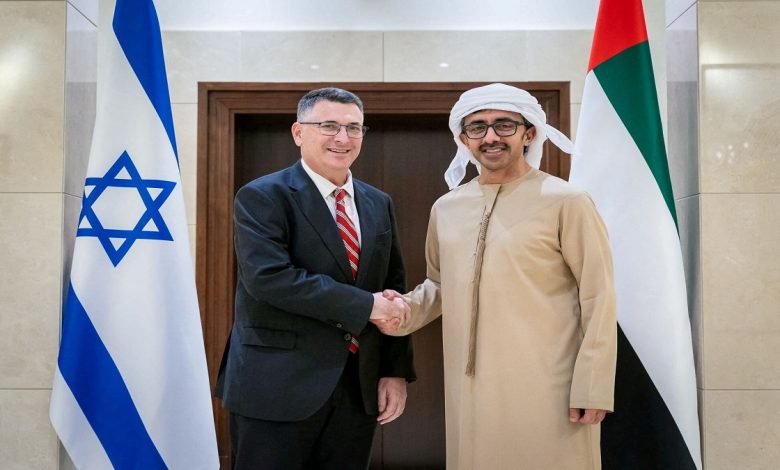
In a notable development reflecting the shifting dynamics of Middle Eastern diplomacy, the United Arab Emirates (UAE) and Israel have reached an agreement to send humanitarian aid to the people of Gaza. The initiative, which aims to alleviate the growing humanitarian crisis in the region, marks a rare moment of cooperation between the two countries on a matter involving Palestinian civilians.
According to official statements, the first phase of this aid delivery will focus on providing essential items, including baby care supplies, food rations, and support for bakeries to ensure the availability of bread and basic foodstuffs. It is estimated that approximately 15,000 individuals in Gaza will directly benefit from this initial round of assistance.
The agreement was reached following a phone conversation between Sheikh Abdullah bin Zayed Al Nahyan, the UAE’s Deputy Prime Minister and Minister of Foreign Affairs, and Gideon Sa’ar, Israel’s Minister of Foreign Affairs. Both diplomats emphasized the urgent need for humanitarian action and the importance of international cooperation in responding to the crisis.
Humanitarian Aid Amid Crisis
Gaza has long been a flashpoint of tension and hardship, with its residents often caught in the crossfire of political and military conflict. Over the past several months, conditions have deteriorated further due to restricted access to essential goods, rising food insecurity, and collapsing infrastructure.
This collaborative aid effort is designed to address some of the most immediate and severe needs, with a special focus on vulnerable populations such as children, infants, and the elderly. The inclusion of baby formula, diapers, and nutritional food supplies is a direct response to reports from humanitarian agencies operating in the region, which have consistently highlighted the dire state of maternal and child health services in Gaza.
Bakeries in Gaza, once a cornerstone of daily food access for millions, have faced immense challenges in recent months. Shortages of flour, fuel, and equipment have rendered many of them inoperable. The UAE’s initiative will not only provide raw materials but also help repair and restore some of these vital facilities.
Diplomatic Significance of UAE and Israel
The cooperation between the UAE and Israel on this humanitarian initiative is particularly noteworthy given the complex political backdrop. While the two countries normalized relations under the Abraham Accords in 2020, their policies and positions regarding Gaza and the Palestinian situation have historically diverged.
This agreement signals a pragmatic approach, showing that despite differing political views, humanitarian issues can provide a common ground for action. It also reflects the UAE’s growing role as a regional humanitarian actor, having previously dispatched aid to conflict zones in Yemen, Syria, and Sudan.
Moreover, the effort may help Israel demonstrate a willingness to support civilian aid to Gaza, countering criticism from the international community regarding its role in the region’s humanitarian challenges.
A Lifeline for Thousands
Humanitarian agencies, including the United Nations Relief and Works Agency (UNRWA) and the International Committee of the Red Cross (ICRC), have welcomed the news of additional aid, though they stress that this effort must be sustained and expanded to truly address Gaza’s long-term needs.
According to the United Nations, over 80% of Gaza’s population relies on humanitarian assistance, and more than half of all residents live below the poverty line. Chronic unemployment, lack of clean water, and frequent electricity outages make daily life incredibly difficult.
The UAE’s delivery of aid—particularly if done transparently and in cooperation with established aid organizations—could provide a much-needed lifeline to thousands of families who have been waiting for relief.
Broader Implications for Peace and Stability
While the current initiative is humanitarian in nature, its broader diplomatic impact cannot be ignored. Cooperation between Israel and the UAE may help build trust and pave the way for future discussions on more complex and politically sensitive issues, including long-term solutions for the Palestinian people.
There is also potential for this partnership to serve as a model for other countries in the region. As tensions continue to simmer across the Middle East, collaborative efforts like these can shift the narrative from confrontation to compassion, from conflict to coordination.
Furthermore, this agreement aligns with the growing global call for nations to set aside differences in times of humanitarian crisis. In a world facing overlapping emergencies—from war zones to climate disasters—the ability of two politically distinct nations to collaborate for the good of a civilian population is a hopeful sign.
Looking Ahead
As the first shipments of aid are prepared for delivery, attention will turn to how effectively the distribution process is managed. Transparency, speed, and coordination with local agencies will be critical in ensuring the aid reaches those who need it most.
If successful, this initiative could be expanded, potentially incorporating medical supplies, clean water systems, and support for hospitals and clinics. The UAE has expressed openness to scaling its efforts depending on the situation on the ground and the response from partner organizations.
For now, the joint UAE-Israel humanitarian aid to Gaza stands as a rare moment of unity in a region too often defined by division. While it won’t solve the crisis overnight, it is a meaningful step—one that prioritizes human life over political rivalry.