
What Pakistan’s 27th Amendment Means for Power and Parliament
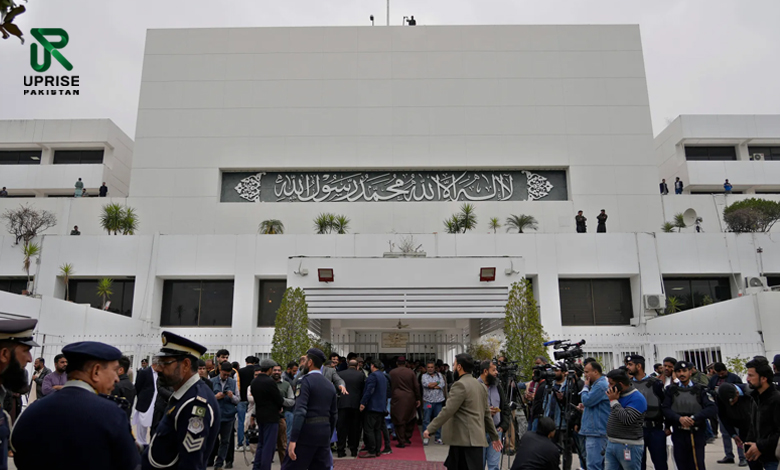
When Pakistan’s government introduced the 27th Amendment, debates lit up across the country. Lawmakers called it a “new step for balance,” while critics warned of “hidden centralization.” But what exactly does it mean for ordinary Pakistanis? And how will it reshape the country’s power system and Parliament itself? The Amendment touches everything from provincial rights to the prime minister’s authority.
It may sound like dry politics, but it affects how people’s voices reach power. Here’s a breakdown of what’s changing, why it matters, and what experts say comes next for Pakistan’s fragile democracy.
What The 27th Amendment Is All About
The 27th Amendment Bill aims to “streamline” relations between Pakistan’s Parliament, provinces, and the federal government. It is one of the most talked-about constitutional changes since the 18th Amendment of 2010, which gave provinces more autonomy.
But unlike the 18th Amendment, the new proposal gives stronger decision-making power back to the federal center. Officials say it’s meant to improve coordination and end confusion between Islamabad and provincial governments. Critics, though, fear it might reduce provincial independence, especially on issues like education, health, and energy.
Why The Government Says It’s Needed
Supporters of the 27th Amendment argue that Pakistan has struggled with overlapping powers. Provinces often control resources, but the center is blamed when things go wrong.
Officials believe the new amendment will:
- Create a clearer chain of responsibility between provinces and the federation.
- Make budgeting and development projects more efficient.
- Allow Parliament to play a stronger oversight role.
- Reduce what leaders call “administrative deadlock” in key ministries.
A senior cabinet member said, “We’re not taking power from provinces. We’re ensuring power actually works.”
Why Critics Are Worried
Not everyone agrees. Opposition parties, lawyers, and civil society groups say the amendment risks undoing years of decentralization. They argue that the 18th Amendment was a hard-won reform that gave provinces fair control over their resources.
Many experts believe the 27th Amendment could quietly reverse that balance. It may allow the Prime Minister’s Office to override provincial decisions through new “federal coordination powers.”
Political analyst Ayesha Siddiqa told reporters, “Pakistan’s problem is not too much provincial power — it’s too little accountability. This Amendment shifts focus from people to bureaucracy.”
| Clause | What It Proposes | Possible Impact |
| Article 70A | Adds new “federal oversight committees” for national projects | May reduce provincial say in big projects |
| Article 147A | Allows temporary federal control in emergencies | Could centralize crisis management |
| Article 160 (Revised) | Alters the National Finance Commission’s resource formula | Provinces may get smaller shares |
| Article 172 (Updated) | Grants federal authority over new natural resources | Could affect provincial royalties |
How Parliament Reacted
In Parliament, the debate was loud and emotional. Some members from smaller provinces — especially Balochistan and Sindh — walked out in protest. They warned that giving too much power to Islamabad could deepen regional mistrust. Government allies, however, cheered the move as a “reform for the next generation.” They said it would help national planning and attract investors who need a unified legal structure.
The Speaker of the National Assembly called it “an important conversation on governance, not politics.” Still, even within the ruling coalition, some lawmakers asked for more consultations before the final vote.
What Legal Experts Say
Lawyers note that constitutional amendments are meant to build consensus, not just majority votes. Pakistan’s Constitutional Reform Committee usually holds provincial hearings before passing big changes.
Former Supreme Court judge Nasir Aslam Zahid warned that rushing the process could cause future lawsuits. He said, “You can’t fix a power imbalance by making another imbalance.”
Many constitutional scholars are calling for a joint review by the Senate and provincial assemblies before the Amendment becomes law.
The Civil-Military Angle
Pakistan’s politics always includes one more layer — the civil-military balance. Some analysts believe the 27th Amendment may indirectly strengthen the federal government’s coordination with the military establishment, especially during “national emergencies.”
This part makes many lawmakers uneasy. They worry it could give non-elected institutions more space in policy matters. However, supporters argue that better coordination improves stability and national security.
Why It Matters To Ordinary Pakistanis
It’s easy to think constitutional amendments don’t affect daily life. But this one will. Provincial budgets decide schools, hospitals, and local infrastructure. If funds or powers shift, so do services.
For example:
- A centralized education plan could mean the same school policies across provinces — but fewer local adjustments.
- In health care, provincial hospitals might lose some funding control.
- For energy and natural resources, royalties that help small towns could be redirected.
So, the debate isn’t just about politics — it’s about livelihoods.
What Happens Next
The bill has been presented in the National Assembly and will go to the Senate for review. If two-thirds of both Houses approve, it will become law. Until then, experts and activists are urging more dialogue.
Civil society groups want public hearings before a final vote. Provincial assemblies are also drafting resolutions to express their stance. The next few weeks will show whether the government chooses consultation or confrontation.
A Test For Pakistan’s Democracy
The 27th Amendment is not just about new rules — it’s about trust. It tests whether Pakistan’s leaders can reform without silencing others. For supporters, it’s a step toward efficiency. For critics, it’s a warning sign of creeping central control. Either way, this Amendment will shape how power flows in Pakistan for decades. And for a democracy still finding its balance, that’s no small change.


