
World’s Whitest Paint Reflects 98% of Sun’s Rays to Cool Homes
The Breakthrough in Paint Technology
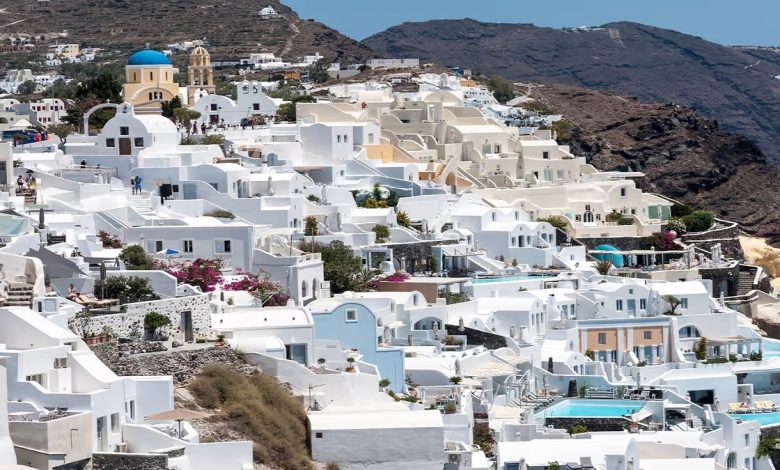
Scientists have achieved a groundbreaking innovation by developing the world’s whitest paint, capable of reflecting an astonishing 98% of the sun’s rays. This new whitest paint isn’t just about aesthetics; it represents a powerful tool in the quest for energy efficiency and sustainability. By minimizing the amount of heat absorbed by surfaces, this whitest paint can significantly cool buildings, offering a practical and eco-friendly solution for combating rising global temperatures.
How the Paint Works
The science behind this ultra-white paint lies in its ability to reflect almost all the sunlight that hits it. Traditional paints, even those labeled as “cooling” or “reflective,” typically reflect only a portion of the sun’s rays, allowing some heat to penetrate the surface. However, this new paint takes reflectivity to a whole new level by sending nearly all sunlight back into the atmosphere.
By reflecting 98% of solar radiation, this whitest paint reduces the amount of heat that buildings absorb. As a result, indoor temperatures can drop by several degrees, especially in sun-exposed areas like roofs and exterior walls. This natural cooling effect means that homes and buildings can stay cooler without relying heavily on air conditioning systems, thereby cutting down on electricity use and lowering utility bills.
Energy Efficiency and Cost Savings
One of the most significant advantages of this whitest paint is its potential to reduce energy consumption. During hot summer months, air conditioning units often run continuously to maintain comfortable indoor temperatures, leading to high energy costs and increased strain on power grids. The ultra-white paint offers a sustainable alternative by keeping buildings cooler naturally, which can drastically reduce the need for air conditioning.
Studies have shown that applying this whitest paint to a building’s exterior can lower indoor temperatures by up to 8 degrees Fahrenheit (about 4 degrees Celsius). This reduction in temperature not only translates to lower energy bills but also decreases the wear and tear on cooling systems, potentially extending their lifespan and reducing maintenance costs. For homeowners and businesses alike, this paint could be a game-changer, leading to significant savings over time.
A Tool against Climate Change
Beyond its immediate benefits for homeowners and businesses, the world’s whitest paint has broader implications in the fight against climate change. Buildings account for a significant portion of global energy consumption, much of which is used for cooling and heating. By reducing the need for air conditioning, this paint directly contributes to lower energy demand, which in turn reduces greenhouse gas emissions from power plants, especially those that burn fossil fuels.
Moreover, widespread adoption of this whitest paint could have a cumulative cooling effect on urban areas. Cities, with their abundance of dark, heat-absorbing surfaces, are particularly susceptible to the “urban heat island” effect, where temperatures are higher than in surrounding rural areas. Coating buildings with this ultra-reflective paint could help mitigate this effect, making cities cooler and more comfortable places to live.
The Science behind the Paint
So, what makes this whitest paint so white and reflective? The secret lies in its composition. The paint is made from a high concentration of barium sulfate, a compound commonly used in photo paper and cosmetics. Barium sulfate has high reflectivity properties, which means it scatters light effectively. The paint’s formulation includes varying particle sizes of barium sulfate, allowing it to scatter different wavelengths of sunlight, further enhancing its reflective capability.
Additionally, the paint’s ultra-white color is achieved without the use of pigments or dyes, which can degrade over time. This ensures that the paint remains effective for years, maintaining its cooling properties and providing long-term benefits.
Future Applications and Potential
The development of this paint is just the beginning. Researchers are exploring various applications beyond residential and commercial buildings. For instance, this paint could be used on vehicles, particularly those exposed to the sun for extended periods, to keep interiors cooler and reduce the need for air conditioning while driving.
There is also potential for its use in industrial settings, such as warehouses and factories, where maintaining a controlled climate is crucial. By reducing the internal heat gain, businesses could see significant savings in operational costs and improved working conditions for employees.
A Step toward a Sustainable Future
As global temperatures continue to rise and the demand for energy grows, innovative solutions like the world’s whitest paint become increasingly essential. This paint offers a simple, yet highly effective way to make buildings more energy-efficient and reduce our carbon footprint. By embracing such technologies, we can move toward a more sustainable and environmentally friendly future.
Conclusion: Embracing the Cool Revolution
The invention of the world’s whitest paint is more than a scientific curiosity—it’s a practical tool that can help us tackle some of the most pressing environmental challenges of our time. From reducing energy consumption and costs to lowering greenhouse gas emissions, this paint has the potential to make a significant impact. As we continue to innovate and adopt sustainable practices, every step counts in the fight against climate change. Let’s embrace this cool revolution and paint our way to a brighter, cooler future.


