Why Did Pakistan End Its India Boycott At The T20 World Cup?
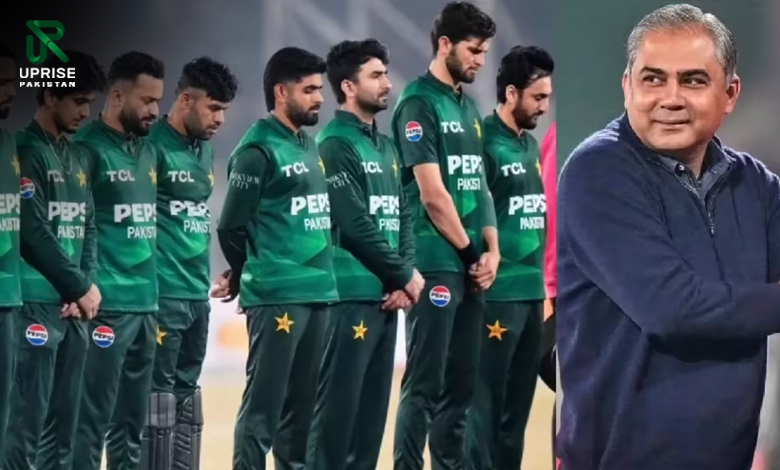
Rivalries can freeze, but they can also thaw. Pakistan initially announced it would skip India at the T20 World Cup. Then, after urgent discussions, it changed its mind. The match is back on, and fans exhaled in relief. Why the sudden change? Because cricket needs big games, solid plans, and fair rules. Additionally, neutral venues help when politics are tense. Ultimately, leaders listened to reason. They considered money, safety, and the spirit of the sport. As a result, Pakistan will face India in Colombo on February 15. This decision saved two points, maintained balance, and kept fans’ trust.
What Really Changed Behind Closed Doors
Talks in Lahore were important. Officials from the International Cricket Council, the Pakistan Cricket Board, and the Bangladesh Cricket Board met and eased tensions. Pakistan had threatened a boycott after Bangladesh pulled out of the India games. Then the ICC replaced Bangladesh with Scotland, which increased tensions. However, partners pressed for a solution that protected the schedule and fans. As a result, Pakistan agreed to play India at a neutral venue in Sri Lanka. This agreement kept the big match, lowered political tensions, and avoided a messy forfeit. Consequently, the tournament remained intact and credible. And yes, fans will see the game they expected on February 15 in Colombo.
Five Forces Behind Pakistan’s Decision
- Tournament fairness: The ICC said fixtures stand. Skipping would distort group points and rankings.
- Neutral venue: Sri Lanka offered security plans and a calmer setting. Colombo became the stage.
- Broadcast stakes: India–Pakistan drives global viewership and revenue. Losing it would hurt the event.
- Regional diplomacy: Meetings in Lahore urged a climbdown and cooler heads.
- Government green light: Islamabad lifted the order and told the team to play.
Because these forces aligned, Pakistan reversed course. Moreover, the choice protected fans, players, and sponsors. It also kept pressure off other fixtures. Finally, it showed that cricket can solve problems without deepening divides. The rivalry continues, but the tournament stays whole.
| Factor | Before | After | Why It Matters |
| Pakistan stance | Boycott signaled | Match back on | Avoids forfeit and chaos |
| Venue | Uncertain | Colombo, Sri Lanka | Lowers political heat |
| Schedule | In doubt | Confirmed and intact | Protects fairness |
| Viewership | At risk | Restored | Safeguards revenues |
| Diplomacy | Tense | Working | Shows flexibility |
Safety, Politics, And The Neutral Ground
Neutral Colombo reduced political heat and security risks. Assured policing, controlled travel, and clear crowd plans built trust. Thus, Pakistan could play India without escalation, preserving fairness and protecting fans.
Venue Assurance
Sri Lanka is prepared to host high-profile games with layered security measures—plans covered teams, travel, and spectator flow. Therefore, moving to Colombo eased fear and reduced pressure.
Political Distance
Playing outside India gave Pakistan room to step back from a hard line. Neutral soil lowered symbolic costs and made compromise easier. Hence, leaders could say yes without seeming weak.
Tournament Integrity
Preserving the match, competitive balance. A walkover would hand two points and warp standings. Integrity needs consistent rules, not ad hoc gaps. Consequently, everyone gained from a clean fix.
“We must protect the schedule and the spirit of cricket.”
The Money And Media Reality
Let’s be frank: India–Pakistan drives global attention. Broadcasters pay for that magnet. When Pakistan considered a no-show, the risk was obvious. Ratings would drop, sponsors would worry, and the event’s story would wobble. However, bringing the game back calmed partners and protected value. Moreover, fans get the moments they expect from a global World Cup. The ICC also avoided a precedent where politics rewrites fixtures midstream. Finally, stable schedules help every team prepare and recover. The media can now cover cricket, not only conflict. And sponsors can plan around a reliable calendar. In short, money did not decide everything, but it clearly mattered in the final equation.
How Diplomacy Unstuck The Standoff
- Lahore meetings: Boards and officials talked daily to restore trust.
- Appeals from partners: Co-hosts and neighbors urged a practical reset.
- Public clarity: India confirmed travel to Colombo, which added certainty.
- Face-saving path: Neutral ground allows each side to claim responsibility and exercise restraint.
- Outcome: Pakistan agreed to play; the fixture held firm.
Because these steps worked, the match returns without confusion. Furthermore, the approach offers a template for future flashpoints. Keep talking, use neutral sites, and protect fans first. That is not soft. It is smart. And it keeps sport from becoming a hostage to politics.
Cricket’s Practical Reset: Let The Players Play
This reversal shows how cricket solves hard problems. First, leaders respected the schedule. Second, they used neutral ground to cool tensions. Third, they protected fans and the sport’s biggest stage. Therefore, Pakistan’s decision to play India in Colombo feels both pragmatic and right. It avoids a forfeit, saves credibility, and honors the event. Moreover, it proves dialogue still works in a noisy world. The rivalry stays fierce, but the tournament stays fair. The rest should support that goal with safety, clarity, and patience. The World Cup moves forward, and the best stories now belong on the field.