
Why Is Rajasthan’s Jodhpur Called The Blue City: Must-Visit Attractions

Jodhpur, Rajasthan’s second-largest city, is famously known as the “Blue City,” and the name is no accident. As you wander through its old quarters, you’ll find houses painted in striking shades of indigo and azure, creating a mesmerizing sea of blue that glows under the desert sun. The origins of this tradition are layered with history and culture. Some say the blue paint was used by Brahmins to distinguish their homes, while others believe it helped keep houses cool in the scorching heat and ward off termites. Whatever the reason, the effect is enchanting, and it has become Jodhpur’s defining identity. (Image: Freepik)
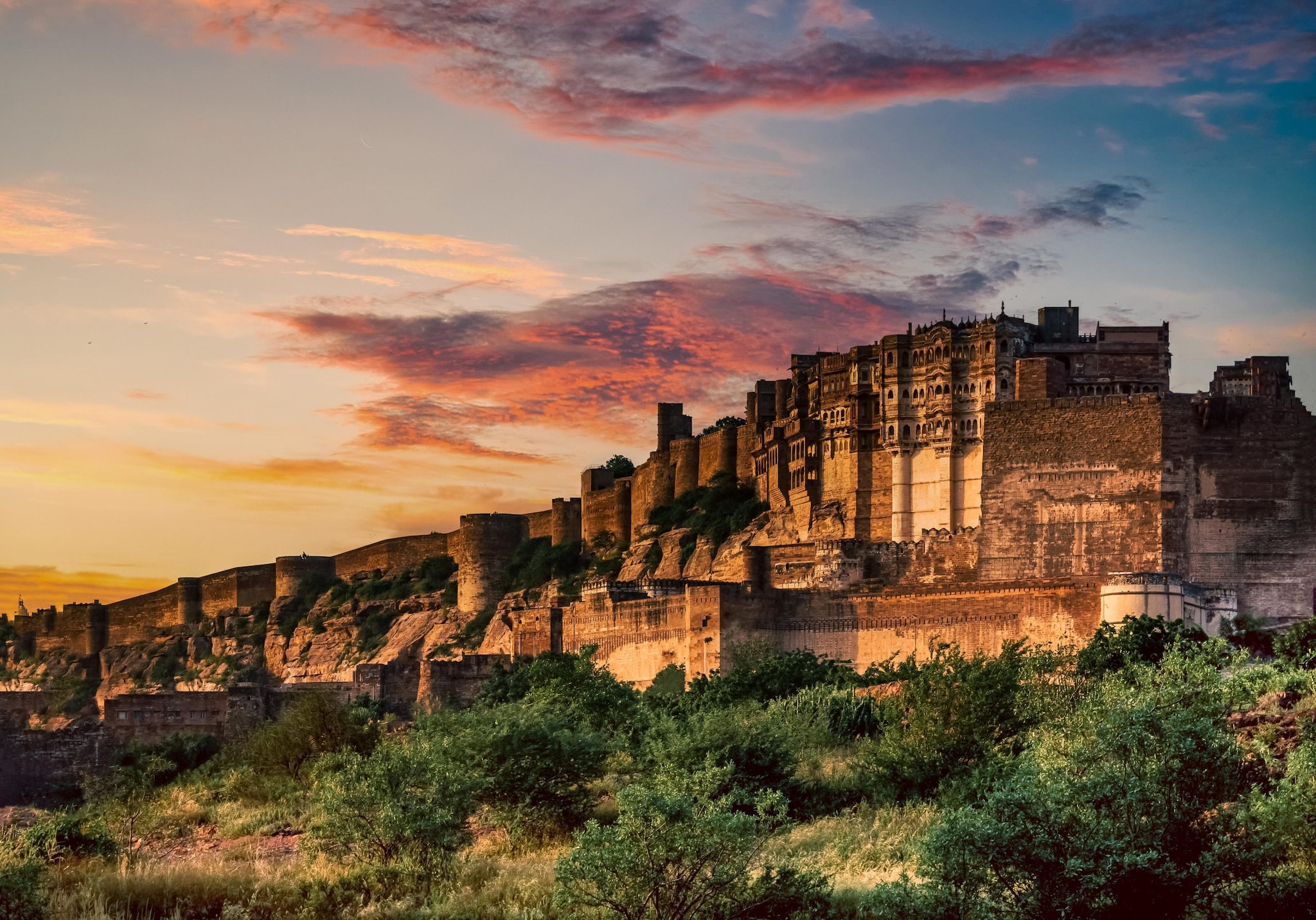
The best way to experience the Blue City is to start at Mehrangarh Fort, the colossal fortress that towers over Jodhpur. Built in 1459 by Rao Jodha, the fort offers panoramic views of the city’s blue houses sprawling beneath it. Inside, you’ll find intricately decorated palaces, courtyards, and museums showcasing Rajput weaponry, costumes, and art. (Image: Pexels)
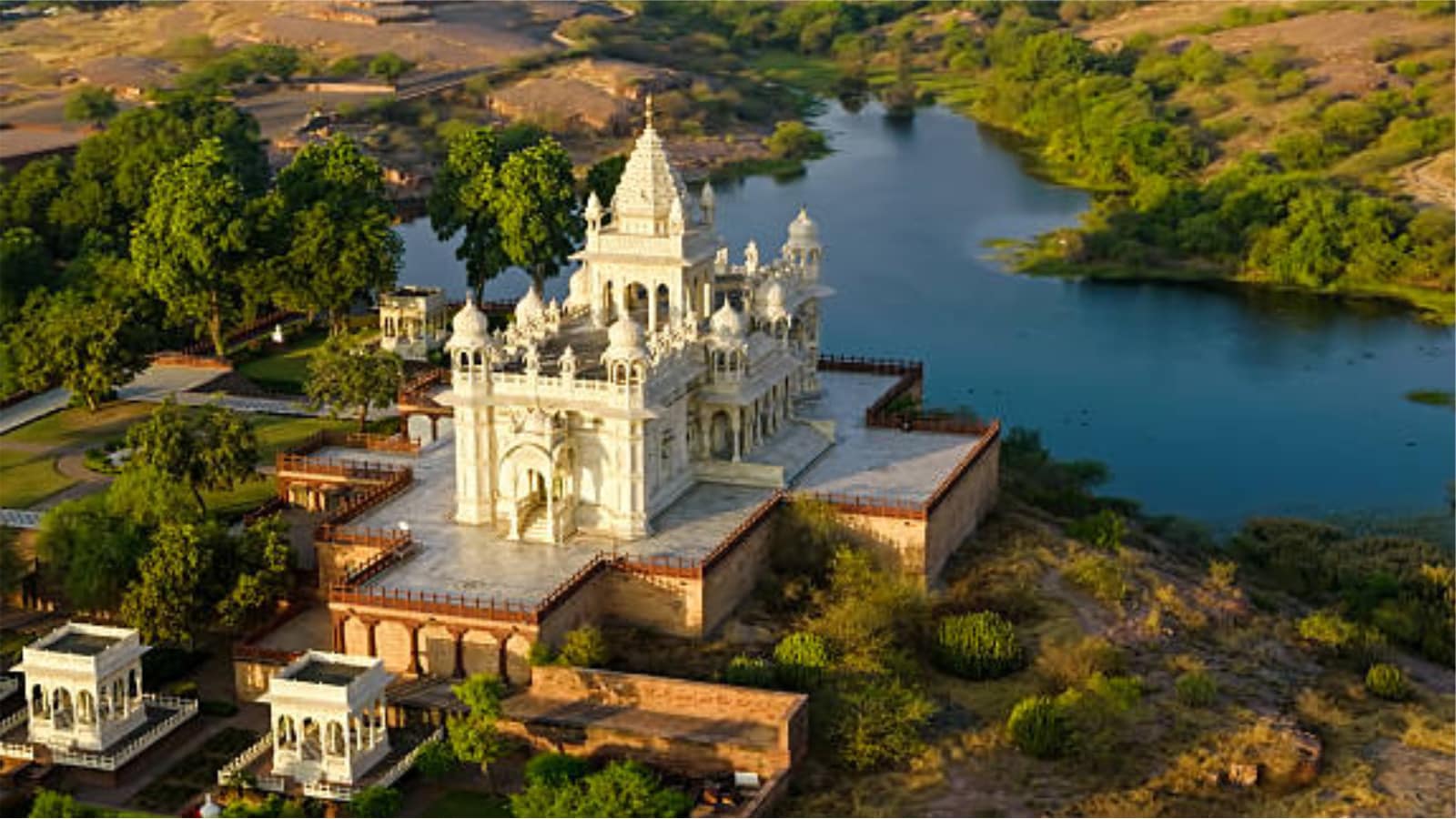
Just below the fort lies Jaswant Thada, a serene white marble cenotaph built in memory of Maharaja Jaswant Singh II. Its delicate carvings and peaceful gardens provide a striking contrast to the indigo lanes nearby. (Image: Pexels)
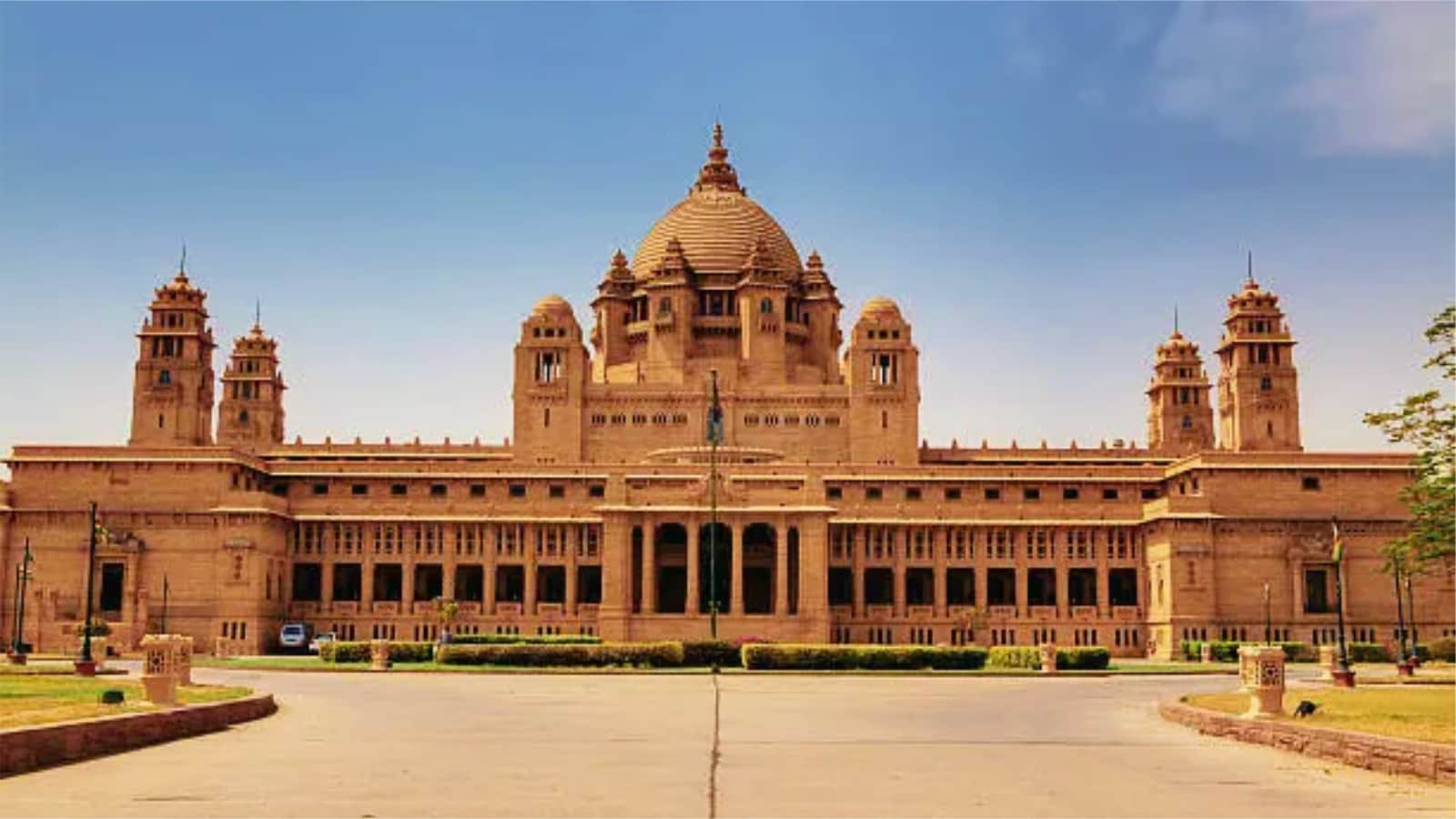
Another must-visit is Umaid Bhawan Palace, one of the largest private residences in the world. Part palace, part luxury hotel, and part museum, it offers a glimpse into royal life and the grandeur of the Marwar dynasty. For something more atmospheric, head to Toorji Ka Jhalra, Jodhpur’s historic stepwell. Restored in recent years, it has become a lively hangout spot surrounded by cafés and boutique shops, blending heritage with modern charm. (Image: Pexels)
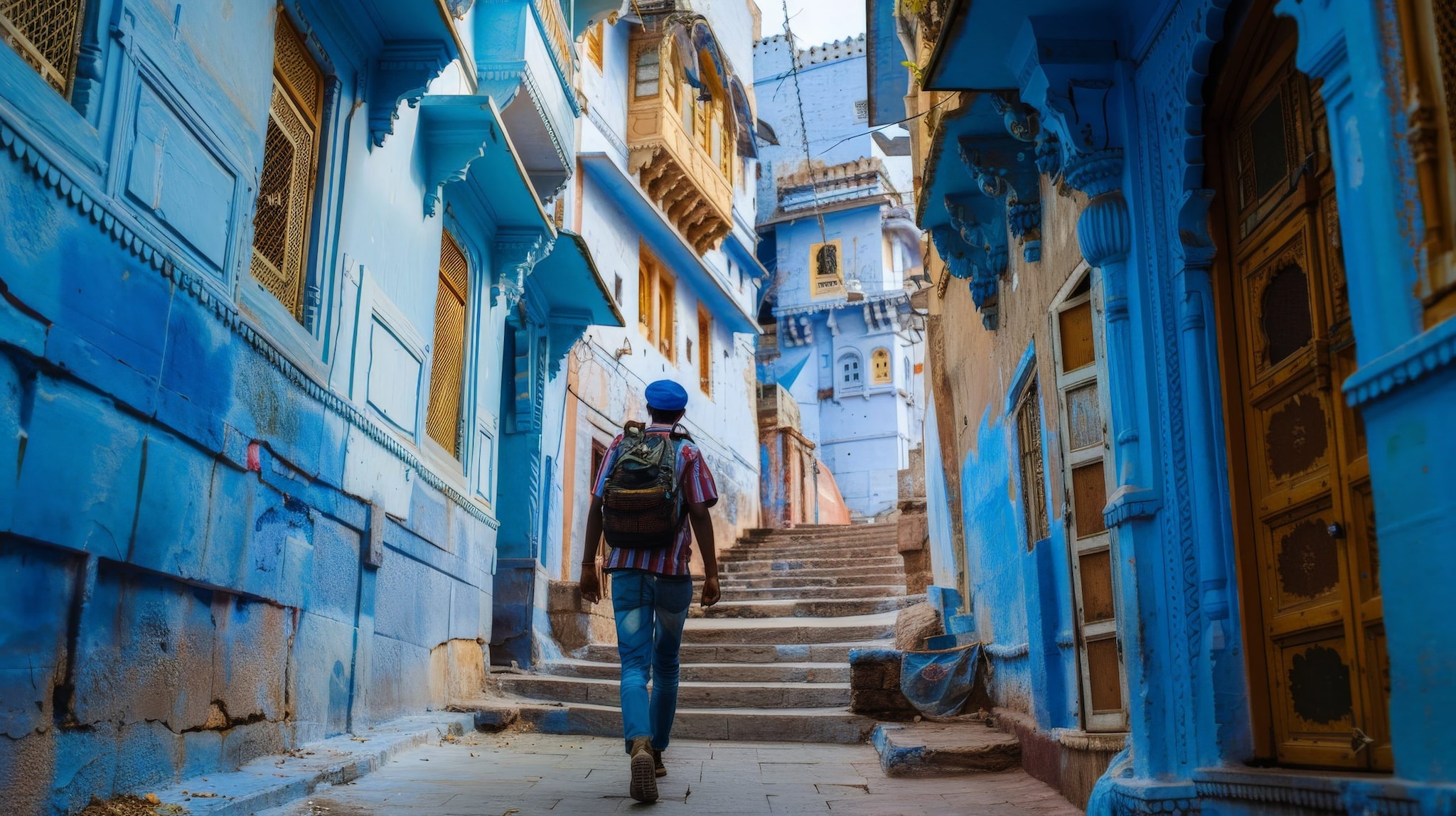
The blue lanes themselves are an attraction. Walking through the narrow alleys of the old city, you’ll encounter vibrant markets like Sardar Market near the Clock Tower, where spices, textiles, and handicrafts spill out of shops in a riot of color. The indigo-painted houses, stacked closely together, create a dreamlike backdrop for everyday life—children playing, vendors calling out, and locals welcoming visitors with warm “khamma ghani.” (Image: Freepik)
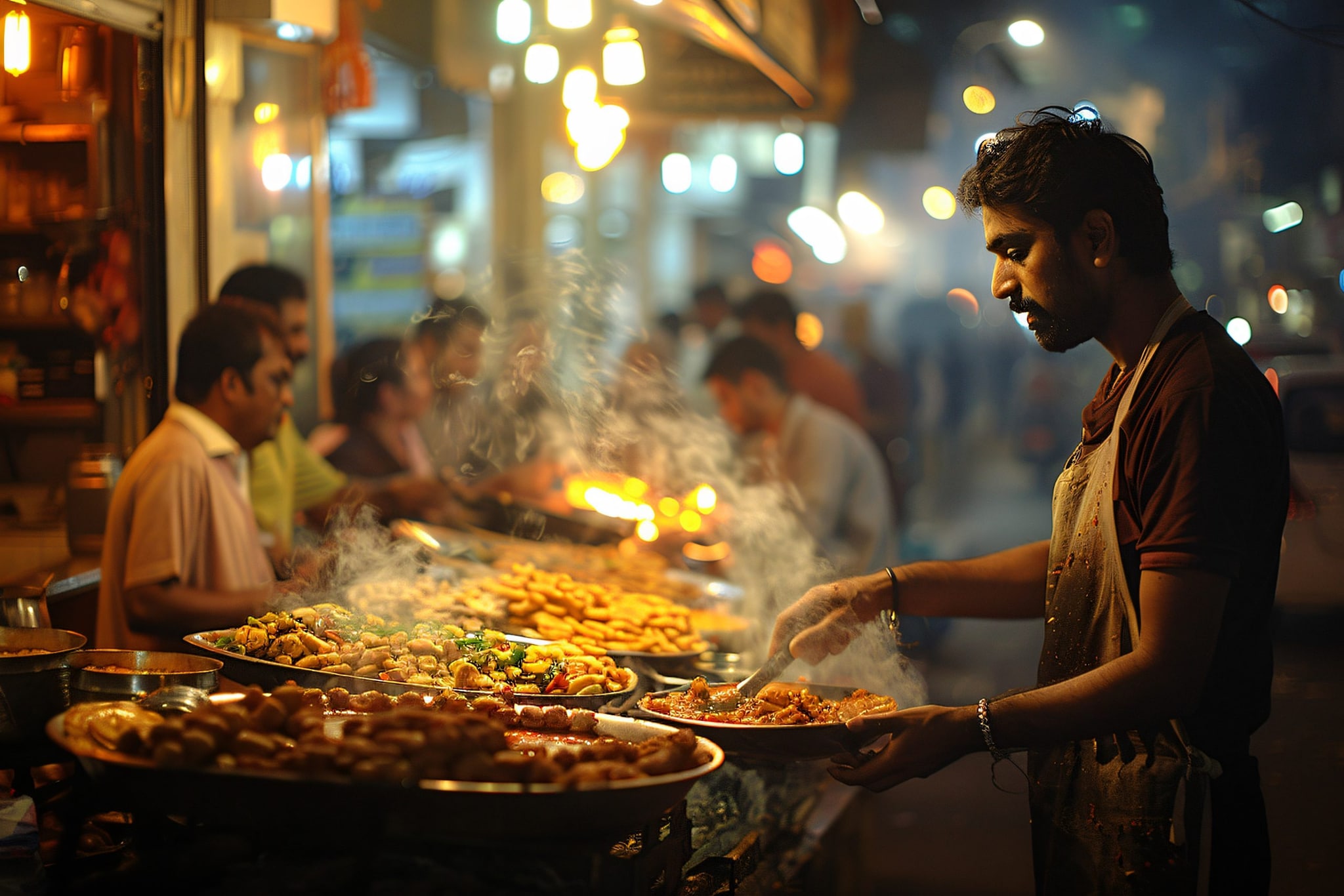
Beyond the monuments, Jodhpur’s food scene adds another layer to the experience. Street stalls serve up mirchi vadas, mawa kachoris, and refreshing lassi, making the exploration of the Blue City as much about taste as it is about sight. And when evening falls, rooftop cafés and terraces offer spectacular sunset views over the indigo skyline, with Mehrangarh Fort glowing golden in the background. (Image: Freepik)
Source link


