
Why Killing Khamenei Isn’t The Death Of Iran’s Islamic Republic
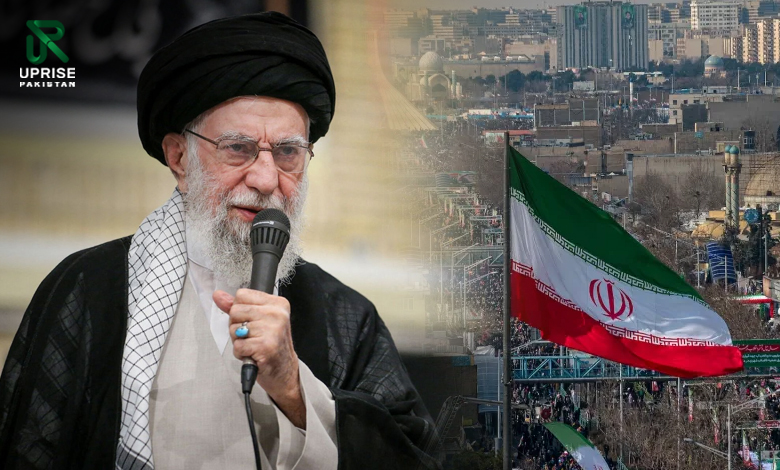
Killing Ayatollah Ali Khamenei would shake Iran, but it would not automatically end the Islamic Republic. Iran’s power does not sit in one office chair. It spreads across institutions that have spent decades preparing for crises, replacements, and internal shocks.
In recent reporting, analysts described the system as resilient because authority flows through overlapping clerical bodies, security networks, and state agencies, even during leadership turmoil. What changes more slowly is the machinery that keeps the state running, even when the top symbol disappears overnight.
The Islamic Republic Is Built Like A System
Iran’s political order runs on institutions, not one leader. Even a sudden vacuum at the top triggers procedures, power brokers, and continuity planning. Iran’s governance runs through layered institutions that can keep functioning even when the top figure disappears. The state’s authority moves through clerical bodies, elected offices, courts, and security agencies. That structure makes abrupt collapse less likely.
What keeps the structure standing
- Clerical councils and legal bodies that can issue directions
- State ministries that keep services, budgets, and payroll running
- Security forces that secure key sites and control unrest
- State media that drives a single message during a crisis
If institutions keep operating, the struggle shifts from “system ended” to “who controls the transition and writes the next rules.”
Iran’s Legal Path After a Supreme Leader
Iran’s constitution outlines what happens when the Supreme Leader is gone. Interim authority can form quickly, limiting chaos and preventing a true power void.
Interim Control Can Start Quickly
Iran’s system includes steps for temporary leadership while a replacement process begins. That framework helps the state keep decisions moving and prevents multiple centers from declaring themselves in charge. A clerical body holds formal responsibility to select a new Supreme Leader. While politics shapes outcomes, the procedure gives the state a legal track to follow.
Why Can The Process Still Hold
- A legal pathway for continuity and legitimacy
- An interim structure to manage urgent decisions
- A selection body that can claim religious authority
- A timeline that allows negotiation among power blocs
It cannot stop factional pressure. It only channels it through official steps.
The IRGC Doesn’t Vanish With One Leader
The Revolutionary Guard is a power center with its own command structure. Leadership loss can increase its influence, not reduce it. Iran’s security system has a deep reach across borders and inside society. In a shock event, it can control streets, protect facilities, and enforce order while politics catches up.
What The IRGC Can Do During A Transition
- Secure airports, broadcast centers, and government buildings
- Control escalation through deployments and warnings
- Back preferred figures through influence and leverage
- Lockdown unrest with rapid internal operations
A decapitation event can shift weight toward security institutions, creating a tighter state even while leadership changes.
A Strike Can Trigger Consolidation, Not Collapse
Assassinations often push systems to harden. Iran can respond with crackdowns, stronger messaging, and retaliation plans that unify key factions. After a major shock, governments tend to reduce debate and tighten command. Iran can use emergency steps, media control, and security pressure to close ranks.
Likely Immediate Moves
- Higher security presence in major cities
- Tighter controls on protests and political speech
- Faster arrests of suspected internal threats
- Stronger retaliation posture to deter future strikes
If the state frames the event as a national attack, it can rally supporters and suppress rivals under the banner of survival.
Successor Politics Can Swap Faces While The System Stays
The Islamic Republic can change leaders without changing its core structure. Power networks compete, but they usually agree on keeping the system intact. Succession fights often focus on who leads the same institutions, not whether those institutions continue. That is why leadership change does not automatically equal regime change.
What often decides the next leader
- Acceptability to security leadership
- Support among senior clerics
- Ability to manage conflict pressure
- Skill in projecting legitimacy quickly
The Real Danger Is Miscalculation During Transition
Even if the system survives, the transition phase can be unstable. Rival factions, public anger, and external pressure raise the risk of escalation. A state can persist while society becomes tense. Power struggles, economic pressure, and street reactions can trigger short-term volatility.
Triggers that can widen the crisis
- Factional fights over timing and authority
- Public protests fueled by grief or anger
- External strikes continue during succession
- Revenge-driven decisions made too quickly
Killing one leader can open a messy chapter, even if the Islamic Republic remains standing.
One Death Doesn’t Automatically End The State
Iran’s leadership matters, but the Islamic Republic rests on institutions built for continuity. A major assassination could produce succession conflict, tighter security control, and heightened external confrontation. The core system can endure even as it reshuffles power at the top. The outcome depends less on one person’s absence and more on how Iran’s security organs, clerical bodies, and political factions manage the transition under pressure.


