
Yemen Faces Worst Food Crisis Since 2022, Aid Group Warns
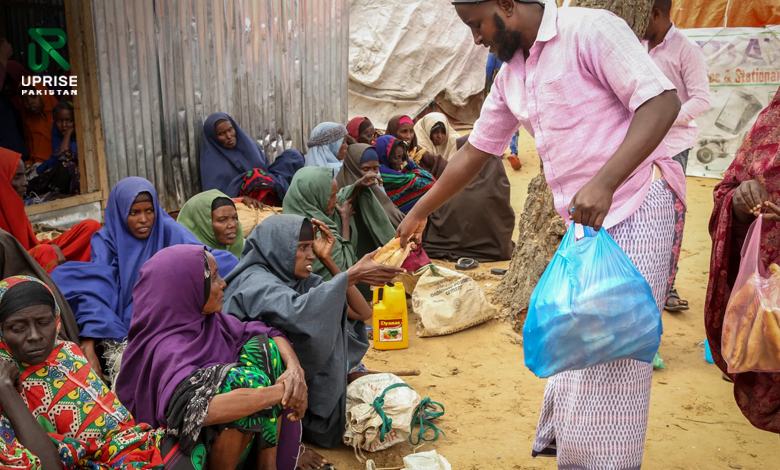
Hunger is stalking Yemen again, and the worry feels new. Parents skip meals so children can eat. Yet children still go to bed hungry. Prices keep rising, while paychecks shrink or vanish. Markets stay open, but many baskets remain empty. Clinics treat thin toddlers with quiet urgency. Meanwhile, aid trucks face delays and long detours. Some routes open, then suddenly close again. Still, people hold on and hope for help.
Why Food Insecurity Is Rising
Multiple pressures are pushing Yemen back toward severe hunger. To start, a frail economy leaves households with less cash. Prices for food and fuel climb faster than pay, so basic baskets become unaffordable. Meanwhile, fighting disrupts fields, markets, and transport lines; farmers lose water and tools, and yields fall.
In addition, funding shortfalls force agencies to scale back rations, so fewer families receive monthly support. Damaged roads and ports also slow deliveries, forcing detours that raise costs and spoil goods. Finally, droughts and sudden floods strike at planting and harvest time, wiping out crops. Taken together, these overlapping shocks squeeze incomes, shrink supplies, and spread hunger across communities.
How Aid Groups Measure Hunger
Aid teams use clear tools to track hunger and target help.
IPC scale
They rate areas from Minimal to Famine. Because the scale is shared, planners compare regions and plan supplies. When areas reach Crisis or Emergency, teams surge food and nutrition care.
Household impact
Workers also survey homes. They ask about meals, diet diversity, and coping actions. For example, do families skip dinners or sell assets? With these answers, teams learn who needs urgent help. Then they map gaps across districts and towns. In addition, clinics screen children for wasting and anemia. Therefore, leaders can set priorities fast and adjust as needs change.
| Indicator | What it shows | Why it matters |
| Food prices | Cost of staples | Signals stress on family budgets |
| Meal frequency | Meals per day | Reveals coping and hunger depth |
| Child wasting | Acute malnutrition | Flags life-threatening risks |
| Market access | Roads and supply | Guides delivery routes |
What Families Need Most
Families repeat the same urgent needs. Therefore, responders focus on simple, proven steps:
- Regular food baskets. They cut hunger and protect savings.
- Cash transfers. They let families choose and boost local shops.
- Nutrition care for kids. Ready-to-use foods save young lives fast.
- Clean water and hygiene. They prevent disease and protect nutrition.
- Health services. Vaccines and basic care reduce deadly risks.
Because timing is critical, deliveries should follow a steady calendar. Moreover, clear communication helps families plan meals and money. When communities join planning, access improves, and waste falls. Finally, strong safeguards keep aid neutral and fair for everyone.
Barriers That Slow Aid
Even the best plans face real barriers on the ground. Thus, teams prepare for delays and adjust fast:
- Damaged roads and bridges. Trucks detour, which raises costs and risks.
- Checkpoints and permits. Delays spoil food and slow clinics.
- Port and fuel issues. Shortages reduce transport and cold storage.
- Weather shocks. Floods and droughts hit crops and routes.
- Funding gaps. Sudden cuts force ration reductions.
Because these barriers stack up, agencies build backup routes and stocks. They pre-position supplies before storms. They also train local staff to solve problems quickly. Moreover, open data with communities builds trust and speeds repairs.
A Narrow Window To Act
Yemen’s food crisis is not abstract. It hurts real families today. While markets move, many people still cannot afford enough food. Regular food baskets, cash support, and child nutrition care save lives quickly. In addition, open routes and steady funding keep pipelines strong. Because the window is narrow, timing matters as much as money. If deliveries stay predictable, families can cope and recover. If delays grow, losses rise fast, especially for children. Therefore, partners should align plans, share data, and protect neutral access. With focus and urgency, Yemen can step back from the brink.


