
Experts Fear Polio is Spreading Undetected in Gaza
Experts fear polio is spreading undetected in Gaza, with WHO warning of a high risk of international spread if not addressed promptly.
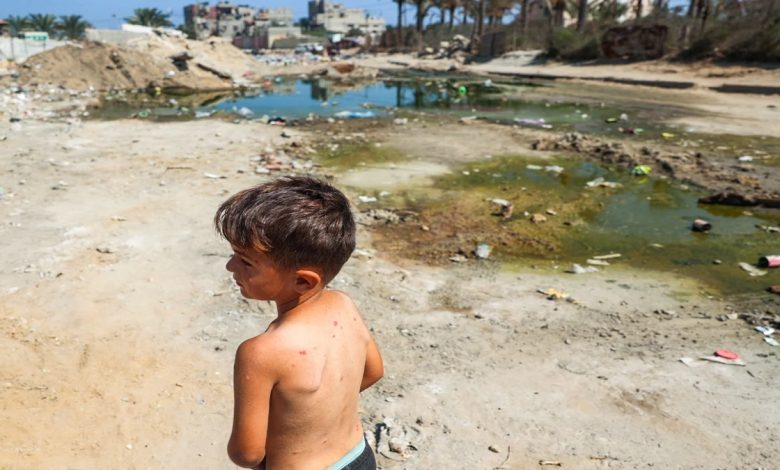
The World Health Organization (WHO) has issued a stark warning about the “high risk” of polio spreading within Gaza and potentially beyond its borders if the current outbreak is not addressed swiftly and effectively. This alert has heightened concerns among humanitarian groups and public health experts worldwide.
Alarming Detection in Gaza Wastewater
Recent tests have revealed the presence of the poliovirus in wastewater samples from Gaza, raising alarms about an undetected spread. The already war-ravaged enclave suffers from poor sanitation, a deteriorating healthcare system, and significantly reduced vaccination rates, creating a precarious situation for managing an outbreak of this highly contagious disease.
Dire Predictions from Health Experts
Dr. Mithqal Abutaha, the program manager of Project HOPE, a global health NGO operating clinics in the affected areas, expressed grave concerns. He emphasized that an outbreak would be disastrous given the current conditions in Gaza. While no human cases have been confirmed yet, the capacity of Gaza’s healthcare system to test and respond to such an outbreak remains highly questionable.
Crumbling Healthcare Infrastructure
The Global Polio Eradication Initiative, affiliated with WHO, has reported that out of the 36 hospitals in Gaza, only 16 are partially functional, and less than half of the primary care facilities are operational. This critical lack of infrastructure severely hampers the region’s ability to manage and contain a potential polio outbreak.
Positive Tests in Key Areas
Ayadil Saparbekov, the team lead for health emergencies at WHO in Gaza and the West Bank, confirmed that wastewater samples from Deir al-Balah and Khan Younis tested positive for circulating vaccine-derived poliovirus type 2. This discovery underscores the urgent need for a prompt and optimal response to prevent further spread.
Delayed Detection and Response
The positive results from the wastewater samples were available on July 16, but the samples had been collected on June 23, indicating a significant delay. Sean Carroll, president and CEO of Anera, a humanitarian NGO active in Gaza, highlighted the potential for substantial spread during this period, emphasizing the critical nature of timely detection and intervention.
The Vaccine Strain Link
The poliovirus strain detected in Gaza is linked to an oral polio vaccine still used in some parts of the world but discontinued in the U.S. since 2000. This vaccine contains a weakened but live form of the virus, which can be excreted in the stool. This presents a significant risk in Gaza, where sanitation standards have drastically declined, especially after Israel cut off water, electricity, and fuel supplies following the Hamas attack on October 7.
Vulnerable Gazan Children
Before the conflict between Israel and Hamas escalated, immunization coverage against polio in Gaza was robust. However, the ongoing war has severely disrupted these efforts, leaving many children vulnerable to the disease. The current situation calls for immediate international intervention to prevent a potentially catastrophic outbreak.
Call to Action
Given the dire circumstances and the high risk of polio spreading, it is imperative for international organizations and governments to collaborate and provide the necessary resources to combat this threat. Effective sanitation measures, robust healthcare infrastructure, and widespread vaccination campaigns are crucial to controlling and ultimately eradicating polio in Gaza and preventing its spread beyond the region.


