
Did The State Have The Right To Shoot Protesters? TLP March Raises Ethical Alarm
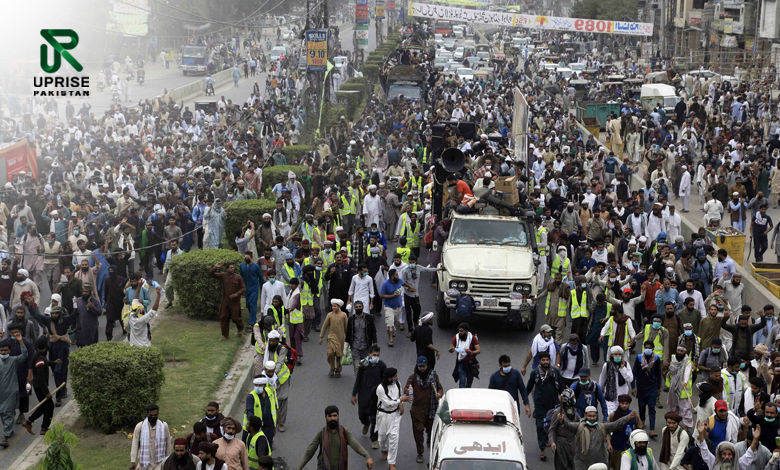
On October 12, 2025, the streets of Lahore and Muridke were a mess. A gathering of Tehreek-i-Labbaik Pakistan (TLP) supporters marched toward Islamabad, calling it the “Gaza March.” Their goal was to show support for the Palestinians. But what started as a peaceful protest turned into a fight.
The police fired bullets. Protesters died. Others were hurt. Many now ask: Did the state have the right to shoot? Was this force justified? These questions have sparked a national ethical debate — one that we must not ignore.
What Really Happened In The TLP March?
As the news reported, more than 112 police officers were injured during violent clashes. Police shots hurt over 50 people and killed 11, according to the TLP. When TLP workers are said to have taken police officers in Shahdara, the situation got worse. Throwing bricks, attacking from roofs, and damaging public property were all things that protesters did. Police responded with tear gas — and then, with live rounds.
“They appeared trained,” said one police officer. “Many carried sharp weapons and wore brick-filled bags.”
Police officials also claimed protesters snatched vehicles, blocked metro routes, and assaulted officers using iron rods and clubs. The state labeled them violent agitators. But does that justify shooting them?
Use Of Force: What Does The Law Say?
When it comes to protests, police are allowed to maintain peace — but only with necessary force. Actual bullets should only be used as a last resort in Pakistan. According to the UN Basic Principles on the Use of Force by Law Enforcement:
“Lethal force may only be used when strictly unavoidable to protect life.”
Was the force used in Muridke truly the last option? Or did it cross the ethical line? The police argue they were defending themselves. But critics say firing on citizens — even violent ones — demands full accountability.
Ethical Alarm Bells Are Ringing
It’s not just about the rules. It has to do with morals. People at the protest may have broken the law, but they were still citizens. When people shoot to kill, a protest turns into a tragedy.
This scenario is morally tricky because of the following:
- Intent vs. action: Even if protesters were violent, did they intend to kill?
- Accountability: Were officers trained to handle large protests without lethal force?
- Transparency: Has the government launched a fair investigation?
If the answers are unclear, then the public has every right to question the state’s actions.
Public Opinion: Divided And Distrustful
When the state fires on its people, trust breaks. And when protesters respond with violence, it erodes democracy. Both sides lose. Citizens begin to fear both the state and each other. If Pakistan wants peace, it needs transparency and fairness. Not silence. Not bullets.
| Event | Result |
| Protest turns violent | 11 protesters killed |
| Police fire live rounds | 50+ wounded, outrage sparked |
| Public roads blocked | Businesses and travel are disrupted |
| Trust in law enforcement | Deeply shaken |
Was The Government Justified In Using Deadly Force?
The government’s decision to use force — including live fire — against the TLP protesters raises serious ethical and legal concerns. While the state must keep order and protect people, bullets should be the last resort.
The protesters were disruptive and at times violent, but firing into crowds blurs the line between control and cruelty. This choice risks innocent lives and erodes public trust. If the goal was peace, then the response may have caused more harm than good.
Lessons For The Future
This situation teaches us many hard lessons:
- Protest rights must be respected.
- Police need better crowd-control training.
- The government should act early to prevent escalation.
Had officials opened talks earlier, lives might have been saved. Police might not have used as much force if protesters hadn’t struck.
Was It Worth The Cost?
Every country faces protests. How a nation handles them shows its true character. Shooting protesters should never be easy. In the TLP case, both sides may be wrong — or right — but the loss of life cannot be ignored. Governments must find better ways to listen. Protesters must avoid violence. Both must meet in the middle. Peace is not weakness. It’s the strongest stand anyone can take.
As people, we need to hold protests and the government to a high moral standard. This is how democracies stay alive. Martin Luther King Jr. said, “A riot is the language of the unheard.” But silence from the state only makes it worse.


