
Ceasefire Or Calm Before The Storm? Pak-Afgan Border Tensions Ease—For Now
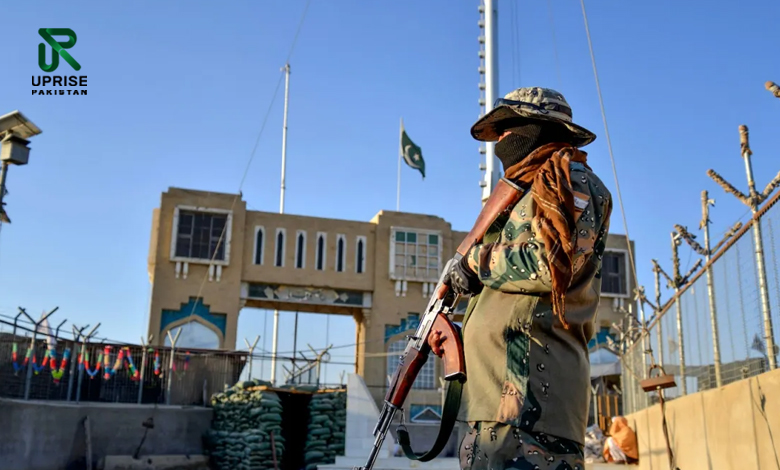
A fragile calm now remains over the Pakistan-Afghanistan border, months after deadly clashes erupted. On October 12–13, 2025, both sides reported heavy losses and mutual shelling that disrupted life in border towns.
Then, diplomacy and pressure pushed a 48-hour ceasefire into place. Still, many ask: Is this peace or silence before a new wave of violence? An overview of the factors behind the ceasefire, signs of possible instability, and what border communities hope will follow.
What Led To The Ceasefire?
In mid-October, Pakistan and Afghanistan exchanged heavy fire along multiple sectors, including Kurram and Chaman‑Spin Boldak. Reports claim dozens died on both sides. Pakistan responded with airstrikes and artillery. Afghan sources reported over 12 civilian deaths in retaliation operations.
External Mediation & Diplomatic Pressure
Soon after, Qatar and Saudi Arabia intervened and urged both governments to halt hostilities. Afghanistan’s foreign minister announced a temporary ceasefire beginning October 12. Pakistan agreed to a “pause in fighting” unless violations occurred.
Border Crossings Shut, Civilians Displaced
Trade links shut almost immediately, and the Torkham and Chaman crossings closed. Residents began fleeing towns near border zones amid shelling fears, straining the border population and economy and adding urgency to a truce.
Is The Ceasefire Real Or Temporary?
- Frequent violations: Even after the ceasefire began, reports of stray gunfire emerged.
- No trust on either side: Each side accuses the other of plotting new raids.
- Militant presence unresolved: Pakistan claims militants operate from Afghan territory. Kabul denies major bases.
- Battle fatigue: Soldiers and border guards are exhausted after recent heavy fighting.
What Could Break the Truce?
- A single major attack or misfire.
- A militant strike from deep inside Afghan territory.
- False claims of cross-border intrusion.
- Breakdown in communication between military commands.
| Metric | Figure/Trend | Source & Notes |
| 23 Pakistani soldiers killed | Reported in initial clashes | Pakistan military statement; also contested by Afghan claims |
| 58 Pakistani soldiers killed (claim) | Afghan side’s counterclaim | Kabul narrative on retaliatory strikes |
| 12+ civilians killed | Afghan claim in cross-border operations | Reported by Taliban sources |
| 48-hour ceasefire | Agreed between Islamabad & Kabul | Activation date in mid-October 2025 |
Why It Might Be More Than Just A Pause
Both nations know prolonged war hurts trade, refugees, and regional alliances. A ceasefire offers space to cool down.
Diplomatic optics matter
Both governments face domestic and foreign pressure to avoid full escalation. A truce helps them claim restraint.
Tactical regrouping
Each side may use the pause to reposition troops, repair supply lines, or plan new operations. A calm phase gives breathing room.
Militant unpredictability
Nonstate fighters like the TTP and local insurgents don’t always follow state deals. Despite diplomacy, their actions can reignite clashes.
What Can Help Make This Truce Last?
- Joint de-escalation committees: Border commanders must share real-time info and resolve flare-ups.
- Verified buffer zones: Clear zones along the border would reduce misunderstandings.
- Neutral monitors: International observers can certify compliance by both sides.
- Talks to address militant sanctuaries: Unless the militant bases issue is handled, violence may resume.
- Protect civilians & reopen trade: Keeping crossings open under security helps border communities and builds goodwill.
Peace Or Pause?
This ceasefire signals hope—but peace is not guaranteed. It may be a brief calm before war’s next wave. The line between a truce and a trap is thin. Both sides must act with discipline, openness, and support from the region.
The border could see sustained calm if Islamabad and Kabul use this pause wisely—by addressing militant bases, sharing intel, and avoiding accusations. Otherwise, the guns might wake again too soon.


