
Why Punjab Is Considering A Ban On TLP — And What It Could Mean
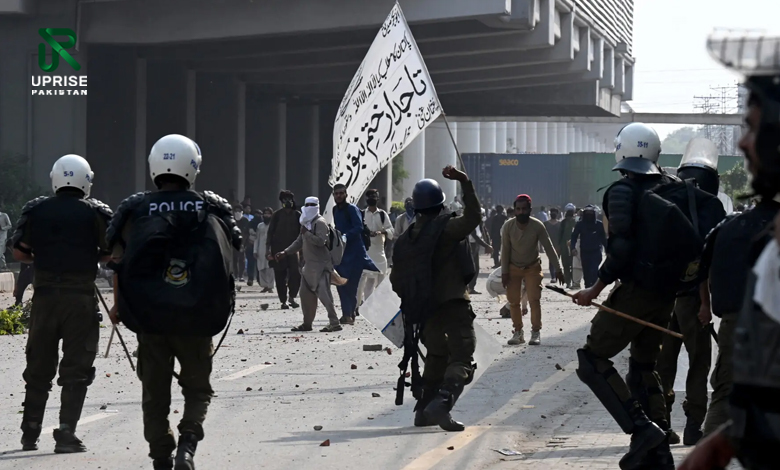
Punjab is at a tense crossroads. After violent protests and clashes, the provincial government is considering banning the Islamist party Tehreek-e-Labbaik Pakistan (TLP). This move comes amid anger over unrest and damage in Lahore, Muridke, and beyond. Punjab officials say the party’s tactics threaten law, order, and public safety.
Many citizens watch nervously, hoping for peace but fearing new conflict. The proposed ban raises serious questions—about its causes, legal process, possible outcomes, and impact on Punjab’s people and politics.
Why Is Punjab Taking Action Now?
TLP launched a “Gaza solidarity” march from Lahore toward Islamabad. Amid that march, clashes broke out in Muridke and Lahore. Police say vehicles were burnt, stones were thrown, and officers were injured. Punjab responded early with Section 144 across the province, banning gatherings and rallies.
High Number of Arrests & Criminal Cases
Authorities have arrested over 2,716 protesters across Punjab after the Muridke operation. Scores of cases—up to 72—have been filed against TLP workers, many in Lahore.
Political Pressure for Law & Order
Punjab’s Chief Minister Maryam Nawaz chaired meetings to review the unrest. Officials say the TLP’s history of agitations, clashes with police, and attacks on places of worship also fed into the decision.
Legal & Constitutional Path
The province can recommend that the federal government ban TLP and place its leaders under special schedules. Punjab can freeze TLP’s assets, seize its properties, freeze bank accounts, and block material like banners and social media.
What the Federal & Supreme Court Must Do
A provincial recommendation triggers federal action. Then, under Article 17(2) of the Constitution, the federal government can declare the party harmful to the state, but must refer the matter to the Supreme Court. The Supreme Court’s decision is final. No further appeals exist beyond that in these cases.
Legal Obstacles & Past Attempts
Punjab and federal authorities have acted against TLP, notably in 2021, when a ban was later reversed after talks. Some analysts argue that many bans fail because courts demand legal proof and parties use appeal routes.
What Could Change If A Ban Passes
TLP currently holds seats in Punjab’s assembly and draws significant voter support. A ban would remove them from ballots, shifting their supporters into other political camps or into protest politics.
Speech, Organization & Civil Rights
The party’s public meetings, speeches, social media pages, and banners may be outlawed. Its leaders may face travel restrictions and account freezes. Normal workers, scholars, or mosques affiliated with TLP might come under scrutiny or legal action.
Court Battles & Pushback
TLP will likely challenge any ban in the Supreme Court. They may argue the rights of assembly and political participation. Supporters may protest. That could reignite clashes just as Punjab hopes to calm unrest.
Signal to Extremist Groups
A successful ban may send a tough message to groups that use street protest or violence. But if enforced unevenly, it could risk perceptions of bias or political targeting.
Public Response & Human Rights Concerns
Many in Punjab hope for order and safety. They view the ban as necessary to stop violence.
Others worry it curbs freedom of expression or democracy. Critics caution against sweeping bans on ideas, even harsh ones.
Minority Community Safety
TLP has been linked to attacks on Christian and Ahmadiyya sites. There is public demand that the state protect all citizens. If a ban helps prevent sectarian violence, many believe it may reduce harm. But misuse of power could hurt innocent groups.
Rule of Law Matters
Any ban must follow due process, clear evidence, and oversight. Arbitrary bans weaken institutions.
Transparency, legal rights, and fair trials will decide whether a ban gains lasting legitimacy.
| Topic | Fact | Sources & Notes |
| Arrests | Over 2,716 detained in Punjab | After Muridke protests |
| Criminal Cases | Up to 72 cases filed | Many in Lahore |
| Legal tool | Article 17(2) & Fourth Schedule under ATA | For dissolution and proscription |
| Past ban | TLP was banned in 2021 and later reinstated | After protests and talks |
What Needs To Happen For A Ban To Work
- Rock‑solid evidence: The state must present clear proof linking TLP leaders to violence.
- Fair trials and due process: Courts must give those accused their day.
- Consistent enforcement: Laws should apply equally to all parties.
- Engagement with moderate voices: If religious voices who oppose violence engage, it may ease tensions.
- Monitor human rights and freedoms: Oversight by courts, media, and civil society is essential.
A Turning Point Or Tempest?
Punjab’s effort to ban TLP marks a bold turn. It stems from deep frustration with violent protests, damaged property, and security risks. If the ban passes through constitutional channels, it could reshape politics in Punjab and beyond.
Yet the stakes are high. If done fairly, it might curb extremism and protect communities. But if rushed or unjust, it may feed grievances and spark new unrest. The coming weeks will reveal how much Punjab values the rule of law, public safety, and democratic balance — or whether this will become another crisis in a nation struggling with politics and peace


