
COAS Warns: Any Violation of Pakistan’s Border Will Be Crushed
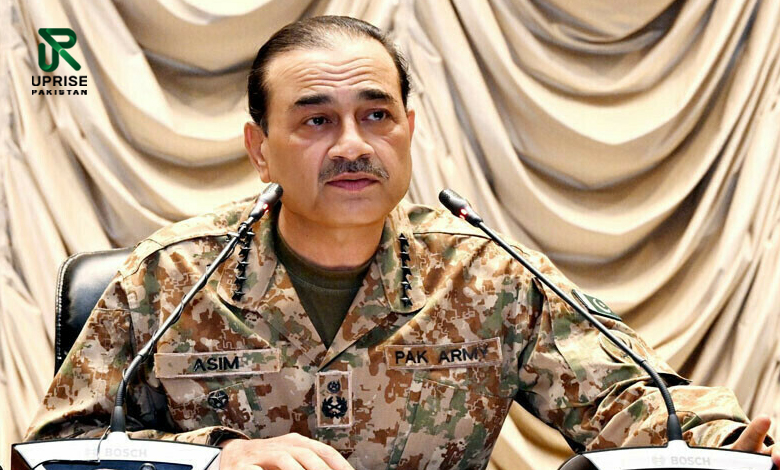
Pakistan’s top military leader sent a clear message this week: any cross-border violation will be met with a firm and decisive response. Field Marshal Asim Munir emphasised national resolve during a speech at a defence workshop in Rawalpindi. He said Pakistan seeks peace, but will defend every inch of its territory.
Many citizens watched closely, hoping the strong words marked a turning point in regional security. At the same time, people worried the warning could escalate tensions along the border. The warning comes amid rising tensions, signals a shift in regional security policy, and directly impacts people living near the borders.
Why The Warning Came Now
In recent weeks, violence flared along Pakistan’s western frontier. Reports show heavy clashes between security forces and militants near the Afghanistan border. These incidents spurred strong statements from military leadership.
Alleged Proxy Activities
Munir directly accused foreign-backed militant proxies of operating within Pakistan’s border provinces. He described them as “anti-people and anti-development agendas with malicious intent.” He said such groups threaten national security and the peace of citizens.
Domestic Pressure for Security
With major operations happening in provinces like Balochistan, the government and military are under pressure to deliver results. Munir’s talking points emphasized protecting citizens and maintaining stability in fragile areas. Therefore, the warning sent a clear message: the state is prepared to act.
What The Statement Actually Said
- “Any violation of Pakistan’s territorial integrity, direct or indirect, will be met with a firm and decisive response.”
- The message came during the 17th National Workshop in Balochistan, emphasising local security and national defence.
- Munir also reaffirmed that Pakistan seeks regional peace and stability. Thus, the warning was not simply about retaliation but also about defence.
What This Means For Regional Security
Given the ongoing ceasefire efforts and tensions at the Afghan border, the statement broadens Islamabad’s stance. It indicates that Pakistan expects tighter control over cross-border militancy. Analysts note this could complicate negotiations with the Afghan side.
For Pakistan-India Dynamics
While the message didn’t mention India by name, the military’s tone echoes earlier warnings about bilateral behavior. The broader region will watch closely for responses in the east.
For Counter‑Terror and Internal Stability
The statement connects external threats with internal security. By linking militant activity to border violations, Pakistan’s military frames its operations as a defence of national sovereignty. This may broaden the scope of operations and surveillance across provinces.
| Area | Key Statement | What It Implies |
| Territorial Integrity | “Any violation will be met with a firm and decisive response.” | Clear red line set by military leadership |
| Regional Peace | “While we seek regional peace and stability” | Defence posture framed as maintaining peace |
| Proxy Threats | “Indian‑backed militant groups” and “anti-development agendas” are mentioned. | External funding and proxy conflict highlighted |
| Location & Timing | Speech during the Balochistan workshop, with a focus on local development | Links border security with internal provincial stability |
What It Means For Everyday People
The message carries direct weight for citizens living near borders—especially in Balochistan, Khyber Pakhtunkhwa, and the Afghan frontier. Many residents already live with threats of cross-border attacks and militant infiltration. With the military’s firm statement:
- Security operations may increase in border-adjacent areas.
- Local trade and movement near frontier zones could face stricter controls and monitoring.
- Civilians may feel more secure under military assurance or anxious if operations heighten.
For ordinary Pakistanis in cities, the remark reinforces the image of a strong state ready to defend itself. But it also reminds them of the constant tension in the region, and the risks of escalation.
Why The Strong Tone Matters
By issuing such a sharp warning, the military seeks to deter future violations before they happen. Strong words can sometimes prevent conflict. Second, the statement keeps pressure on neighbouring countries and non-state actors alike. It tells external parties that actions speak louder than words and will influence Pakistan’s responses. Finally, the tone helps reassure domestic audiences that their security is the priority and that the state remains in control.
Risks And Concerns
There are risks to this strong stance:
- If incidents escalate, military retaliation may lead to broader conflict around borders.
- Public expectations may rise, and any perceived failure could harm trust in institutions.
- Actions justified under border security may affect civil liberties or local communities without proper oversight.
Thus, while the warning sets a clear defence posture, it also places heavy responsibility on leadership to act wisely and transparently.
A Strong Message In A Sensitive Moment
Field Marshal Asim Munir’s warning signals Pakistan’s firm resolve: any border violation will be “crushed”. More than a mere statement, it underlines how national sovereignty, regional stability, and citizen safety are tightly connected.
The words carry weight not just for neighbours and militants, but for everyday Pakistanis living near the fault lines. Ultimately, the message is clear: peace is preferred, but defence is ready.


