
From The Amazon To The Chicago: These Rivers Flow Backwards, Here’s Why

When we think of rivers, we imagine them flowing from mountains to seas, driven by gravity. But in rare and fascinating cases, rivers can reverse their flow, either temporarily or permanently. This phenomenon doesn’t defy physics; instead, it reflects how powerful forces like tides, tectonic shifts, and human engineering can reshape the natural course of water. (Image: Pexels)
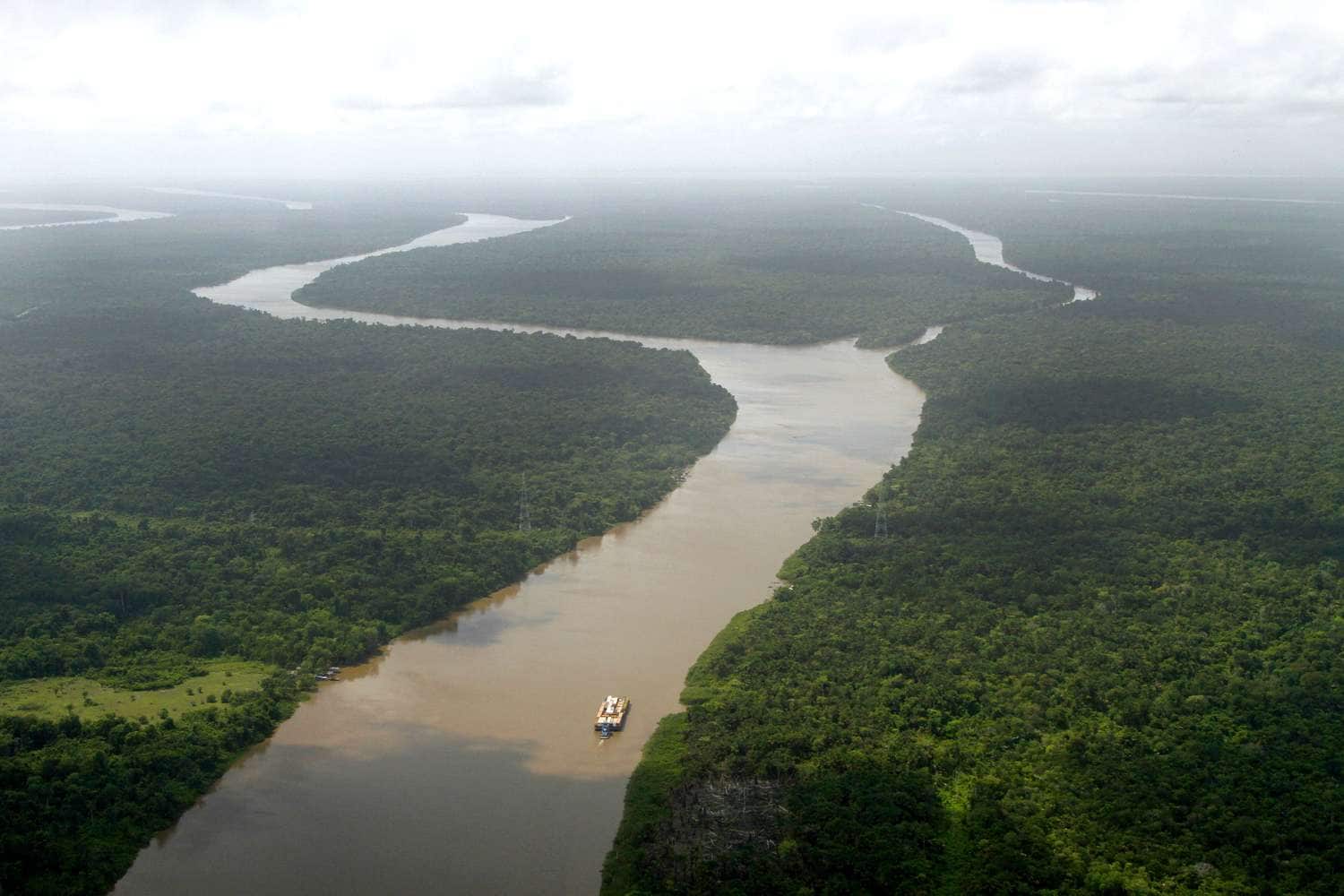
One of the most iconic examples is the Amazon River. Millions of years ago, it flowed westward toward the Pacific Ocean. However, the rise of the Andes Mountains during the Cretaceous period blocked its path, forcing the river to reverse course and flow eastward into the Atlantic. This permanent reversal transformed the Amazon Basin and remains one of the most dramatic geological shifts in river history. (File Photo)
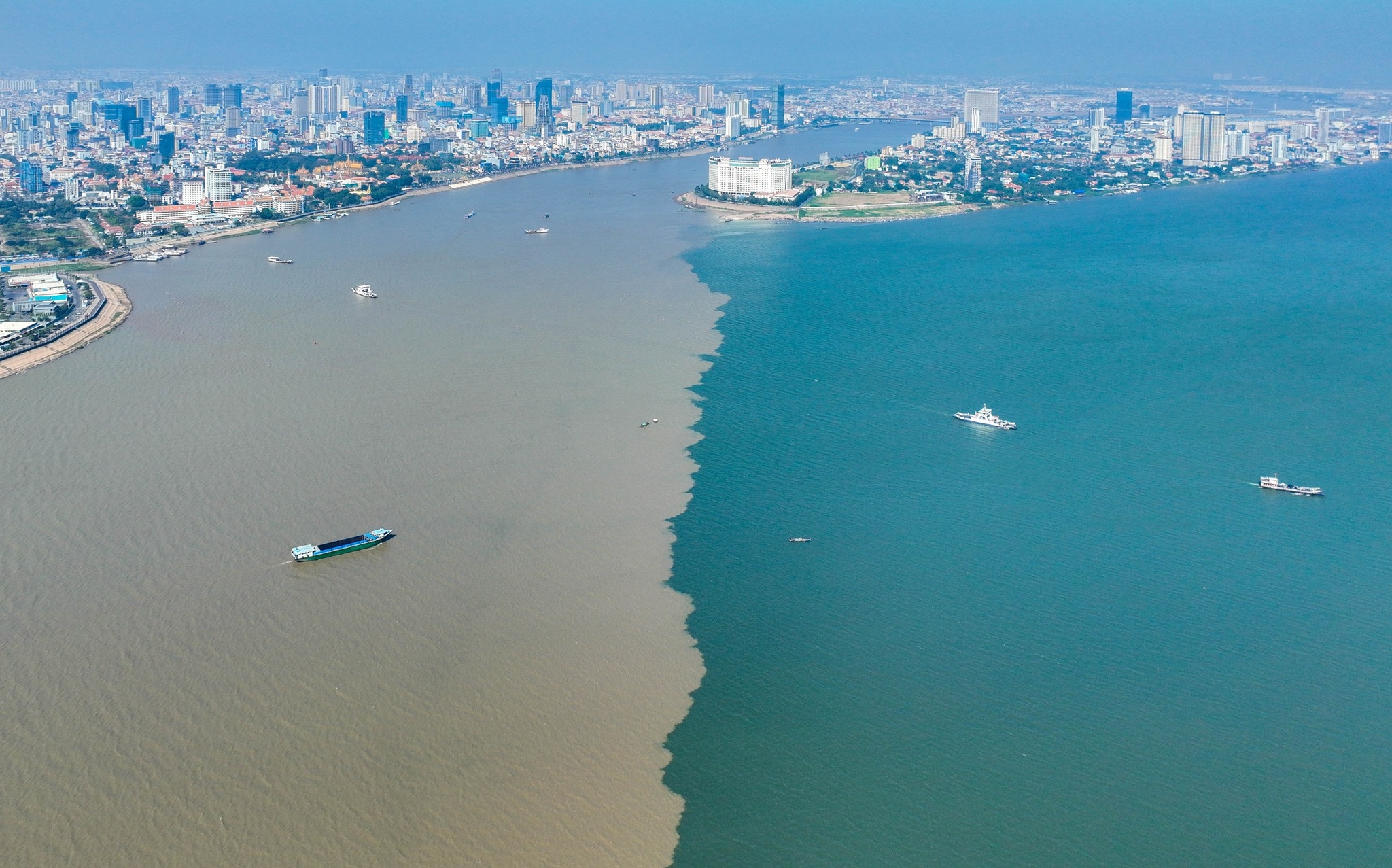
In Cambodia, the Tonlé Sap River performs a seasonal dance. During the monsoon, the Mekong River swells and pushes water into Tonlé Sap Lake, reversing the river’s flow. In the dry season, the lake drains back into the Mekong. This unique rhythm supports one of the most productive freshwater fisheries in the world. (Image: Facebook)
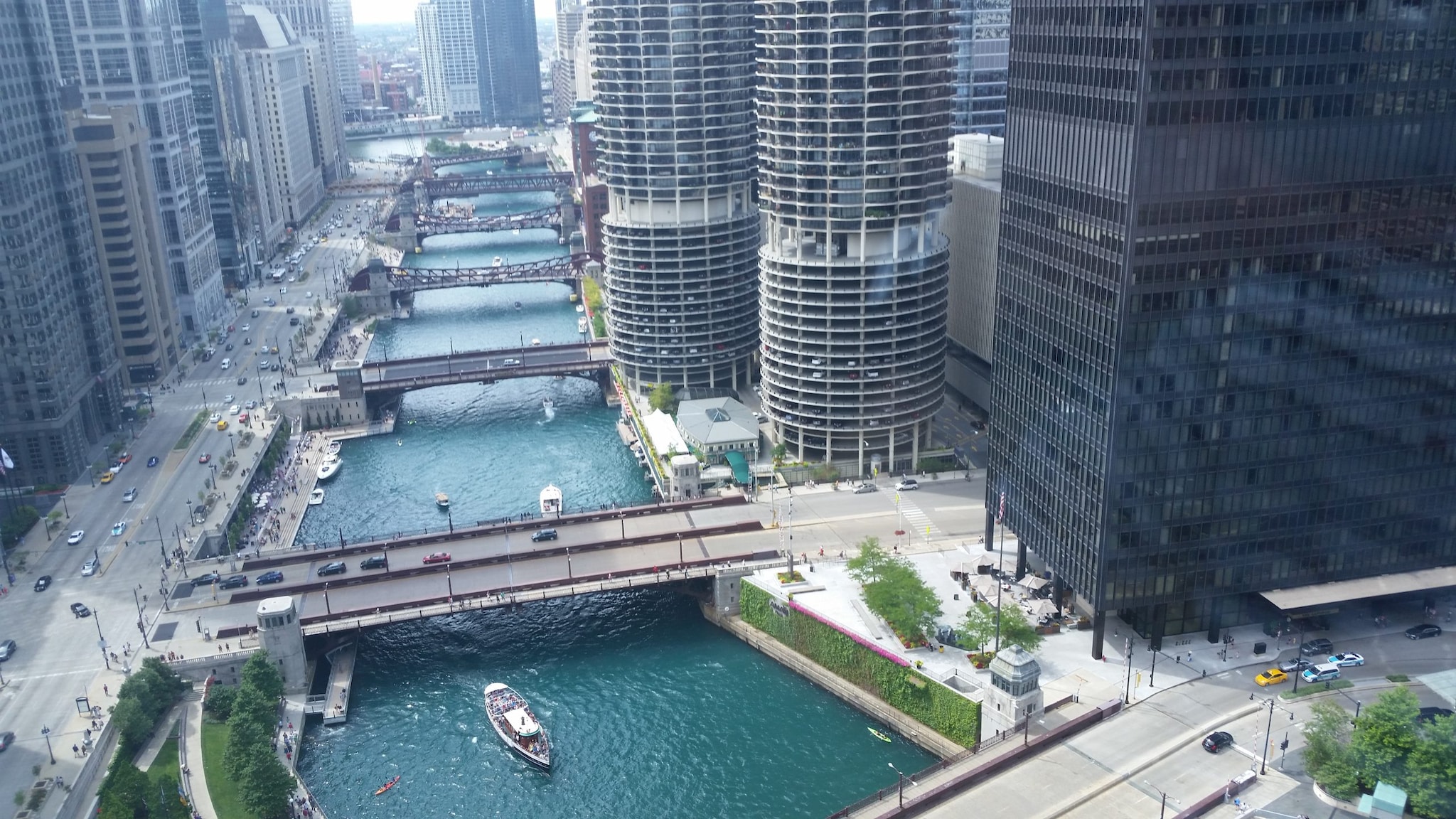
The Chicago River in the United States was manually reversed in 1900 through a massive engineering project. Originally flowing into Lake Michigan, the river was redirected toward the Mississippi River to prevent pollution of the city’s drinking water. This permanent reversal was achieved via the Chicago Sanitary and Ship Canal and remains a landmark in urban planning. (Image: Wikimedia Commons)
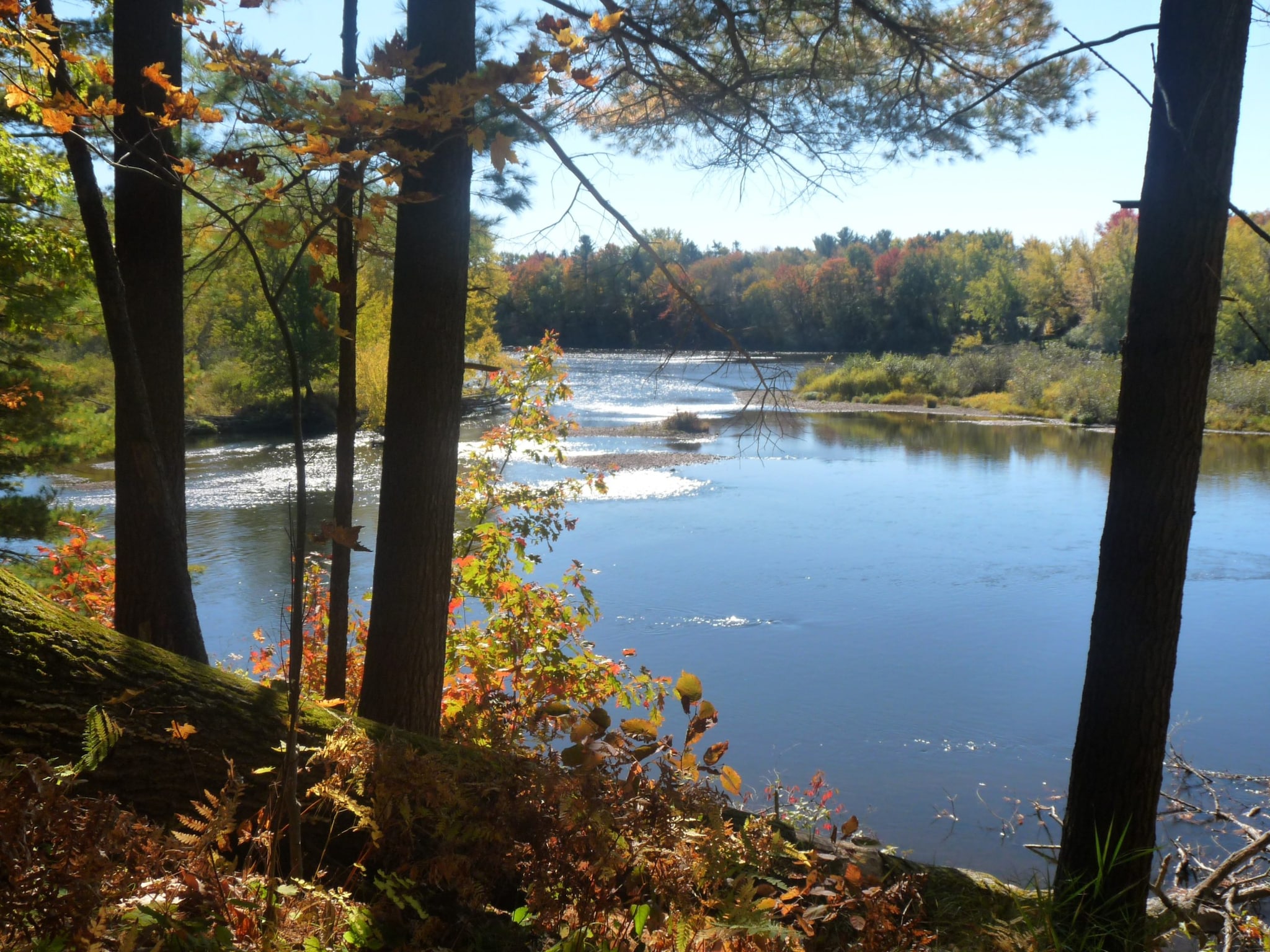
Another U.S. river, the Wisconsin River, experienced a reversal due to glacial activity during the Pleistocene Epoch. As glaciers reshaped the landscape, the river’s flow was redirected from the Great Lakes basin toward the Mississippi River system. (Image: Wikimedia Commons)
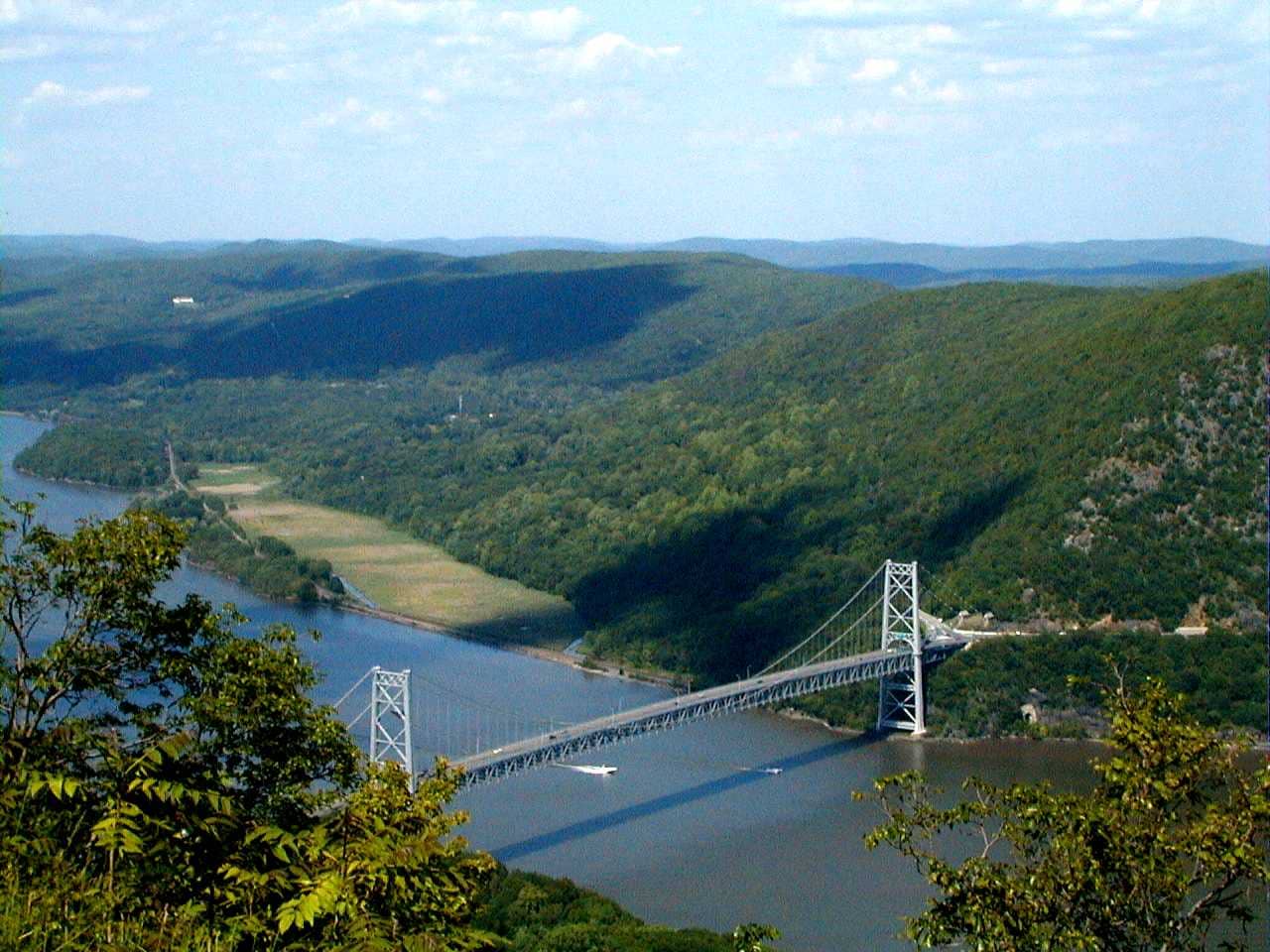
In New York, the Hudson River doesn’t permanently reverse, but it does experience daily tidal reversals. As the Atlantic Ocean’s tides rise, seawater pushes upstream, temporarily reversing the river’s flow. (Image: Wikimedia Commons)
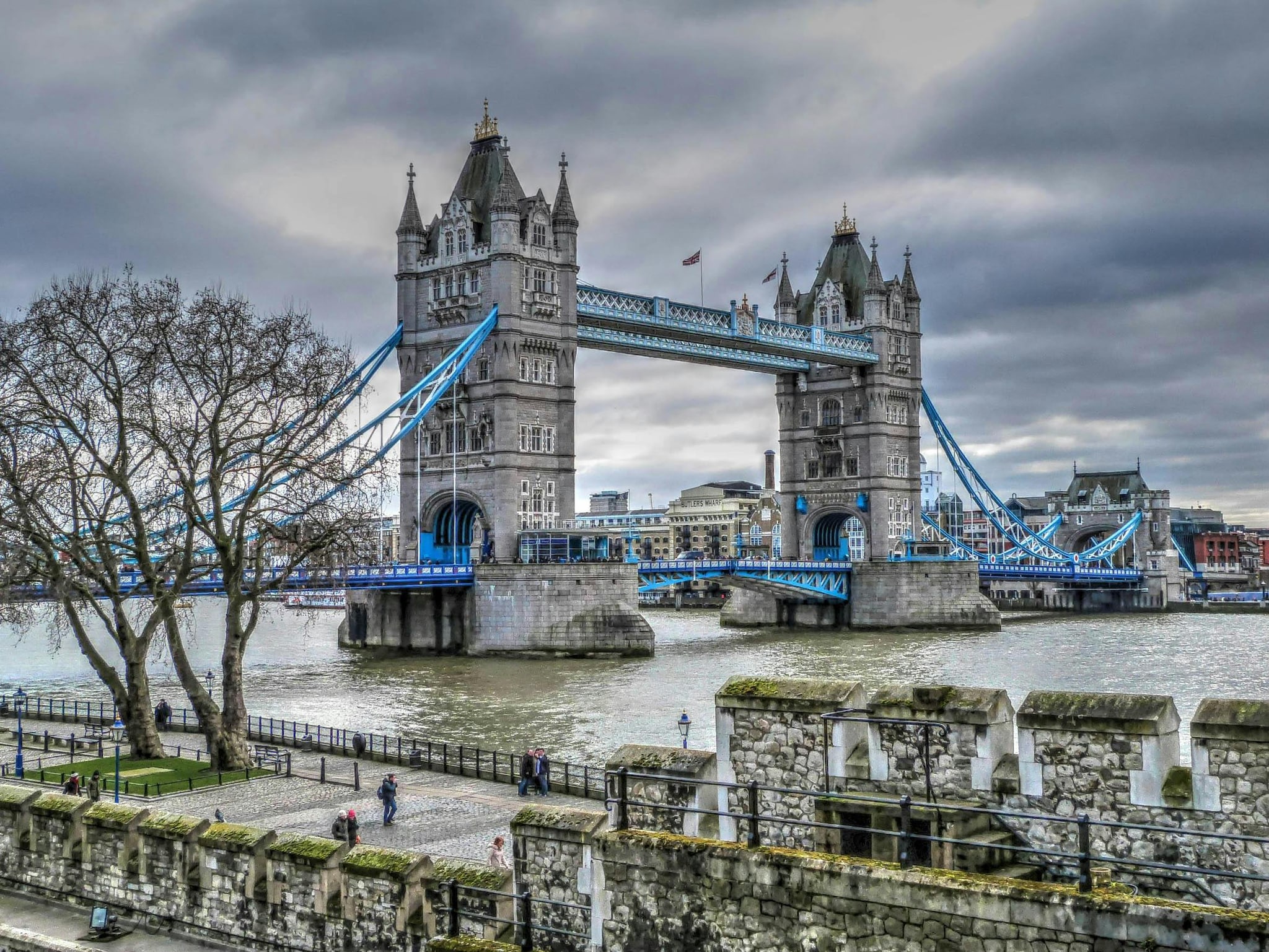
A similar phenomenon occurs in the Thames River in London, where tidal forces cause the river to flow backward twice a day. (Image: Pexels)
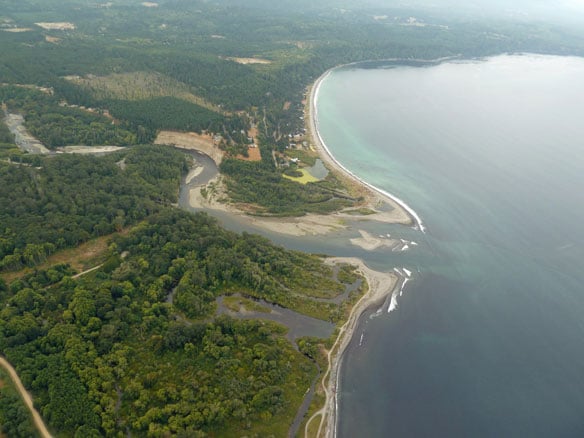
Tidal forces are the most common cause of temporary reversals. Coastal rivers like the Hudson and Thames are subject to ocean tides that push water upstream during high tide. (File Photo)
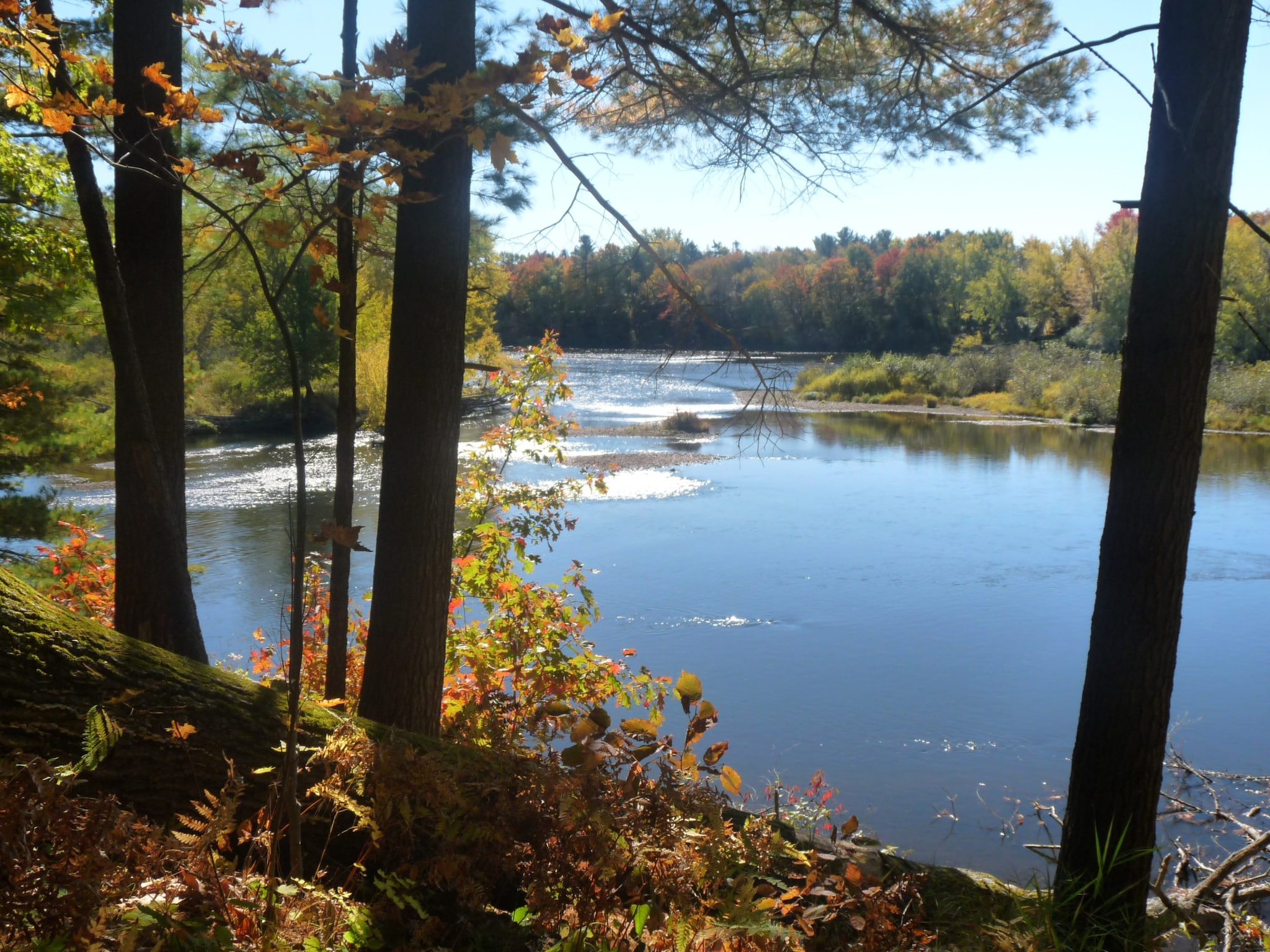
Geological shifts, such as mountain formation or glacial movement, can permanently alter a river’s course. The Amazon and Wisconsin Rivers are prime examples of how Earth’s evolving surface can redirect massive water systems. (Image: Wikimedia Commons)
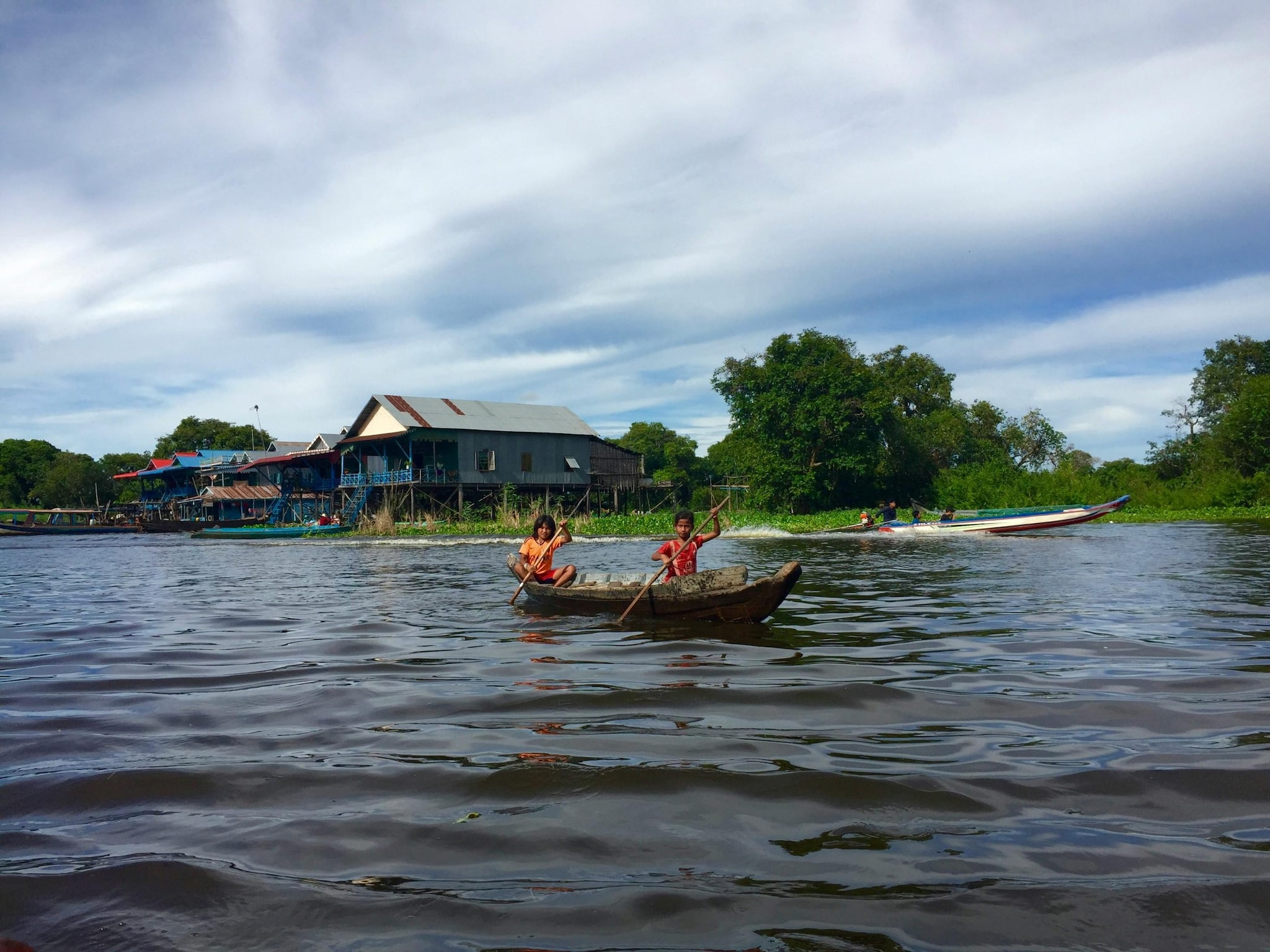
Seasonal changes can also drive reversals. The Tonlé Sap’s flow is dictated by monsoon cycles, creating a dynamic ecosystem that adapts to the shifting water. Human engineering has played a role too. The reversal of the Chicago River was a deliberate act to protect public health and manage urban waste. (Image: Pexels)
Source link


