
City District Administration’s AI Traffic Learning Plan
Harnessing Technology for a Smarter, Smoother Lahore
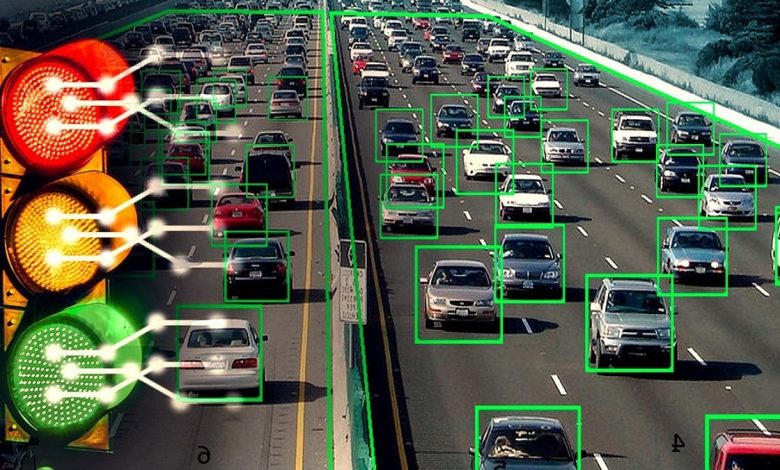
In a groundbreaking move to address the persistent issue of traffic congestion in Lahore, the city district administration has unveiled an ambitious plan that integrates artificial intelligence (AI) into its traffic management system. This strategic initiative, spearheaded by Commissioner Zaid bin Maqsood, marks a significant step towards modernizing the city’s infrastructure and improving the daily commute for millions of residents. The plan, which leverages cutting-edge AI technology, promises to transform how it is monitored and managed, setting a new standard for urban mobility in Pakistan.
AI: The Future of Traffic Management
Artificial intelligence has become an integral tool in urban planning and management worldwide, and Lahore is now poised to join this global trend. The city’s traffic issues have long been a source of frustration for residents, with congestion, illegal parking, and poorly maintained roads contributing to daily gridlock. The introduction of AI into traffic management aims to alleviate these problems by providing real-time data analysis and predictive insights. By utilizing AI, the city can optimize traffic flow, reduce bottlenecks, and enhance overall road safety. This initiative reflects a forward-thinking approach, recognizing that technology is essential for creating smarter, more efficient cities.
Implementation and Scope of AI Integration
The plan’s implementation centers around the deployment of AI technology through the Safe City cameras already installed at various points across Lahore. These cameras will be strategically positioned at five critical chokepoints identified as the most problematic areas in the city. Commissioner Maqsood emphasized that continuous AI monitoring would enable the city to swiftly detect and mitigate factors contributing to traffic congestion. This proactive approach allows for immediate intervention, whether it’s adjusting its signals, redirecting it, or identifying incidents that could cause delays.
The scope of this integration extends beyond just monitoring. AI will also be used to predict traffic patterns based on historical data, allowing for more informed decision-making when it comes to road closures, construction projects, or major events. By anticipating potential traffic issues before they occur, the city can implement measures to prevent congestion, rather than simply reacting to it.
Collaborative Efforts for Traffic Management
While AI plays a central role in this new traffic management plan, the success of the initiative also depends on effective collaboration between various city departments and agencies. The Lahore Waste Management Company (LWMC) has been instructed to relocate waste containers from the city’s main roads to ensure smoother traffic flow. This move is part of a broader effort to remove obstacles that contribute to congestion, including illegal signage that obstructs roads and footpaths. The Traffic Engineering and Town Planning Agency (TETPA) and the district administration have been tasked with removing these unauthorized structures, which have long been a hindrance to both vehicles and pedestrians.
These collaborative efforts are crucial for the success of the AI traffic management plan. By working together, these agencies can create a more coordinated and efficient management system, ensuring that the benefits of AI integration are fully realized. The removal of physical obstacles is just one aspect; ongoing cooperation will be necessary to maintain and improve ovberall conditions in the long term.
A Comprehensive Approach to Traffic Solutions
The AI-driven initiative is not just about technology; it is part of a comprehensive approach to solving Lahore’s traffic problems. The Safe City cameras, enhanced with AI capabilities, will also play a key role in identifying illegal parking and other factors that contribute to congestion citywide. Initial measures under this plan include the removal of illegal structures that block traffic flow, intensive awareness campaigns to educate the public, and ongoing improvements in lane markings and road signage under TETPA’s supervision.
This multifaceted strategy demonstrates the city administration’s commitment to addressing related issues from all angles. By combining technological innovation with traditional management methods, Lahore is paving the way for a more efficient and orderly transportation system. This approach recognizes that while AI can provide powerful tools for managing traffic, human oversight and intervention are still essential for ensuring its success.
Emphasis on Effective Traffic Engineering
A critical component of the AI Traffic Learning Plan is the emphasis on effective traffic engineering. Commissioner Maqsood highlighted the importance of a practical, well-thought-out and engineered strategy that aligns with directives from the chief minister. This strategy includes comprehensive management interventions designed specifically for Lahore’s unique challenges. Plans are already underway to redesign key roads, conduct patchwork repairs where needed, install new signage, and implement spike barriers to control a smoother flow and enhance safety.
The emphasis on state of the art engineering reflects an understanding that technology alone cannot solve all of Lahore’s road related woes. A solid infrastructure foundation is necessary to support the advanced capabilities of AI. By combining modern engineering techniques with AI technology, the city administration is taking a holistic approach to a comprehensive management that addresses both the symptoms and the root causes of congestion.
Coordination and Stakeholder Engagement
The successful implementation of the AI Traffic Learning Plan relies heavily on coordination and stakeholder engagement. The recent meeting, chaired by Commissioner Zaid bin Maqsood, brought together key officials, including Deputy Commissioner Rafia Haider, Chief Traffic Officer (CTO) Amara Athar, LWMC CEO Babar Sahibdin, Wasa Managing Director Ghafran Ahmed, and representatives from the Punjab Safe City Authority. This collective effort underscores a coordinated approach to tackling Lahore’s challenges, ensuring that all relevant parties are involved in the decision-making process.
Engaging multiple stakeholders not only enhances the effectiveness of the said comprehensive management plan but also fosters a sense of shared responsibility among different city departments. By working together towards a common goal, these stakeholders can pool their resources and expertise to create a more sustainable and efficient management system for Lahore.
Looking Ahead: The Future of Traffic in Lahore
As Lahore continues to grow and develop, the city’s traffic management challenges will only become more complex. However, with the implementation of the AI Learning Plan, the city is taking proactive steps to stay ahead of these challenges. The integration of AI into the management represents a significant advancement in how the city plans to tackle congestion and improve road safety. While there will undoubtedly be challenges along the way, the collaborative efforts of city departments and the innovative use of technology provide a strong foundation for future success.
The AI Traffic Learning Plan is a bold step forward for Lahore, one that could serve as a model for other cities facing similar challenges. By embracing technology and fostering collaboration, Lahore is positioning itself as a leader in smart city initiatives, paving the way for a more connected and efficient urban environment.


