
Punjab Transporters End Wheel-Jam Strike As Govt Agrees To Key Demands
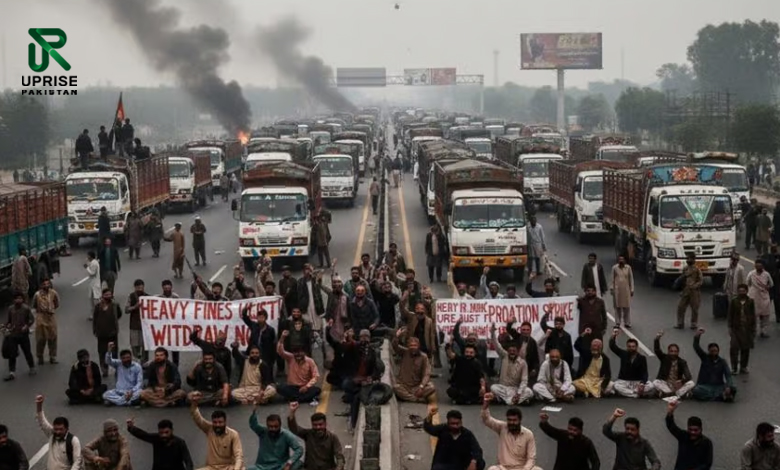
Punjab’s wheel-jam strike is over. Transporters called off the protest after talks with the government. The shutdown had choked highways and city routes. Fuel tankers stopped. Bus services stalled. Markets felt the squeeze within hours. However, a late-night dialogue changed the tone. Both sides agreed on key points and set a path forward. Therefore, traffic is rolling again, and relief is spreading across the province.
Key Highlights
- Transporters end the wheel-jam strike after government assurances.
- Authorities agree to review fines, fees, and enforcement practices.
- Fuel and food supplies begin to normalize across major cities.
- Unions promise cooperation while monitoring future actions.
- A joint committee will propose reforms on a fast timeline.
Why The Strike Started
Drivers and fleet owners said costs had become unbearable. They pointed to higher fines and rising tolls. They also alleged harassment at checkpoints. Moreover, they argued that fitness rules were enforced without support. As expenses rose, margins shrank. Consequently, transporters halted wheels to push for talks. The move quickly hit supply chains and daily travel.
What Transporters Demanded
The unions brought a short, clear list. They asked for:
- A rollback or review of recently increased traffic fines.
- An end to harassment and alleged bribe demands at checkpoints.
- A review of toll and token fees for heavy vehicles.
- A grace period for fitness certificates and documentation.
- A promise of no reprisals against peaceful protesters.
These points reflected months of complaints from the road. Truckers said they wanted fairness, not favors.
Government’s Response
Officials met union leaders and offered a structured plan. They agreed to relax enforcement on select items for a short window. They also promised a transparent review of fines and fees. Additionally, they committed to a complaint hotline and audits. Therefore, drivers would have a channel to report misconduct.
“We understand the pressure on transporters,” a spokesperson said.
“We will implement fair rules and protect public interest.”
| Demand | Government Action |
| Review of higher traffic fines | Accepted for review; revised schedule under study |
| End to checkpoint harassment | Hotline announced; inquiry teams formed |
| Toll and token fee relief | Under consideration by the finance department |
| Fitness certificate grace period | Temporary relaxation with clear timelines |
| No reprisals against protesters | Assured for peaceful participants |
Impact On Everyday Life
The strike hit daily life fast. First, fuel stations ran low as tankers stood still. Then, produce trucks missed market hours. Buses cut schedules, and commuters waited longer. Small factories slowed as raw material deliveries slipped. But things improved once the strike ended. Fuel supplies moved. Wholesale markets reopened with better volumes. Bus stands filled as routes restarted.
What Changes Now
With wheels turning, attention shifts to reforms. The joint committee will meet regularly. It will collect data from highways and terminals. It will also review fine slabs and toll formulas. Meanwhile, the hotline and audit plan will test enforcement. If complaints drop, trust can grow again.
Tips for Drivers and Fleet Owners
- Keep copies of permits, fitness, and insurance in the cab.
- Use the new complaint channel to report misconduct.
- Track weighbridge slips and maintain expense logs.
- Schedule preventive maintenance to avoid roadside issues.
- Follow speed and lane rules to reduce fine exposure.
These simple steps save time and protect earnings.
Why This Agreement Matters
Transport drives the provincial economy. Crops, cement, steel, and fuel move by road. When trucks stop, shelves empty, and factories slow. Therefore, a working deal helps everyone. It protects drivers from sudden shocks. It also protects citizens from shortages and price spikes. Above all, it sets a model for dialogue over disruption.
What to Watch Next
- Fine and fee proposals: Will new slabs strike a balance between safety and cost?
- Checkpoint behavior: Do complaints fall with audits and hotlines?
- Fitness rules: Are grace periods used to fix real issues?
- Supply chains: Do fuel and food deliveries stabilize for good?
If these pieces hold, the province can avoid another standoff.
Conclusion
Punjab’s wheel-jam strike has ended with a practical deal. The government listened. Transporters stood firm but flexible. Now, roads are open, and supplies are moving. However, the real test starts today. Reforms must be fundamental, not just promises. If rules are fair and enforcement is clean, trust will return. Then drivers can focus on miles, not fights. And the province can keep goods—and hopes—moving forward.


