
Delhi Scorches under Brutal 50°C Heat
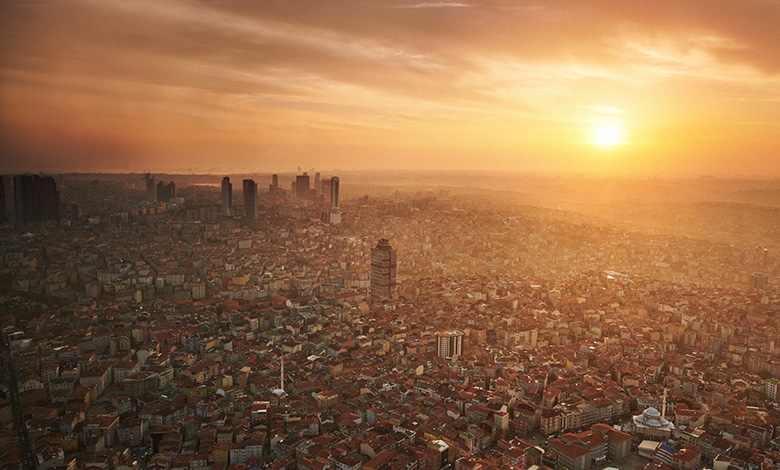
Imagine stepping outside and being hit by a heat wave so intense it feels like opening an oven. That’s what it’s like right now in Delhi, India. The city is grappling with near-record-breaking temperatures, soaring close to 50°C. This heatwave isn’t just uncomfortable—it’s dangerous and affecting millions.
Unveiling the Complexities of Extreme Heat
What’s causing this extreme heat?
It’s a mix of factors. Long periods of sunny, clear skies combined with dry, hot winds blowing from the nearby deserts are turning up the thermostat. But there’s more to it. Scientists say climate change makes these extreme temperatures more likely and more severe. It’s not just a one-time event; it’s a worrying trend.
In the face of this severe heatwave, the community and government in Delhi have sprung into action. Local authorities have set up cooling centers across the city, providing a much-needed escape for those without access to air conditioning. The government distributes free water at several points to ensure hydration, especially for the city’s vulnerable populations, such as homeless individuals and outdoor workers.
How do People Cope?
Well, life in Delhi has had to adjust. Power demands have skyrocketed as everyone turns on fans and air conditioners to escape the heat. This greatly strains the city’s energy resources, leading to power outages. And water? It’s in short supply. So, the government is cracking down on water wastage, and people are urged to use water wisely.
However, the heat isn’t just uncomfortable—it’s a health hazard. Hospitals are seeing more patients with heat-related illnesses like heat stroke and dehydration, especially among the elderly and children. Doctors advise everyone to stay indoors during the peak heat hours, drink plenty of water, and wear light clothing.
What does the Future Look Like?
For now, the forecast says the heat will continue. Efforts are also underway to plant more trees and create greener spaces to help cool the city. Authorities are also working to improve the water and power systems to better cope with the demands of extreme weather. It’s a big challenge, but it’s crucial for the health and well-being of Delhi’s residents.
This heatwave is a wake-up call. It shows how much our environment changes and how these changes affect us all. It’s a reminder that we must look after our planet, not just for us but for future generations. Let’s not wait for the next heatwave to take action.


