ICC Could Replace Bangladesh At T20 WC If They Don’t Play In India
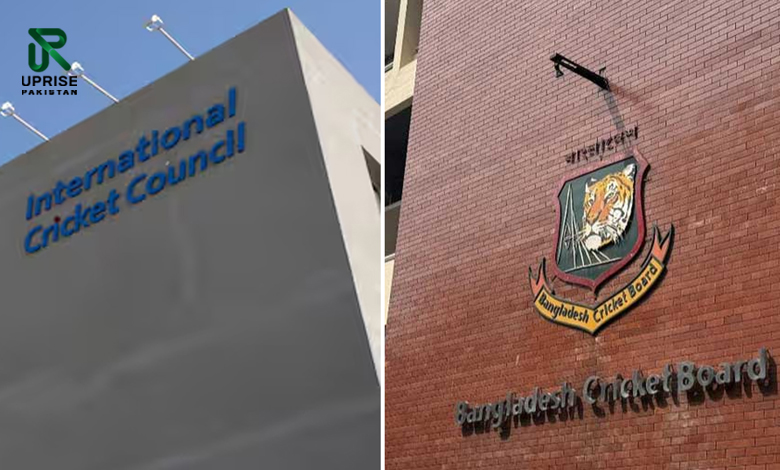
Bangladesh requested that its T20 World Cup games be moved out of India. The ICC reviewed that request and declined after security checks. Now, the choice is clear: Bangladesh can travel and play in India, or it can forfeit its spot.
Reports say Scotland could step in if Bangladesh refuses. The event runs from February 7 to March 8 across India and Sri Lanka. That timeline leaves little room for changes. As a result, the story has turned urgent for players and fans alike.
Tournament Facts You Should Know
The 2026 Men’s T20 World Cup features 20 teams and 55 games. India and Sri Lanka will co-host the event at eight venues. The format includes a group stage, Super 8s, and knockouts. These basics set the frame for every ICC decision.
Moreover, the dates are tight, making late changes difficult. Therefore, the ICC prefers to protect schedule integrity. It keeps broadcast, ticketing, and travel plans stable for fans. It also helps teams set practice plans and scouting work. These details explain the pace and tone of ICC actions this week.
Why The ICC Said No To A Venue Shift
The ICC said its experts found no credible threat to Bangladesh in India. Independent assessments and host guarantees shaped that view. Thus, the board upheld the published schedule after a special meeting.
Moving games now could harm future event protocols. It could also set a precedent that invites late demands. As a result, the ICC has drawn a firm line. Bangladesh must either honor the schedule or face replacement. That stance echoes past tournament rulings on venue refusals. It reflects a policy built on neutral risk reviews and equal rules.
Replacement Path And Precedent
If Bangladesh refuses, the ICC can activate a replacement. Reports point to Scotland as next in line. Ranking and qualification rules guide that choice. Past ICC events also saw walkovers or swaps when teams declined. Those cases show how the council protects the bracket.
- Likely replacement: Scotland, based on current reporting and ranking logic.
- Historic signal: Teams that refused venues faced forfeits or replacements.
- Practical reason: Late changes disrupt tickets, TV, and team travel.
Security And Governance
Strong security and fair rules keep events steady. The ICC uses reviews, clear policies, and written guarantees so teams, fans, and hosts trust decisions today.
Independent Assessments
The ICC relies on neutral threat reviews and venue-level plans. It also seeks written assurances from local authorities. Together, these inputs guide match allocations and travel advice.
Uniform rules for all teams
Rules apply to all 20 teams without exception. Therefore, the board opposes ad hoc switches near the start date. This approach keeps the event fair and predictable for everyone.
Learning from history
Earlier tournaments faced similar venue disputes. The ICC refused to move matches and awarded walkovers in some cases. Those choices kept schedules intact and protected sporting balance.
Fan Impact And Logistics
A last-minute swap would keep the calendar steady for fans. Tickets would remain valid at the same grounds. However, the team in those slots could change. That affects fan groups, marketing, and local color. Broadcasters would keep their windows and crews in place. Teams would adapt scouting plans to a new opponent. Coaches plan for such variables in modern cricket.
- Tickets stay active at the same venue and date.
- Opponents may change, which alters matchups and fan sections.
- Broadcast crews avoid costly rescheduling and travel changes.
| Scenario | Team in the slot | Venue status | What it means |
| Bangladesh plays | Bangladesh | India venues hold | Schedule and tickets stay as planned. |
| Bangladesh refuses | Scotland (reported) | India venues hold | Same dates; new opponent fills fixtures. |
It also shows why the ICC guards the current grid. Stable venues reduce cost and confusion at scale. They keep broadcast and stadium operations smooth. Reports naming Scotland explain the likely path if a refusal stands. Those reports align with ranking logic and past practice.
Bangladesh At A Crossroads After ICC Ruling
The situation is tense, but the path is clear. Bangladesh asked for a shift; the ICC refused. Security reports did not support a change. Therefore, Bangladesh must play in India or open the door for Scotland.
The dates are set, and the venues are ready. Fans want certainty as the World Cup approaches. The ICC aims to provide that certainty through firm rules. As the countdown begins, decisions carry significant weight. The game should be the main focus, not the standoff. With fair rules and transparent facts, cricket can once again take center stage.