
Iran’s protest death toll hits 3,117, government says
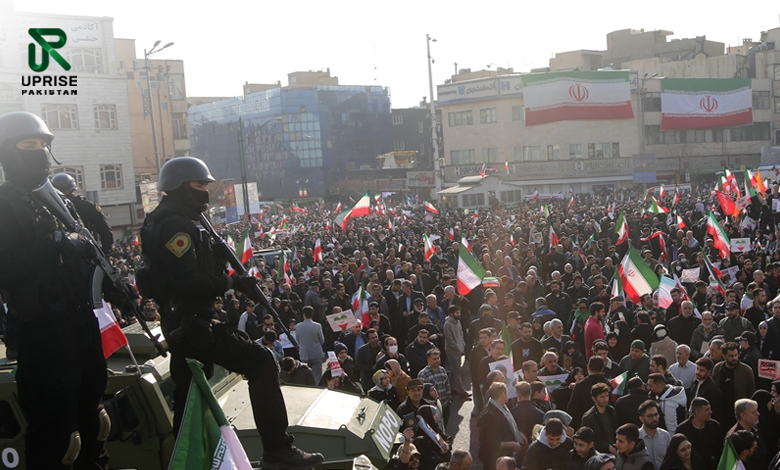
Iran’s leaders released a number that stunned many: they now say 3,117 people died during the recent protests. Families grieve, while questions continue to rise. Officials presented the count as final. However, witnesses describe a darker reality. Due to restricted access, verification remains difficult. Still, trusted groups are tracking names and locations.
As a result, their figures look higher. Today’s post explains the numbers, the methods, and the gaps. It also lists key facts and sources. Above all, it focuses on victims and truth.
Government Figure And Immediate Context
Iran’s state outlets cited the Forensic Medical Organization, reporting 3,117 deaths linked to December–January unrest. Additionally, state-affiliated bodies stated that 2,427 of the dead were civilians and security forces. Officials presented this as a comprehensive tally; however, they did not provide a detailed breakdown or release a public registry. As a result, questions remain about the methods and scope. Nonetheless, the announcement is significant because it marks the first nationwide toll released by authorities. Meanwhile, independent monitors continue to publish higher figures, emphasizing limitations caused by blackouts and fears. Always verify whether the counts include only confirmed cases.
How Blackouts And Fear Distort Casualty Counts
In crisis zones, information spreads quickly, but verification lags behind. Blackouts and fear expand gaps, skewing totals and delaying the truth everywhere.
· Restricted access
Investigators need hospital records, cemetery logs, and site access. Yet internet shutdowns blocked calls and uploads. Therefore, families struggled to report deaths in real time.
· Pressure on institutions
Hospitals faced pressure and surveillance. Consequently, staff feared sharing lists. Journalists also faced limits on travel and interviews. Thus, early numbers undercount victims in sealed areas.
· What improves accuracy
First, name-by-name registries reduce duplication. Second, open access to morgues allows for audits. Third, secure channels for whistleblowers protect the truth. Finally, transparent methods enable readers to verify sources. Due to these measures, future totals might increase. Therefore, today’s counts should be considered provisional.
Human Impact And Voices From The Ground
Families describe fear, grief, and long searches. Many could not reach hospitals or morgues. Because lines were cut, they lost contact. Survivors now ask for proof and names. They want registries and safe reporting. Moreover, they seek protection for witnesses. Rights workers echo these needs. They call for open access to records and sites. As one researcher told us, “We must count every life with care.” Still, they note that counting requires time and safety. As a result, they advocate for independent monitoring. They also urge the world to stay focused on the victims. Above all, they emphasize that evidence must be preserved.
Information Controls And Evidence Gaps
Authorities restricted internet access and phone usage during critical days. As a result, reports moved slowly or not at all. Rights groups say blackouts hindered verification. Because people feared retaliation, many stayed silent. Consequently, early cases were missed in the lists. Later, names appeared through trusted sources. Investigators now emphasize the importance of careful cross-checks.
What hinders counting:
- Internet shutdowns and media limits.
- Pressure on hospitals and families.
- Delays in releasing bodies and certificates.
What improves counting:
- Safe reporting lines and hotlines.
- Transparent registries and audits.
- Independent access to sites and records.
International Responses And Accountability
UN experts condemned lethal force and called for the protection of life. They advocated for dialogue and oversight. Meanwhile, activists pushed for immediate international action. Due to differing numbers, they demand open investigations. They also emphasize the importance of preserving medical and burial records. Some outlets, citing medics, reported much higher death tolls. As a result, pressure is mounting for fact-finding and justice.
What key actors propose:
- A UN-mandated inquiry with full access.
- Sanctions tied to documented abuses.
- Support for victim identification and archives.
Why it matters:
- Accurate counts guide justice.
- Truth honors victims.
- Clear facts deter future crimes.
| Metric | Government / State Media | Independent Monitors | Notes |
| Reported deaths | 3,117 | 4,000–5,000+ confirmed (ranges vary) | Government cites forensic body; rights groups list names. |
| Partial breakdown | 2,427 civilians and security forces | Not fully specified | State-linked body offered subset details only. |
| Higher estimates | — | >12,000 reported by some outlets | Based on medics and sources, access remains limited. |
| UN position | — | Calls for protection and accountability | Experts condemn violations and urge action. |
The Truth Still Unfolding
The official toll of 3,117 is a sober marker during a painful time. It provides a starting point, not a conclusion. Independent monitors report higher death tolls and explain why. Because repression and blackouts hinder access, counting remains difficult. Nevertheless, diligent efforts continue. They should also focus on the names behind every number. Additionally, they can support efforts to preserve evidence. Over time, a more complete truth may emerge. With open access and oversight, the record can improve. Until then, facts, compassion, and courage should guide us.


