
Pakistan’s economic future is closely connected to its relationships with international markets, regional neighbours and major global economies. As governments reassess trade policies and businesses seek opportunities beyond national borders, Pakistan faces an important challenge: turning its geographic position and international partnerships into sustainable economic growth.
Located at the crossroads of South Asia, Central Asia and the Middle East, Pakistan has potential to serve as a regional trade and logistics hub. However, achieving that ambition requires more than diplomatic agreements. It depends on competitive exports, reliable infrastructure, policy consistency and stronger domestic industries.
Pakistan’s Position in the Global Economy
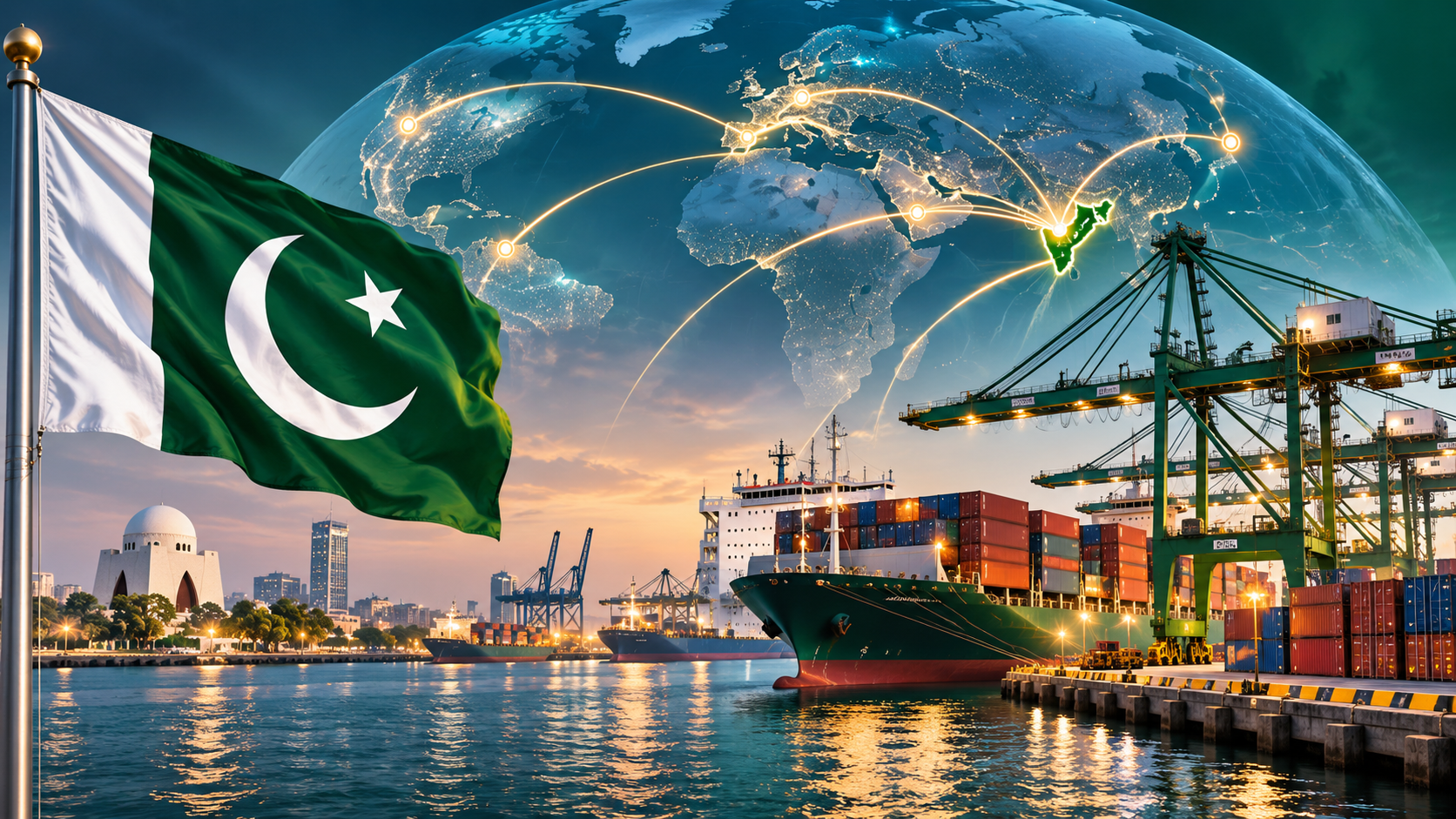
Pakistan’s strategic location provides access to several important markets. It shares borders with China, Afghanistan, Iran and India, while its Arabian Sea coastline offers maritime connections to the wider world.
The country’s major seaports, including Karachi Port and Port Qasim, support international trade by connecting domestic businesses with overseas customers and suppliers.
According to World Trade Organization data, Pakistan exported approximately $32.44 billion worth of merchandise in 2024, while merchandise imports totalled approximately $56.48 billion.
These figures demonstrate both Pakistan’s participation in international commerce and the challenge of balancing imports with export earnings.
Expanding higher-value exports remains important for strengthening the country’s external financial position.
China, the European Union and the United States: Important Trading Relationships
Pakistan maintains significant commercial relationships with several major economies.
China and Regional Connectivity
China is a major source of Pakistan’s imports and an important partner in infrastructure and industrial cooperation.
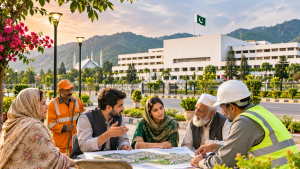
The China-Pakistan Economic Corridor (CPEC) has brought attention to projects involving transport, electricity generation and economic connectivity.
For Pakistan, the longer-term opportunity lies in using improved infrastructure to support manufacturing, logistics and export-oriented investment.
However, the economic benefits of infrastructure projects depend on factors such as project viability, debt management, industrial competitiveness and actual business activity.
European Union and Export Markets
The European Union is one of Pakistan’s most important merchandise export destinations.
WTO data shows that the EU accounted for approximately 27.6% of Pakistan’s merchandise exports in 2024.
Textiles and other manufactured products are particularly relevant to Pakistan’s export sector.
Maintaining access to international markets requires exporters to meet product quality, labour, environmental and regulatory standards.
Businesses that improve compliance and manufacturing efficiency may be better positioned to compete for international orders.
United States and Commercial Opportunities
The United States is another major destination for Pakistani exports.
According to WTO figures, it accounted for approximately 17.3% of Pakistan’s merchandise exports in 2024.
The commercial relationship creates opportunities for Pakistani manufacturers, service providers and businesses involved in international supply chains.
Future growth will depend on the ability of companies to diversify products, maintain quality and respond to changes in global demand.
Why Export Diversification Matters
Pakistan’s international trade has traditionally relied heavily on a relatively narrow range of products, including textiles, clothing and agricultural commodities.
These industries remain important sources of export revenue and employment.
However, dependence on a limited number of products can expose exporters to changing commodity prices, international competition and fluctuations in overseas consumer demand.
Diversification could create opportunities in areas such as:
- Information technology and software services
- Engineering and light manufacturing
- Processed agricultural products
- Pharmaceuticals and healthcare-related manufacturing
- Value-added textiles and specialised industrial products
Expanding into these sectors would require investment in skills, research, technology and production capacity.
The objective should be to increase the value Pakistan earns from its exports rather than relying exclusively on higher sales volumes.
The Growing Importance of Digital Services
International trade no longer depends solely on shipping physical goods.
Software development, digital consulting, information technology support and other services can reach international customers through online delivery.
For Pakistan’s young workforce, digital services may offer opportunities to participate in global markets without relying on traditional merchandise supply chains.
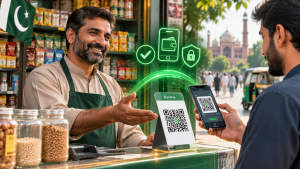
However, long-term growth in technology exports requires dependable internet connectivity, professional training, digital payment infrastructure and an environment that encourages investment.
Universities, training institutions and private businesses can play a role in developing the skills demanded by international clients.
Improving service quality and reliability will be essential for building lasting commercial relationships.
Trade Challenges Pakistan Must Address
Despite its opportunities, Pakistan faces several structural barriers to stronger international trade.
High Production and Energy Costs
Unpredictable energy costs and supply disruptions can make manufacturing more expensive and reduce the competitiveness of exporters.
Infrastructure and Logistics
Efficient roads, ports, customs procedures and freight services are important for moving goods quickly and reliably.
Delays can increase business costs and weaken delivery performance.
Regulatory and Policy Uncertainty
Businesses making long-term investments generally need predictable taxation, trade regulations and economic policies.
Frequent changes can complicate financial planning and discourage expansion.
Skills and Productivity
Modern export industries require qualified workers, technical expertise and access to productive equipment.
Improving workforce skills can help businesses compete on quality rather than price alone.
How International Partnerships Can Support Pakistan
Well-designed trade and investment partnerships can help Pakistan access new markets, attract technology and develop stronger industries.
However, the success of these relationships should be measured by practical outcomes.
Important measures include increased export earnings, productive private investment, employment creation and improvements in business competitiveness.
International partnerships are most valuable when they support domestic economic development rather than creating dependence on external financing alone.
Pakistan can also benefit from cooperation in climate resilience, education, scientific research and digital infrastructure, all of which influence long-term productivity.
What Lies Ahead for Pakistan’s Global Trade?
The World Bank has emphasised the importance of structural reforms, trade liberalisation, stronger investment and improvements in the business environment for Pakistan’s economic development.
These reforms could help businesses move towards higher-productivity activities and create more opportunities for the country’s expanding workforce.
Nevertheless, trade growth will depend on both international market conditions and domestic policy decisions.
A competitive export sector cannot be built through diplomacy alone. It requires sustained investment in human capital, reliable infrastructure, capable institutions and businesses prepared to compete internationally.