
When Does NASA’s Artemis II Moon Mission Launch?
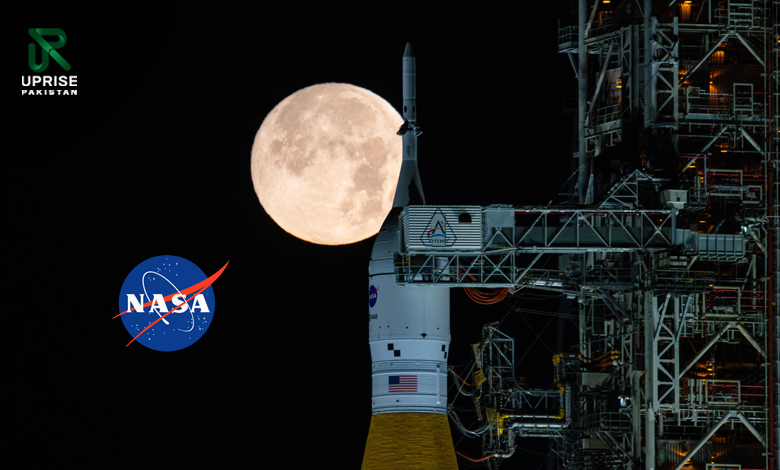
Everyone keeps asking the same clear question: when does Artemis II actually launch? Today, the most accurate answer is simple. The mission will lift off no earlier than March 2026, after engineers fix a liquid hydrogen leak found during fueling tests. Because safety leads every step, teams will only set a firm day after repairs and reviews. Meanwhile, the crew trains, and the rocket waits at Florida’s coast. This schedule may be adjusted due to weather or new data. Still, the target is an early-March window.
The Launch Window
As of February 4, 2026, officials target early March 2026 for liftoff. However, they will confirm the exact day after the repair tests. The fueling rehearsal found a hydrogen leak in the ground connections. Therefore, teams paused the February attempt and moved to March. Additionally, the window depends on Moon geometry and recovery weather. So, the plan is flexible but clear. Right now, the phrase “no earlier than March” is the baseline. For accuracy, rely on official updates from NASA. They post schedule notes and test results on the Artemis II page and mission blog.
Mission Basics: What Artemis II Will Do
Artemis II is a crewed trip around the Moon. It will not land. Instead, the crew will test deep-space systems and return. The flight lasts about ten days, depending on final targeting. Moreover, the Orion spacecraft will ride the Space Launch System rocket from Kennedy Space Center. After Earth orbit checks, Orion will head to the Moon on a free-return path. Then, gravity will help swing the crew home for a Pacific splashdown. This plan confirms life-support, navigation, and heat shield performance before a future landing mission. Consequently, Artemis II is the crucial bridge between uncrewed tests and later surface missions.
Why The Date Shifted: What Engineers Found
During a full fueling test, sensors flagged liquid hydrogen leaks. Because hydrogen is tiny and very cold, even small seal issues matter. Therefore, managers stood down from the February window. Now, engineers inspect quick-disconnect fittings, valves, and seals. Next, they will repeat checks and confirm readiness. Only then will leaders set a launch day. In fact, wet dress rehearsals exist to find problems on the ground, notably, past Artemis fueling work informed updates to procedures and hardware. Still, teams saw a fresh leak and acted.
Meet The Crew: The People Aboard Orion
Four astronauts will fly from Florida toward the Moon. Reid Wiseman will command the mission. Victor Glover will pilot Orion. Christina Koch and Jeremy Hansen will serve as mission specialists. Together, they represent NASA and the Canadian Space Agency. Their flight marks the first human journey toward the Moon in over fifty years. Additionally, the mission will test crew systems for future landings. Finally, their training focuses on procedures, communications, and emergency actions for deep space.
Safety Gateways Before Liftoff
- Fix and re-inspect the hydrogen leak points.
- Verify fueling procedures with updated seals and fittings.
- Review test data and sign flight certificates.
- Confirm range availability and tracking assets.
- Check recovery forces and weather in the Pacific.
- Align the launch window with Moon geometry.
Because each item protects the crew and vehicle, teams move step by step. Therefore, dates can be adjusted if any item needs work. This method reduces risk and supports mission success. Finally, leaders will confirm a firm day only after these checks are complete. Stay tuned to official channels for the green light.
How The Flight Unfolds: From Pad To Splashdown
SLS lifts Orion from Pad 39B. After Earth-orbit checks, Orion fires toward the Moon, swings past, then returns for skip-entry reentry and Pacific recovery operations.
Launch and Earth Orbit
First, the Space Launch System sends Orion to space. Then, the crew checks systems in Earth orbit.
Trip to the Moon
Next, Orion fires for the translunar injection. The spacecraft heads toward the Moon on a free-return path.
Flyby and Return
After the far-side pass, Orion aims home. Finally, a skip-entry brings the capsule to the Pacific. Recovery teams meet the crew for pickup. This profile tests guidance, life support, heat shield, and operations under real conditions. Consequently, Artemis II sets the stage for the first surface return in the program.
| Item | Current Detail | Source |
| Earliest launch month | March 2026 | NASA blog, mission page |
| Reason for shift | Liquid hydrogen leak in fueling test | NASA, Space.com |
| Mission length | About ten days | NASA mission page |
| Launch site | Launch Complex 39B, Florida | NASA mission page |
| Crew | Wiseman, Glover, Koch, Hansen | NASA crew page |
Reliable Updates: What To Track Now
Artemis II launch date, NASA moon mission, Orion spacecraft, Space Launch System, Kennedy Space Center, crewed lunar flyby, Artemis program timeline.
- Where to check: NASA Artemis II page and mission blog for schedule updates.
- Why March: Fueling test leak moved the earliest opportunity to early March.
- What changes next: Weather, repairs, and range availability can shift dates.
- Trust markers: Use official NASA notes and reputable space news.
Because facts matter, rely on primary sources first. Then, compare with independent reports. This approach supports clear, trustworthy updates without hype.
A Careful Step Toward Future Moon Landings
Artemis II will launch no earlier than March 2026, after repairs and reviews confirm readiness. Because hydrogen work demands care, the team will set a day only when the data says “go.” Until then, follow official NASA updates for the firm date and time. This crewed lunar flyby is a careful step toward future landings, and safety leads every choice along the way.


