
LHC Petition Filed To Hold Officials Accountable For Basant Deaths
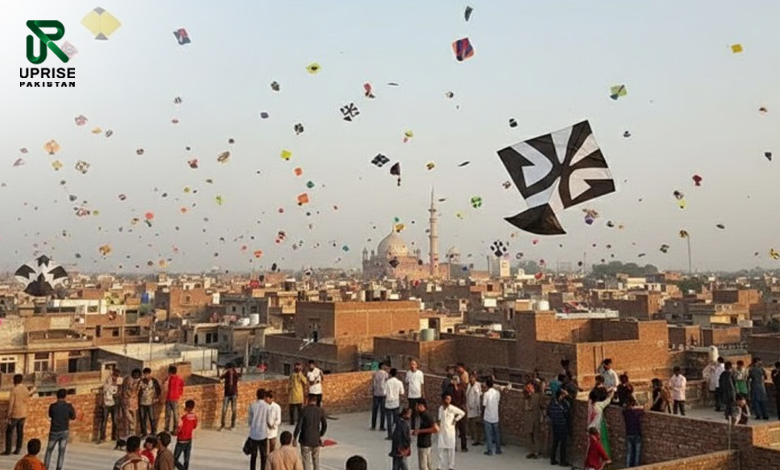
Lahore lit up with bright skies and louder rooftops. Families cheered as Basant returned after many years. But by night, hospitals filled up, and sirens sliced through the air. Reports listed six deaths and over a hundred injuries. Now, a new petition has been filed with the Lahore High Court seeking action. It demands accountability from officials who promised safety but, critics say, failed to deliver. As loved ones mourn, residents ask straightforward questions. Who enforced the rules? Who ignored warnings? And who is responsible for the loss? Because trust requires action. The case advances, and the city watches.
What The Petition Demands
The filing seeks clear, public steps. It asks the court to order criminal and departmental action. It cites official tallies of six deaths and 124 injuries. It also points to earlier court directions on safety. Therefore, petitioners seek to have the record set straight and the duties enforced.
- Criminal cases against responsible officers for alleged negligence.
- Departmental inquiries with written outcomes and timelines.
- A comprehensive casualty report from the Punjab Home Department.
- Public disclosure of enforcement logs during Basant days.
- Remedial plans should be in place before any future festivals proceed.
“Rules on paper mean nothing without action,” one public-interest lawyer argued outside court.
Casualties And Incidents
Reliable figures help cut through noise. The Punjab Home Department’s control room logged accidents and casualties during the first two festival days. Separately, multiple outlets reported the same death toll and similar injury counts. While totals may change as inquiries finish, the main picture stays consistent across reports. These numbers now support the legal case before the court and will guide any improvements officials need to make next time.
| Metric | Reported Figure | Source |
| Accidents (first two days) | 118 | Dawn. |
| Deaths | 6 | Dawn / Tribune. |
| Injuries | 112–124 | Dawn / Tribune. |
Safety Steps Promised, Gaps Exposed
Officials established rules before the festival. They banned metallic or chemical-coated string and added QR codes for traceability. They required registration of rooftop events and vendors. They also promoted the use of protective rods for motorcyclists. Businesses prepared, and citizens hoped the plan would succeed. However, critics say enforcement appeared inconsistent. After the deaths, petitioners argued that many measures remained only on paper. As a result, they now call for court-led oversight and public reporting. These requests do not oppose culture; instead, they aim for a safe celebration. Because when enforced, safe rules save lives.
- Bans on hazardous string and tracing via QR codes.
- Registrations for rooftops and seller lists.
- Motorbike safety rods across the city.
Legal Backdrop And Court History
Courts restricted Basant after fatalities from razor-sharp strings and rooftop falls. The Lahore High Court later allowed revival with strict safety orders, requiring enforcement reports, readiness, and accountability for officials.
Past Restrictions
Courts and governments limited Basant for years due to deaths and injuries. Prior rulings cited razor-sharp strings and falls from rooftops. Those orders shaped strict bans and tight controls.
This Year’s Directions
Before celebrations, the Lahore High Court ordered strict safety plans, medical camps, and hospital readiness. It also sought updates from key officials. These steps are aimed at preventing harm while allowing controlled festivity.
Why It Matters Now
Because casualties still occurred, petitioners argue that enforcement failed. Therefore, they ask the court to assign responsibility and demand corrective action before any future event. The case tests systems, not spirit.
Community Voices, Plain And Urgent
Residents want joy and safety together. A shopkeeper said, “We love Basant, but we need safe streets.” Parents asked officials to remove dangerous strings from markets. Doctors urged helmet use and rooftop barriers. Meanwhile, vendors welcomed the festival’s return but also asked for clearer rules. International coverage praised the colors but noted the risks, even amid economic growth for sellers. Therefore, a balanced policy is vital. Culture should thrive without tragedy. Better audits, faster response teams, and public dashboards can help. Above all, families want transparency now, not later. Their message is simple: protect lives first.
Economic Lift, Human Cost
The festival revived business for kite makers, food stalls, and hotels. Reuters reported billions of rupees in kite sales and strong demand across markets. Streets buzzed with visitors, and rooftops were filled with families. Yet, those gains came at a high human cost. Since losses affect the tone, even bright skies can seem dull. Petitioners argue that economics do not justify weak enforcement. Additionally, improved safety increases confidence and, over time, boosts commerce. If officials provide credible oversight, the city preserves both culture and livelihoods. If they do not, public trust diminishes further. Therefore, accountability supports both people and prosperity.
Accountability Builds Trust
Grief demands answers, not slogans. The petition asks the court to match words with action. It relies on official counts and previous orders. It also highlights clear steps that can save lives in the future. With transparent reports and firm enforcement, culture can thrive safely. Without these, harm returns and trust diminishes. Therefore, leaders must demonstrate results that families can see. Ultimately, accountability is not about celebration; it is about how a city protects joy and honors loss. Lahore deserves both. And the courts now hold the key to making it happen.


