
The Big Referendum Behind Bangladesh’s 2026 Election
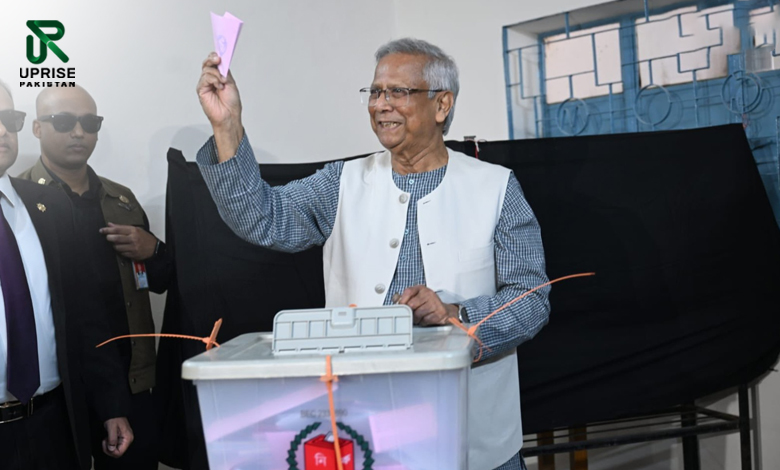
Voters in Bangladesh face a plain question this year. Should the country stay the course or change direction now? Families feel the rising prices each week. Young people want real jobs, not just hopes. Factory owners watch orders and power bills. Migrant workers send money that keeps shops open. So, this election reads like a referendum on daily life. It is about groceries, paychecks, and trust. Moreover, it weighs exports, remittances, and steady electricity. Each voter asks, “Will my life get better soon?” That is the heart of the choice.
Cost of Living Remains a Top Concern
Prices still bite into paychecks. The official inflation rate stood at about 8.6% in January 2026. Therefore, most households feel they have weaker purchasing power. Parents plan meals carefully and cut extras first. Transport and rent also squeeze budgets.
Additionally, small shops pass higher costs to customers. The Consumer Price Index rose to 142.77 points in January. That marks a step up from December levels. Consequently, voters want a believable path to lower prices. They also expect action without stalling growth. Clear, steady steps can rebuild confidence. However, confusing signals can shake trust. Thus, inflation control sits at the center of this vote.
Jobs, Skills, And The Youth Vote
Young Bangladeshis want work that matches their skills. Yet many graduates still struggle to find stable jobs. The World Bank’s latest profile shows youth unemployment at 11% in 2022. While dated, it guides today’s debate on training and hiring.
Therefore, parties must focus on apprenticeships and employer-led programs. They should also back small firms that create first jobs. Additionally, tech and services can spread opportunity beyond big cities. A student put it this way: “Give us skills that fit real jobs.” That desire feels urgent and fair. Because careers start slowly, momentum matters now, not later.
Power, Bills, And Daily Reliability
Families and factories need steady power to plan. Blackouts raise costs and kill shifts—moreover, higher bills strain tight budgets. Therefore, voters ask for practical fixes and honest data.
- Cut system losses and publish outage maps with timelines.
- Add renewables where costs are clear and stable.
- Protect low-income users with targeted, time-bound support.
- Disclose long-term fuel contracts and expected tariffs.
- Reward utilities that meet service standards each quarter.
Because electricity touches everything, progress here builds trust fast. However, promises without numbers feel weak. Consequently, measurable goals and public dashboards can show real delivery and keep plans on track.
Bangladesh’s Garment Upgrade
Bangladesh’s garment industry powers jobs and exports. Upgrading logistics, skills, compliance, and cleaner energy lifts value, steadies orders, cuts costs, and secures a resilient tomorrow.
Orders and Foreign Exchange
The garment sector anchors exports and jobs. In 2025, apparel shipments totaled about $38.8 billion, according to BGMEA. Therefore, stable orders support wages, rents, and tax revenue. Yet cost pressure and buyer standards keep rising.
Upgrading and Market Access
Factories want fewer outages, faster ports, and clear compliance rules. Additionally, moving into higher-value items can lift earnings per worker. Some trade openings help, but firms still need easier logistics and more skilled workers. Thus, a credible plan should tie training, finance, and infrastructure to export goals. When buyers see reliable delivery and greener power, orders follow. Otherwise, price-only competition will cap progress and limit incomes.
Remittances Keep Many Households Afloat
Millions rely on money sent from abroad. These flows support food, school fees, and small repairs. Bangladesh recorded about $32.8 billion in remittances in 2025, according to local media reporting based on central bank data. That cash also helps foreign-exchange reserves. Therefore, safe migration channels and lower transfer costs matter. Moreover, training workers for higher-paying roles overseas can increase the value of each dollar sent home. Banks can nudge senders toward cheaper, faster tools. Additionally, simple savings products help families smooth shocks. Because remittances cushion hard times, voters closely watch policies here. Clear steps can protect incomes and local demand.
Five Answers Voters Deserve
Voters want short, specific answers. Long lists do not impress. Therefore, candidates should cover the same basics with numbers and dates.
- Prices: target, tools, and timing for easing food inflation.
- Jobs: placements promised from training, not just enrollments.
- Power: outage hours to cut and by when.
- Exports: logistics fixes that speed shipments this year.
- Remittances: steps that lower fees and support migrants’ rights.
Because trust grows with delivery, progress reports should be monthly. Moreover, independent audits should confirm results. Finally, leaders must share setbacks early. That honesty keeps expectations real and reduces rumors.
The Real Test Behind the 2026 Election
This election feels like a national report card. It measures prices, jobs, power, exports, and trust. Moreover, it tests whether leaders can deliver steady, visible gains. Voters want simple plans with monthly proof. They also want fair help for those most hurt by inflation.
Additionally, they need lights on, ports moving, and skills in demand. The path is not easy. However, clear targets and honest updates can build belief. In the end, citizens will choose the plan that protects their kitchen table. That is the big referendum behind Bangladesh’s 2026 election—and the promise voters hope to secure.


