
BNP Leader Tarique Rahman Sworn In As Bangladesh Prime Minister
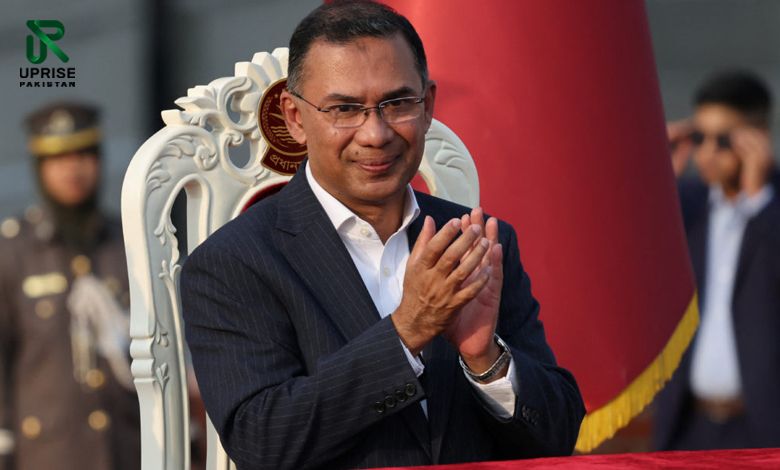
Bangladesh entered a new political era today as BNP leader Tarique Rahman became prime minister. The oath took place in Dhaka at the parliament’s South Plaza, not the usual official venue. People watched closely because this is the first election era after the 2024 uprising.
Many citizens feel hope, while others feel worry about stability. Rahman returned after years in London and now leads a large cabinet. The result also reshapes opposition politics, with Jamaat-e-Islami holding a large bloc.
The Oath Moment And The First Signals
Tarique Rahman administered the oath on February 17, 2026, at the National Parliament complex in Dhaka. The authorities organized the ceremony at the South Plaza, which made it seem more public. His government formed a 49-member cabinet with top BNP leaders and fresh faces. Reuters stated important positions, such as finance minister Amir Khasru Mahmud Chowdhury and foreign minister Khalilur Rahman. Delegations from abroad attended, which showed regional attention.
Who Is Tarique Rahman?
Tarique Rahman is the son of former leaders Khaleda Zia and Ziaur Rahman. Political role: He is the leader of the Bangladesh Nationalist Party and is currently the prime minister. Time away: He was in self-exile in London for around 17 years before he came back. Why it matters: His return is considered a revival of the BNP after years of being out of power. However, his opponents demand concrete evidence that he can rule the country justly. His story is relevant to contemporary Bangladesh because many people in the country want politics to be peaceful, the streets to be safe, and jobs to be stable.
Election Numbers That Explain The Mandate
Reports describe a clear BNP victory in the Bangladesh election 2026. The Guardian reported that the BNP won 212 of 300 elected seats, a two-thirds majority. AP described totals using the larger seat count that includes reserved seats for women. Voter turnout reached 59.44%, which signals real public participation after a tense period. Yet questions remain because the Awami League did not run after authorities barred it, according to AP. This mix of a strong win and missing players will shape trust in parliament.
Opposition Map And Pressure Points
The new parliament includes a strong opposition bloc, and that changes how debate may work. Reuters reported that Jamaat-e-Islami won 68 seats and will sit in opposition with the National Citizen Party. Still, Reuters also said opposition groups boycotted the swearing-in over a dispute tied to a proposed “Constitution Reform Council.”
Key pressure points include:
- Law and order concerns in cities and campuses.
- Disputes over constitutional reform timing and process.
- Managing secular and religious political balance in public life.
These issues can raise street tension if leaders fail to talk openly.
The Economy People Feel At The Market
The new government inherits an economy that many families find stressful. Official data cited by major outlets put inflation at 8.58% in January 2026. Food inflation stood at 8.29%, which hits daily meals first. Prices matter because they shape anger, not just budgets. Policymakers also watch currency stability and import costs. People often ask for quick relief, but fixes take time.
Two facts help frame the challenge:
- Inflation stayed above eight percent in January.
- Food prices rose faster than in December 2025.
This is why “Bangladesh economy” and “inflation in Bangladesh” will follow Rahman daily.
| Item | Verified detail | Source |
| Sworn in | February 17, 2026, at the parliament South Plaza | Reuters |
| Cabinet | 49 members sworn in | Reuters |
| Seat win | 212 of 300 elected seats | Guardian |
| Turnout | 59.44% | Guardian |
| Opposition | Jamaat-e-Islami won 68 seats | Reuters |
| Inflation | 8.58% in Jan 2026 | BBS via Daily Star |
A Mandate With Heavy Responsibility
Tarique Rahman began as the Bangladesh prime minister with a strong BNP majority and close public attention. That power can help pass laws fast, but it also raises expectations. People will judge his government on safety, fairness, and price control.
The opposition’s size means parliament can still face tough debate, especially on constitutional reform. Bangladesh also carries deep political wounds from the 2024 crisis, so calm leadership matters. If Rahman keeps institutions steady and listens to citizens, trust can grow. If he fails, anger may return quickly.


