
Death Of Ali Larijani Deepens Iran Leadership Crisis
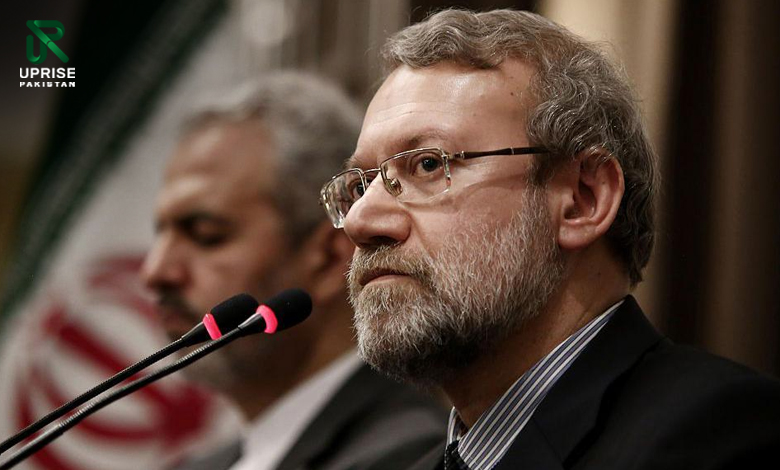
Ali Larijani’s death has shaken Iran’s top leadership at a dangerous time. Iranian officials confirmed he was killed in an airstrike near Tehran on March 16–17, 2026. Because Larijani ran Iran’s Supreme National Security Council, his loss hits the state’s core.
Many Iranians already felt fear and confusion after recent high-level deaths. So, this killing deepens the sense of a power vacuum. In addition, outside powers now test Iran’s limits in real time. As a result, many families worry about safety, prices, and the risk of wider war.
Why Larijani Mattered So Much
Larijani was not a minor official who stayed in the background. Instead, he shaped security policy, managed crisis talks, and guided hard decisions. He also served as parliament speaker for years, which gave him deep ties across factions. Because he worked in both politics and security, many leaders trusted him in tense moments. However, that same reach made him a major target.
Reuters described Larijani as a central “backroom” powerbroker with long influence in Iran’s system.
Meanwhile, the AP noted he had taken a leading role in running Iran during the crisis.
The Strike And What Iran Confirmed
Iranian sources and major news agencies reported that Larijani died in an airstrike in or near Tehran.
Reports also said the strike killed close associates, including family members, which increased public shock. Israel’s side publicly claimed a leadership targeting campaign, which raised the stakes further.
One detail stands out for readers in the U.S. as well. Even in a guarded state, attackers reached a top figure close to the center of power. That fact alone signals a deep security breach.
Leadership Crisis: How A Power Vacuum Grows
When a state loses key leaders quickly, decision-making often slows down. Then, rival groups compete to fill the gaps. In Iran, the Supreme National Security Council sits at the top of the decision-making process for security matters. So, Larijani’s death is likely to disrupt planning and coordination.
Also, different power centers may push different paths, including the military, clerical networks, and political insiders.
What Does This Mean For Everyday People
When leaders fight, normal life can get harder. For example:
- Mixed messages from officials can increase fear and rumors.
- Security crackdowns can expand when leaders feel threatened.
- Economic stress often grows during conflict, especially around oil routes.
| Person / Institution | Role linked to the crisis | Why it matters |
| Ali Larijani | Head of Iran’s top security body | His death widens the Iranian power vacuum |
| Supreme National Security Council | Core security decision forum | It drives wartime planning and internal security |
| Russia (Kremlin) | Major Iran partner | It condemned the killing and urged a ceasefire |
| Iran’s Foreign Ministry | Public diplomatic voice | It said the killing will not “destabilise” Iran |
International Reaction And The Human Cost
The global reaction came quickly and was blunt. Russia’s Kremlin spokesperson condemned the killing as an attack on sovereign leadership. He said Russia opposes actions meant to “eliminate leaders” of states. Meanwhile, Iran launched missiles after the reported assassinations, which raised fears of wider war.
The human cost already looks severe. One report described more than 2,000 casualties as the conflict expanded across the region. In another report, the AP said strikes and retaliation pushed deaths into the thousands, with heavy damage and displacement.
Larijani’s Death Exposes A Fragile Leadership
Ali Larijani’s death did more than remove a single official. Instead, it exposed deep stress inside Iran’s leadership system. Because he linked politics with security, his loss may slow decisions and sharpen rivalries.
At the same time, the Tehran airstrike signals that Iran’s inner circle is now reachable in war.
So, the Iranian leadership crisis feels less like a rumor and more like a turning point. For many families, that reality brings grief, fear, and uncertainty, all at once.


