
Artemis Crew Nears Moon After Record-Breaking Earth Journey
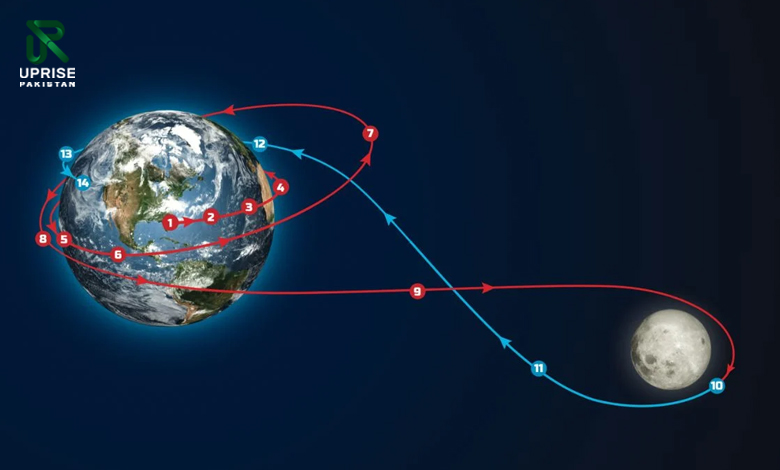
The Artemis II crew is almost at the Moon. They launched on April 1, 2026, and sped away from Earth. Now, their Orion spacecraft is lining up for a lunar flyby. Along the way, they reached a moment many people will remember. They passed the old “farthest humans” mark set during Apollo 13 in 1970. NASA says Orion will peak near 252,760 miles from Earth. That is about 4,105 miles farther than Apollo 13. So, families, classrooms, and space fans keep checking updates. Still, the crew stays focused on the next steps.
The Crew Inside Orion
Four astronauts ride in Orion: Reid Wiseman, Victor Glover, Christina Koch, and Jeremy Hansen. NASA calls Artemis II a 10-day crewed lunar flyby. So, they will not land on the Moon. Instead, they will loop around it and head back home. Meanwhile, they test life support, power, and daily routines far from Earth. Also, they practice the kind of teamwork future Moon crews will need.
The Farthest Humans Moment
Records can sound like trivia. However, this one links to real safety. Apollo 13 reached 248,655 miles from Earth during its emergency return. Now, Artemis II will go farther. NASA reports a peak distance of 252,760 miles from Earth. So, the crew will travel farther than any humans before.
This matters because:
- Orion must protect people far from a quick rescue.
- The team must manage air, water, and power carefully.
- Flight controllers must track Orion with high accuracy.
- The mission supports later Moon landing plans.
The Quiet Stretch Behind The Moon
Soon, Orion will slip behind the Moon’s far side. Then, the Moon will block radio signals to Earth. NASA says this blackout should last about 40 minutes. So, Mission Control will not hear the crew for a short time. Still, the crew will keep working and taking notes. Afterward, they will reconnect and confirm systems.
NASA explained it clearly:
“During this time, the Moon blocks the radio signals between the Deep Space Network and the spacecraft.”
Orion’s Safety Shield
Orion is small, but it is built for deep space. So, it carries backups and strong shielding. NASA uses this flight to test crew systems away from Earth.
Key safety pieces include:
- oxygen supply and air cleaning systems
- water and power controls
- radiation monitoring
- clear emergency steps and drills
Also, the crew checks these systems often. Therefore, they can spot small issues early.
Moon Views You Can’t See From Home
Most of us only see the Moon’s near side. But Orion will pass the far side, too. So, the crew will view terrain hidden from Earth. During the blackout, they can take photos and videos without live contact. After contact returns, they can share results with teams on the ground. Also, these views help experts compare maps and lighting.
| Time | What happens |
| 1:00 p.m. | Coverage of the lunar flyby begins. |
| 1:56 p.m. | The crew passes the Apollo 13 distance record. |
| 2:45 p.m. | A long lunar viewing period begins. |
| About 40 minutes | A planned blackout happens behind the Moon. |
Re-Entry Checks And Safe Landing
After the flyby, Orion will aim back toward Earth. Next, the crew will prepare for re-entry day. That part brings intense heat and strong forces. So, teams will watch the heat shield closely. Then, parachutes will slow the capsule before splashdown. After that, recovery crews will bring the astronauts aboard. Finally, mission teams will review data to improve later flights.
Why Artemis II Matters Beyond This Week
Artemis II does not land on the Moon. Yet, it moves the NASA Moon program forward in a big way. It tests the Space Launch System and Orion with people aboard. Also, it tests habits that keep crews steady and safe. So, each checklist item supports future missions. In the end, this flight shows careful work under pressure. And as Orion nears the Moon, many readers feel excited, hopeful, and proud.


