
Could Trump’s Latest Iran Threat Trigger A Bigger Conflict?
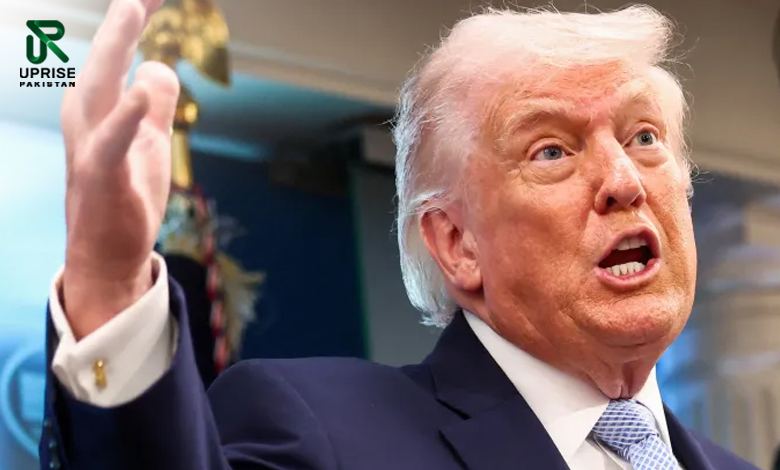
Donald Trump has issued a fresh warning to Iran, and it has people on edge. Many readers now ask one big question. Could Trump’s latest Iran threat trigger a bigger conflict? The short answer is yes, it could. However, it does not have to. Right now, the crisis centers on the Strait of Hormuz. That waterway helps move huge amounts of oil and gas. So, even small clashes can spread fear fast. Meanwhile, sharp words can narrow the path to talks. Also, moves at sea can lead to quick mistakes.
What Did Trump Threaten, And Why Now?
Trump set a clear deadline linked to the Strait of Hormuz reopening. Reports say he warned Iran to act by 8 p.m. Eastern time. He also used extreme language in public posts and remarks. In one widely shared line, he said a whole civilization would die “tonight.” That message matters because it signals urgency and intent. However, it also raises fear about wide attacks. Some legal experts argued that talk like this can sound like a threat to civilians.
Why Trump Issued the Threat:
- Pressure to reopen the Strait of Hormuz
- Message of strength through a hard deadline
- Warning against attacks on ships and trade
- Signal that military strikes are on the table
- Push for quick talks on U.S. terms
“A whole civilization will die tonight.”
Why The Strait Of Hormuz Turns Risk Into Panic
The Strait of Hormuz is not just a map detail. Instead, it is a global pressure point. The U.S. energy data shows that oil flow there averaged about 20 million barrels per day in 2024. That equals about 20% of global petroleum liquids consumption. So, when the Strait closes or feels unsafe, energy prices can jump. Then shipping costs can rise too. Also, families can feel it at the pump. Even if the U.S. buys less Gulf oil than before, markets still react to fear. In other words, the Strait of Hormuz can turn a regional clash into a global energy crisis.
How Retaliation Can Spiral Fast
Escalation often starts with one move that forces a response. One side hits a high-value target. Then the other side answers to show strength. Nearby states and groups may join in. Reports describe attacks and counterattacks around oil sites and shipping routes. That pattern matters because it can grow fast. Also, leaders may feel trapped by public deadlines. So they may choose force over talks.
Another risk involves civilian infrastructure. When leaders threaten bridges, power plants, or broad services, the human cost can climb. Even if armies aim at “military” systems, modern networks overlap. So mistakes can hit families, hospitals, and basic life needs.
| Factor | Why does it raise danger? |
| Strait of Hormuz scale | It moved about 20 million barrels per day in 2024. |
| Global share | That equals about 20% of global petroleum liquids use. |
| Public deadlines | Deadlines can push rushed choices on both sides. |
| Civilian infrastructure talk | Experts warned it can raise legal and moral alarms. |
| Economy fallout | Global leaders warned of higher inflation and slower growth. |
How Diplomacy Can Stop A Wider War?
A wider Middle East war is possible, yet it is not certain. However, leaders need space to step back. So, quiet diplomacy often matters more than speeches. Reports say mediators have pushed for ceasefire talks, even if talks stay indirect. Also, clear limits can reduce missteps. For example, leaders can define goals tied to shipping safety, not broad punishment. In addition, better crisis rules at sea can help. When ships, drones, and jets share tight space, clear signals save lives. Economic pressure can also push for restraint. The IMF leader warned that the conflict can slow growth and raise inflation. So, many governments have reasons to urge de-escalation.
How This Could Affect Life In The U.S
Tension with Iran can raise oil prices, which can push up gas, delivery fees, and grocery bills. It can also shake markets, affect savings, and increase stress for military families watching the situation.
- Higher Oil Prices Can Raise Daily Costs
This may feel far away, but it can hit home. If oil prices rise, gas costs can rise too. Then delivery costs can climb. As a result, stores may pay more to move goods. So, food prices can also go up when shipping costs jump.
- Market Stress Can Hit Savings and Inflation
When risk grows, markets can shake. That can affect retirement accounts and savings plans. Also, higher fuel and shipping costs can keep prices high. One big bank warned that the conflict could keep inflation sticky. So, families may feel pressure from both sides.
- Human Impact Feels Personal
Meanwhile, military families watch these moves with worry. They know a wider conflict can mean longer deployments. Also, they fear sudden changes with little notice. So, the stakes feel personal for many homes, even far from the region.
- Simple Signals to Watch in the Days Ahead
Still, you can track simple signals. Watch for changes in Strait of Hormuz access. If ships face new risks, prices can react fast. Next, watch for real ceasefire talks, even if they stay behind closed doors. Also, look for steady messages from leaders, not new deadlines.
Can Leaders Stop A Bigger War?
Trump’s latest Iran threat has raised the risk of a bigger U.S.-Iran conflict. However, the next choices matter more than the last words. Because the Strait of Hormuz links to global energy, fear can spread fast. So, leaders can still lower the temperature with diplomacy and clear limits. If threats grow and strikes widen, regional escalation may follow. Yet if talks take hold, a wider Middle East war may be avoided.


